
Top Stories
Alcohol Awareness: Unlocking Sobriety’s Benefits This January

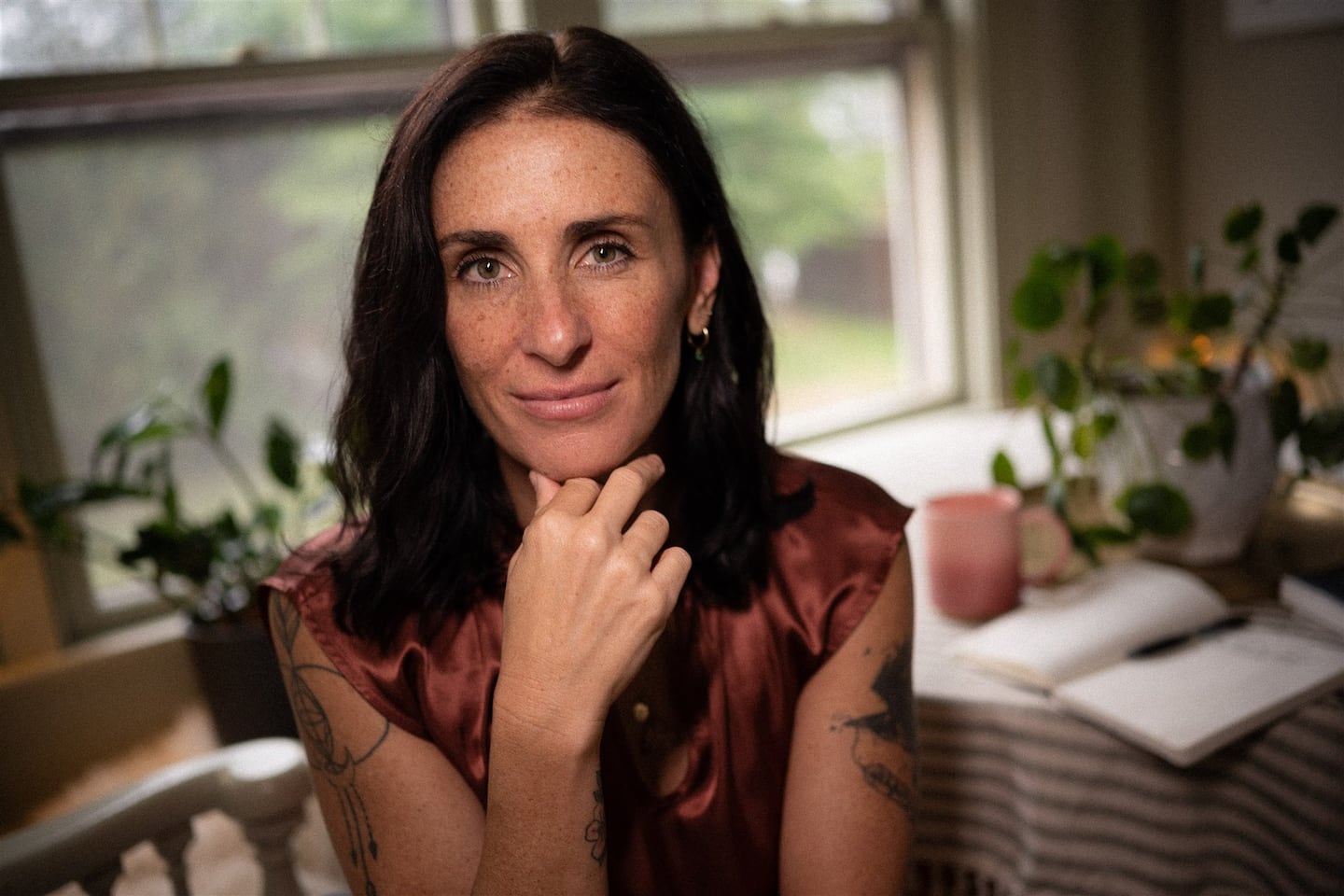
UPDATE: New insights reveal the pressing benefits of sobriety during Dry January, as the movement gains significant traction among U.S. adults. Following a holiday season of overindulgence, an alarming report shows that alcohol use is the third leading preventable cause of cancer in the United States, contributing to nearly 100,000 cancer cases and about 20,000 cancer deaths each year.
As the new year unfolds, many are seeking ways to reclaim their health and well-being. A groundbreaking study from Brown University indicates that individuals who abstain from alcohol for as little as a month report improved mood, better sleep, and increased energy. Yet, for some, the prospect of facing social situations sober can be daunting.
Laura McKowen, a renowned figure in the sobriety community and founder of The Luckiest Club, shares her journey and practical strategies for navigating social settings without alcohol. With over a decade of sobriety after a 2013 DUI, McKowen is an advocate for embracing life without the crutch of alcohol.
In a recent interview, McKowen emphasized that sobriety is becoming increasingly mainstream. A Gallup poll from August 2025 reveals that a record high 53 percent of U.S. adults now view moderate drinking as detrimental to health, a significant jump from 28 percent in 2015. “There’s not the stigma that there used to be about not drinking,” she states, highlighting a cultural shift towards healthier choices.
McKowen offers several strategies to ease the transition to sobriety, including replacing alcohol with flavorful nonalcoholic beverages that provide a satisfying experience without the negative effects. “You can order something that tastes really good and takes the edge off,” she advises.
Anticipating moments where one might typically reach for a drink is crucial. McKowen recommends planning ahead, such as opting for a nonalcoholic cocktail at gatherings. This proactive approach can mitigate feelings of discomfort and awkwardness that often accompany social situations. “Withstand a slight amount of discomfort,” she suggests, framing it as a muscle that can be developed over time.
Addressing the social performance pressure many feel, McKowen encourages honesty in conversations. Sharing feelings of anxiety or simply acknowledging one’s challenges can foster deeper connections. “The myth is that alcohol is the way to get there, but it’s just not true,” she asserts.
As individuals embark on their sober journeys, McKowen stresses the importance of community support. Engaging with others who share similar goals can bolster motivation and accountability. “If you want to be someone who doesn’t drink, you start hanging out with people who don’t drink,” she advises, likening sobriety to any other lifestyle change that benefits from a supportive network.
For those feeling apprehensive about sobriety, McKowen points out that the anticipation of discomfort often outweighs the reality. “Feelings actually don’t last that long when we allow ourselves to feel them,” she notes, encouraging individuals to embrace their emotions and explore healthier coping mechanisms.
As the movement for sobriety gains momentum this January, McKowen’s insights serve as a beacon of hope for many. With a focus on connection, self-awareness, and the benefits of embracing life without alcohol, she invites individuals to consider the transformative potential of sobriety.
The message is clear: as we step into the new year, the choice to prioritize health and well-being through sobriety is not just a personal journey; it is a collective movement towards a healthier future. Share this vital information with those who may benefit from these insights and join the growing community advocating for change.

Community Observers on Alert After Killing of Renee Good in Minneapolis

JPM Week 2026 Concludes with Insightful Discussions and Connections

Roger Federer Shines at Rod Laver Arena as Djokovic Cheers

EU Proposes €90 Billion Loan to Ukraine with Buy-European Clause

CPSC Revokes Accreditation of Four Chinese Labs Amid Safety Concerns

Director Denies ChatGPT Involvement in Stranger Things Finale

European Regulators Recommend 104 Drugs for 2025 Approval

Jonah Hill Stuns Fans with Bold Blonde Wig for New Role

Scientists Pinpoint Date of Historic Lahar from Mount Rainier

University of Hawaiʻi Joins $25.6M AI Initiative to Monitor Disasters

Interstellar Object 3I/ATLAS Emits Unprecedented Metal Alloy

Toledo City League Announces Hall of Fame Inductees for 2024

DOJ Seizes $15 Billion in Bitcoin from Major Crypto Fraud Network

Western Executives Confront Harsh Realities of China’s Manufacturing Edge

Sharp Launches Five New Aquos QLED 4K Ultra HD Smart TVs

Mutual Advisors LLC Increases Stake in SPDR Portfolio ETF

Celtics Coach Joe Mazzulla Dominates Local Media in Scrimmage

Community Unites for 7th Annual Walk to Raise Mental Health Awareness
-
Science2 months ago
University of Hawaiʻi Joins $25.6M AI Initiative to Monitor Disasters
-
 Science3 months ago
Interstellar Object 3I/ATLAS Emits Unprecedented Metal Alloy
-
 Lifestyle3 months ago
Toledo City League Announces Hall of Fame Inductees for 2024
-
 Business3 months ago
DOJ Seizes $15 Billion in Bitcoin from Major Crypto Fraud Network
-
 Science3 months ago
Western Executives Confront Harsh Realities of China’s Manufacturing Edge
-
 Top Stories3 months ago
Sharp Launches Five New Aquos QLED 4K Ultra HD Smart TVs
-
 Politics3 months ago
Mutual Advisors LLC Increases Stake in SPDR Portfolio ETF
-
 Sports3 months ago
Celtics Coach Joe Mazzulla Dominates Local Media in Scrimmage
-
 Health3 months ago
Community Unites for 7th Annual Walk to Raise Mental Health Awareness
-

 Politics3 months ago
Major Networks Reject Pentagon’s New Reporting Guidelines
-

 World3 months ago
INK Entertainment Launches Exclusive Sofia Pop-Up at Virgin Hotels
-

 Top Stories3 months ago
Microsoft Releases Urgent Windows 11 25H2 Update for All Users