
Top Stories
American Ranchers Urge Trump to Halt Argentine Beef Purchase

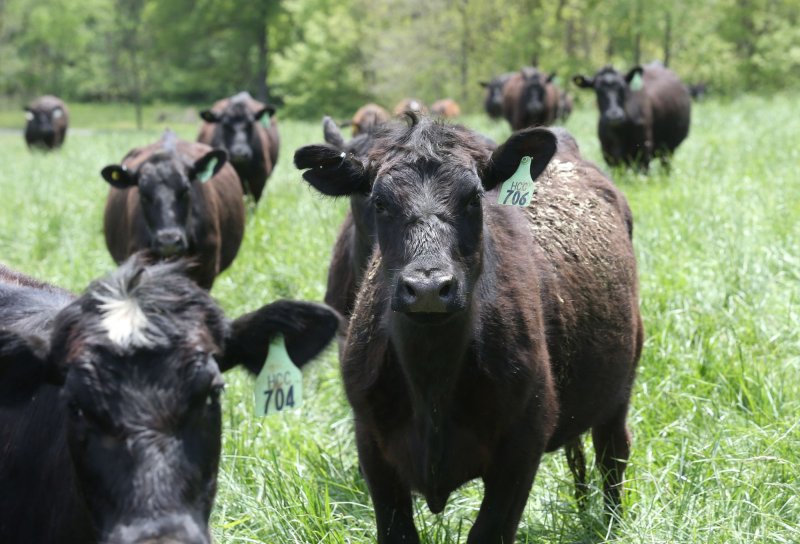
URGENT UPDATE: American cattle ranchers are intensifying their demands for the Trump administration to abandon plans to import beef from Argentina, escalating tensions between ranchers and the federal government. Earlier today, President Donald Trump indicated that purchasing beef from Argentina could help reduce soaring beef prices in U.S. grocery stores, a move ranchers argue would undermine domestic farmers.
President Trump, speaking on October 22, stated that the administration is considering importing beef from the South American nation to alleviate the burden on consumers, as beef prices in the United States have surged to record highs. However, ranchers have sharply criticized this plan, calling it misguided and detrimental to family-owned farms.
“The National Cattlemen’s Beef Association and its members cannot stand behind the President while he undercuts the future of family farmers and ranchers by importing Argentinian beef,”
said Colin Woodall, CEO of the association. He emphasized the need to let the cattle markets function without interference from imports.
According to the USDA’s Economic Research Service, the cost of beef in the U.S. has risen by 13.9% in August compared to last year and is projected to climb an additional 11.6% this year. The price surge has already sparked frustration among ranchers who feel sidelined in policy decisions affecting their livelihoods.
The rift began earlier this week when Trump revealed plans to import beef during a press briefing on Air Force One. This announcement came shortly after Argentina, under President Javier Milei, secured a $20 billion financial bailout agreement with the U.S., raising concerns among American farmers who are already struggling with the effects of Trump’s tariffs.
American ranchers are particularly upset that in 2022, Argentina exported over $801 million worth of beef to the U.S., while American beef sales to Argentina totaled only about $7 million. The perception that foreign beef could flood the market has raised alarms about the future of American ranching.
In response to the backlash, Trump claimed that U.S. cattle ranchers do not recognize that his tariffs are the reason they are currently thriving, stating, “If it weren’t for me, they would be doing just as they’ve done for the past 20 years — Terrible!” He stressed the importance of bringing prices down for consumers as a key factor in his decision-making.
Amid the growing controversy, the USDA announced a series of initiatives aimed at promoting and protecting American beef through a voluntary Country of Origin Labeling program. However, ranchers quickly dismissed these measures as insufficient. The nonpartisan agricultural watchdog, Farm Action, is urging the administration to implement mandatory country of origin labeling and investigate the market practices of the four major meatpackers, which they argue manipulate beef prices.
“Ranchers need support to rebuild their herds — that’s how we truly increase beef supply and lower prices long-term,”
Farm Action stated. They criticized current policies, stating they favor foreign competitors and corporate monopolies over American farmers.
Demanding immediate action, Wyoming’s Meriwether Farms called on Trump to utilize his executive powers to enforce mandatory country of origin labeling, expressing dissatisfaction with the USDA’s recent announcements. “This is not good enough,” the farm stated, amplifying ranchers’ call for more robust protections against foreign imports.
As tensions mount, the future of American ranching hangs in the balance. Ranchers insist on urgent changes that could reshape the market landscape. The situation remains fluid, and all eyes are on the administration’s next moves as they grapple with the pressures from both domestic producers and international trade relationships.

Winter Weather Advisory Issued for South Central PA – Up to 3 Inches Expected

ECB Confirms Interest Rates Remain Steady Ahead of Year-End

Rolette Record Transitions to New Ownership in Cando Deal

Reverend Thomas Perry Resigns Amid Controversy Over Conduct

University of Arizona Researchers Discover Key to Preventing Scar Tissue

Missouri Sports Betting Launches Amid Ongoing Scandals

Four Arrested in Australia for Alleged International Child Abuse Ring

Rolette Record Sold to Cando Men: Major Change in Local Media

Marsh & McLennan Faces Challenges as Stock Underperforms Financial Sector

University of Hawaiʻi Joins $25.6M AI Initiative to Monitor Disasters

Toledo City League Announces Hall of Fame Inductees for 2024

DOJ Seizes $15 Billion in Bitcoin from Major Crypto Fraud Network

Sharp Launches Five New Aquos QLED 4K Ultra HD Smart TVs

Celtics Coach Joe Mazzulla Dominates Local Media in Scrimmage

Community Unites for 7th Annual Walk to Raise Mental Health Awareness

Mutual Advisors LLC Increases Stake in SPDR Portfolio ETF

Western Executives Confront Harsh Realities of China’s Manufacturing Edge

INK Entertainment Launches Exclusive Sofia Pop-Up at Virgin Hotels
-
Science4 weeks ago
University of Hawaiʻi Joins $25.6M AI Initiative to Monitor Disasters
-
 Lifestyle2 months ago
Toledo City League Announces Hall of Fame Inductees for 2024
-
 Business2 months ago
DOJ Seizes $15 Billion in Bitcoin from Major Crypto Fraud Network
-
 Top Stories2 months ago
Sharp Launches Five New Aquos QLED 4K Ultra HD Smart TVs
-
 Sports2 months ago
Celtics Coach Joe Mazzulla Dominates Local Media in Scrimmage
-
 Health2 months ago
Community Unites for 7th Annual Walk to Raise Mental Health Awareness
-
 Politics2 months ago
Mutual Advisors LLC Increases Stake in SPDR Portfolio ETF
-
 Science2 months ago
Western Executives Confront Harsh Realities of China’s Manufacturing Edge
-
 World2 months ago
INK Entertainment Launches Exclusive Sofia Pop-Up at Virgin Hotels
-
 Politics2 months ago
Major Networks Reject Pentagon’s New Reporting Guidelines
-

 Science1 month ago
Astronomers Discover Twin Cosmic Rings Dwarfing Galaxies
-

 Top Stories1 month ago
Randi Mahomes Launches Game Day Clothing Line with Chiefs