
Top Stories
Black Tuesday: 1929 Stock Market Crash Still Resonates Today

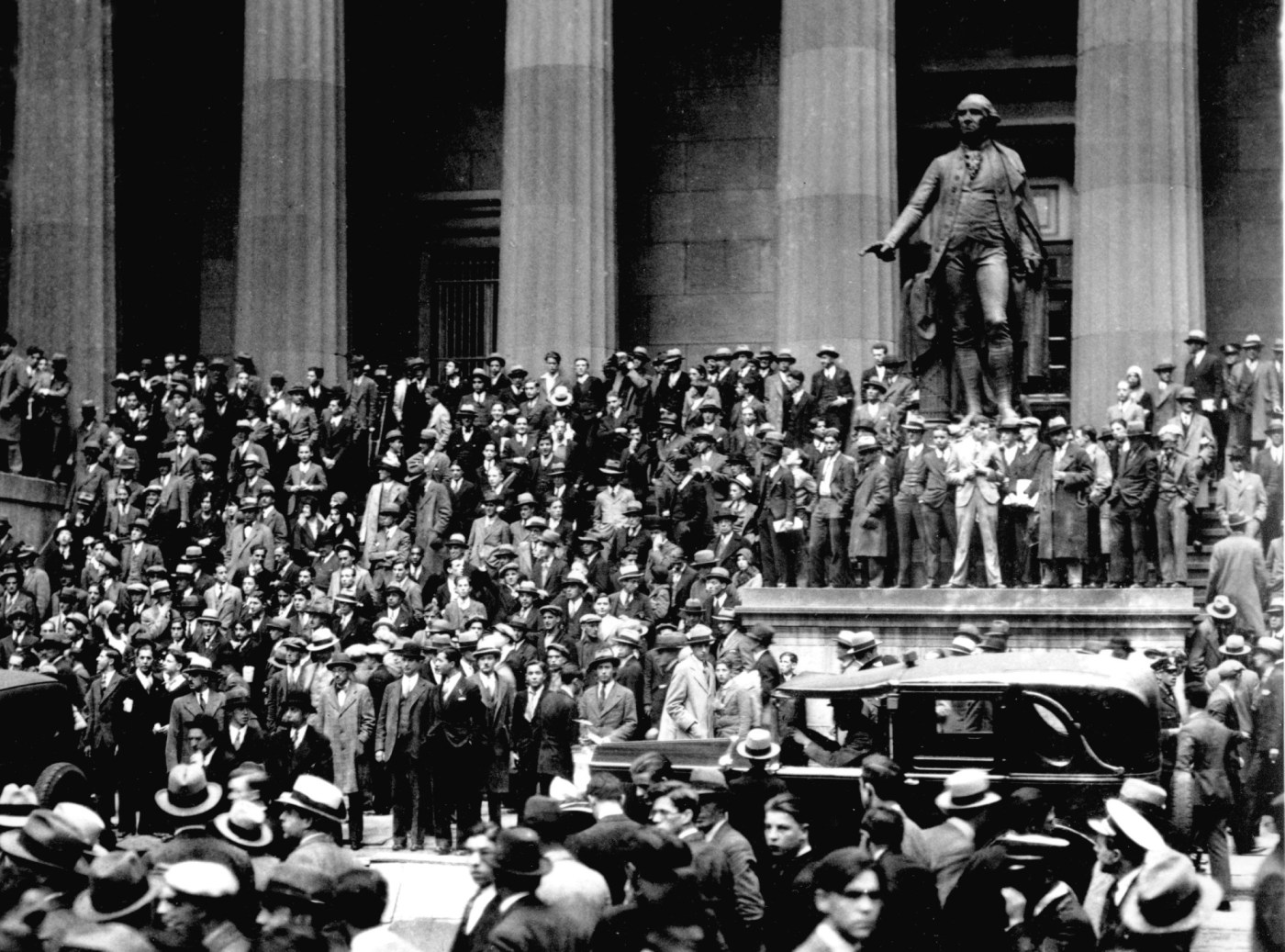
UPDATE: Today marks the 96th anniversary of Black Tuesday, the catastrophic stock market crash that heralded the onset of America’s Great Depression on October 29, 1929. On this day, panic gripped the New York Stock Exchange, resulting in a staggering loss of $14 billion in market value, devastating thousands of investors and reshaping the American economy.
This historic collapse serves as a sobering reminder of the volatility of financial markets and the profound impact economic crises can have on society. The events of Black Tuesday are relevant today as markets grapple with ongoing uncertainties, raising concerns about potential economic downturns in our current climate.
In addition to the stock market crash, other significant events occurred on this date throughout history. On October 29, 1618, Sir Walter Raleigh was executed in London, accused of conspiring against King James I. This historic moment underscores the intersection of power and treachery that has shaped political landscapes over centuries.
Further illustrating the weight of October 29 in history, on this day in 1922, Benito Mussolini was appointed Italian prime minister, a pivotal moment that would lead to the establishment of fascism in Italy.
In a tragic turn of events, on October 29, 1960, a chartered plane carrying the California Polytechnic State University football team crashed in Toledo, Ohio, resulting in the deaths of 22 out of 48 people on board. This disaster is a reminder of the vulnerabilities inherent in air travel.
The date has also been marred by natural disasters. In 2012, Superstorm Sandy struck New Jersey, causing extensive damage and resulting in at least 182 deaths across the United States. The storm’s aftermath highlights the ongoing vulnerabilities communities face against climate-related catastrophes.
More recently, October 29 has seen tragic events such as the 2022 crowd crush in Seoul during Halloween festivities, which resulted in over 150 deaths and numerous injuries. This incident underscores the importance of crowd management and safety protocols during large gatherings.
In a significant political development, on October 29, 2024, Hezbollah announced the appointment of cleric Naim Kassem as its new leader following the death of its longtime leader Hassan Nasrallah in an Israeli airstrike. This leadership change could have far-reaching implications for regional stability and security.
As we reflect on this day in history, it serves as a critical reminder of the fragility of economic and social systems. Understanding these impactful events allows us to better navigate the challenges we face today.
Stay informed as we continue to monitor the lessons of the past and their implications for our future.

Urgent Warning: Jim Chanos Sounds Alarm on Nvidia’s Debt Risks

Sister Offers to Buy Brother’s Home Amid Financial Crisis

Police Arrest 67-Year-Old Santa for Alleged Child Abuse in Brazil

Urgent: Apple TV’s Cyber Monday Deal Slashes Prices Over 50%!

Astronomers Assess First-Ever Planetary Defense Test with 2024 YR4

Siblings Shine in Macy’s Thanksgiving Day Parade in NYC

U.S.-Wanted Fentanyl Kingpin Killed in Mexican Military Operation

Investors Urged to Rethink Bond Strategies in Changing Market

‘Zootopia 2’ Dominates Thanksgiving Weekend Box Office

University of Hawaiʻi Joins $25.6M AI Initiative to Monitor Disasters

Toledo City League Announces Hall of Fame Inductees for 2024

DOJ Seizes $15 Billion in Bitcoin from Major Crypto Fraud Network

Sharp Launches Five New Aquos QLED 4K Ultra HD Smart TVs

Celtics Coach Joe Mazzulla Dominates Local Media in Scrimmage

Community Unites for 7th Annual Walk to Raise Mental Health Awareness

Mutual Advisors LLC Increases Stake in SPDR Portfolio ETF

Western Executives Confront Harsh Realities of China’s Manufacturing Edge

INK Entertainment Launches Exclusive Sofia Pop-Up at Virgin Hotels
-
Science4 weeks ago
University of Hawaiʻi Joins $25.6M AI Initiative to Monitor Disasters
-
 Lifestyle2 months ago
Toledo City League Announces Hall of Fame Inductees for 2024
-
 Business2 months ago
DOJ Seizes $15 Billion in Bitcoin from Major Crypto Fraud Network
-
 Top Stories2 months ago
Sharp Launches Five New Aquos QLED 4K Ultra HD Smart TVs
-
 Sports2 months ago
Celtics Coach Joe Mazzulla Dominates Local Media in Scrimmage
-
 Health2 months ago
Community Unites for 7th Annual Walk to Raise Mental Health Awareness
-
 Politics2 months ago
Mutual Advisors LLC Increases Stake in SPDR Portfolio ETF
-
 Science2 months ago
Western Executives Confront Harsh Realities of China’s Manufacturing Edge
-
 World2 months ago
INK Entertainment Launches Exclusive Sofia Pop-Up at Virgin Hotels
-

 Politics2 months ago
Major Networks Reject Pentagon’s New Reporting Guidelines
-

 Science1 month ago
Astronomers Discover Twin Cosmic Rings Dwarfing Galaxies
-

 Top Stories1 month ago
Randi Mahomes Launches Game Day Clothing Line with Chiefs