
Top Stories
Boulder City Council Bans Gray Water Use for Two Years

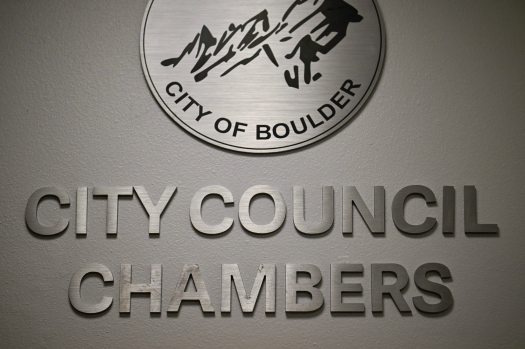
UPDATE: The Boulder City Council has just enacted a two-year ban on the use of gray water through the city’s water utility. This urgent decision aims to align with a new state law that will take effect next year, permitting gray water systems in new construction but allowing municipalities to opt out.
Gray water, which is recycled water from sinks, showers, and appliances, can be repurposed for irrigation, making it an essential tool for water conservation. However, city officials determined that a temporary halt is necessary to comply with state regulations. The ban places Boulder in a complex position as it balances conservation efforts against legal requirements.
City staffers have indicated that establishing a comprehensive gray water system within Boulder will be a lengthy process. It will require the development of new regulations, a permitting process, and inspections to prevent any risk of contamination in the drinking water supply. This includes tasks like implementing backflow prevention surveys and maintaining an approved systems database.
A typical gray water system, such as a laundry-to-landscape setup, connects washing machines to irrigation systems, facilitating water reuse. However, the memo from city officials emphasizes that implementing such systems will take a minimum of two years and necessitate additional staffing.
The city’s decision to ban gray water use has sparked significant discussion. Some conservation advocates argue that now is the time to embrace gray water systems as a vital part of sustainability efforts. In a memo, Planning Board Chair Mark McIntyre criticized the ordinance as overly broad, stating it “criminalizes behavior that actually helps us reach our sustainability goals.” He urged for more nuanced discussions and stakeholder engagement before moving forward.
While a CU Boulder project demonstrated the potential of gray water reuse from the Williams Village dormitory between 2013-2023, the results were not as impactful as anticipated, further complicating the conversation around gray water systems in Boulder.
Residents and stakeholders are now left wondering how this decision will affect future water conservation efforts in the city. The council’s approach to engaging the public on this issue has already faced scrutiny, with many calling for improved outreach and clarity in the proposed regulations.
What’s Next: As the city prepares to implement this ban, stakeholders and residents are encouraged to stay informed about upcoming public engagement sessions. The council will need to navigate these discussions carefully to ensure that any future gray water initiatives align with both state laws and community sustainability goals.
This developing story is crucial for Boulder residents, as the implications of this ban could significantly impact water conservation strategies and community engagement in the months to come. Stay tuned for further updates on this urgent matter.

Trump’s Urgent Plea Signals GOP Struggles in Key Tennessee Race

International Joint Commission Advances Elk-Kootenai/y Water Study

Is TikTok’s ‘Internal Shower’ Drink Safe for Consumption?

Court Disqualifies Alina Habba as New Jersey’s Top Federal Prosecutor

Trump Meets National Security Team Amid Drug Strike Controversy

Innovative Magnetic Microcatheters Transform Reproductive Medicine

Dolphins Remain in Playoff Hunt After Narrow Win Against Saints

Hedge Funds Surge: Citadel, Balyasny, ExodusPoint Report Gains

Broomfield Police Urgently Seek Toy Donations by Dec. 11

University of Hawaiʻi Joins $25.6M AI Initiative to Monitor Disasters

Toledo City League Announces Hall of Fame Inductees for 2024

DOJ Seizes $15 Billion in Bitcoin from Major Crypto Fraud Network

Sharp Launches Five New Aquos QLED 4K Ultra HD Smart TVs

Celtics Coach Joe Mazzulla Dominates Local Media in Scrimmage

Community Unites for 7th Annual Walk to Raise Mental Health Awareness

Mutual Advisors LLC Increases Stake in SPDR Portfolio ETF

Western Executives Confront Harsh Realities of China’s Manufacturing Edge

INK Entertainment Launches Exclusive Sofia Pop-Up at Virgin Hotels
-
Science4 weeks ago
University of Hawaiʻi Joins $25.6M AI Initiative to Monitor Disasters
-
 Lifestyle2 months ago
Toledo City League Announces Hall of Fame Inductees for 2024
-
 Business2 months ago
DOJ Seizes $15 Billion in Bitcoin from Major Crypto Fraud Network
-
 Top Stories2 months ago
Sharp Launches Five New Aquos QLED 4K Ultra HD Smart TVs
-
 Sports2 months ago
Celtics Coach Joe Mazzulla Dominates Local Media in Scrimmage
-
 Health2 months ago
Community Unites for 7th Annual Walk to Raise Mental Health Awareness
-
 Politics2 months ago
Mutual Advisors LLC Increases Stake in SPDR Portfolio ETF
-
 Science2 months ago
Western Executives Confront Harsh Realities of China’s Manufacturing Edge
-
 World2 months ago
INK Entertainment Launches Exclusive Sofia Pop-Up at Virgin Hotels
-

 Politics2 months ago
Major Networks Reject Pentagon’s New Reporting Guidelines
-

 Science1 month ago
Astronomers Discover Twin Cosmic Rings Dwarfing Galaxies
-

 Top Stories1 month ago
Randi Mahomes Launches Game Day Clothing Line with Chiefs