
Top Stories
Credit Card Surcharges Surge: 34% of Merchants Now Charge Fees

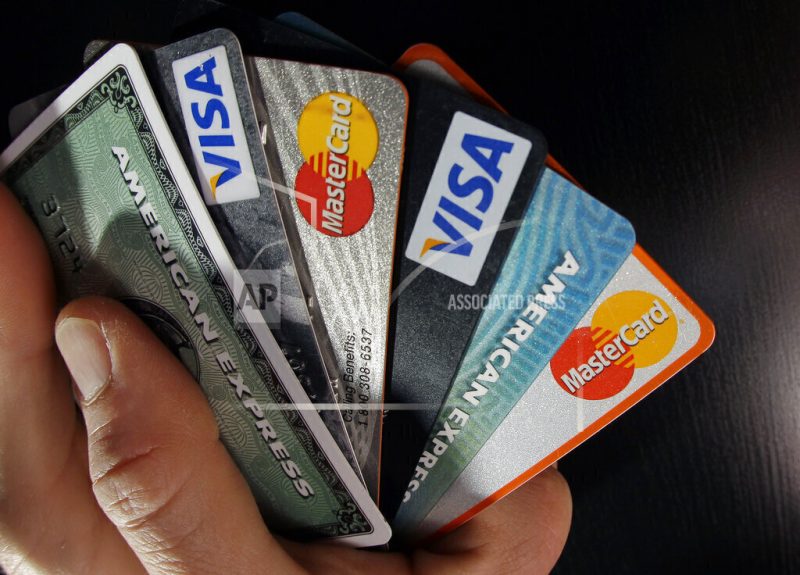
URGENT UPDATE: A recent surge in credit card surcharges is reshaping how consumers pay for their meals. According to new data from J.D. Power, as of 2025, a staggering 34% of merchants now impose fees on credit card transactions, up from just 20% a year earlier. This shift is becoming a pressing concern for consumers who rely on credit card rewards.
With the average surcharge hovering around 3%, many diners are now facing a tough choice at the register: pay the fee or forgo the rewards they’ve come to expect. One recent Reddit discussion highlighted the growing frustration, asking, “Since when did 3% CC fees at restaurants become the new normal?”
Why This Matters NOW: The cost of accepting credit cards has skyrocketed, leading businesses to pass these expenses onto customers. In 2022, U.S. businesses incurred over $160 billion in interchange fees, which are charged by credit card companies like Visa, Mastercard, American Express, and Discover. As a result, merchants are increasingly relying on surcharges to offset these costs, leaving consumers feeling the pinch.
The ongoing debate pits credit card companies against merchants. While credit card firms argue that interchange fees are a necessary business expense, merchants contend that these costs are becoming untenable. As Don Apgar, director of merchant payments at Javelin Strategy & Research, notes, “We’re approaching a tipping point where consumers are actively saying they won’t pay the surcharge.”
Context: The trend towards surcharging has accelerated since the COVID-19 pandemic, which normalized additional fees and charges across various sectors. As restaurants and other businesses struggled to survive, many began adding surcharges to help cover their costs. This practice, once rare, is now becoming standard in many establishments.
What to Watch For: As consumers grapple with their payment choices, lawmakers are also taking notice. The Credit Card Competition Act was introduced in Congress in 2022 to promote competition in the credit card payment network market, potentially aiming to lower costs for merchants. Though the bill has yet to pass, it highlights growing legislative interest in this issue.
Your Options: If faced with a surcharge, consider paying with cash, a check, or a debit card to avoid the fee. Research from J.D. Power indicates that 41% of credit card users have opted out of using cards due to surcharges. If you choose to pay with a credit card, select one that offers rewards exceeding the surcharge. For example, a card providing 3% cash back on dining could offset the surcharge, making it a viable option.
Additionally, consider stacking your rewards by using a cash-back app or card-linked offers, especially at chain restaurants and local eateries. If you suspect a restaurant is illegally charging a surcharge, you can file a complaint with your card issuer, the Better Business Bureau, or your state’s attorney general.
In a world where dining out is increasingly influenced by payment processing fees, consumers must navigate these challenges while enjoying their meals. The balance between rewards and surcharges will shape the future of dining experiences across the country.
Stay informed on this developing issue as it unfolds, and be prepared to adjust your payment strategies accordingly.

Microsoft Faces Major Windows 11 Crisis as Core Features Fail

Kino Lorber Acquires North American Rights to ‘The Currents’

UGG Offers Historic Discounts on Tasman II Slippers for Cyber Monday

Organizing Committee for 2034 Olympics to Meet Monday Morning

Whitney Leavitt to Star as Roxie Hart in Chicago on Broadway

Berlin Patient Achieves HIV Remission After Cancer Treatment

BTS Duo Jimin and Jung Kook Return with Season Two of ‘Are You Sure?!’

Cory Booker Ties the Knot Amid 2028 Presidential Ambitions

Thieves Steal from Firefighters Battling Deadly Blaze in Philly

University of Hawaiʻi Joins $25.6M AI Initiative to Monitor Disasters

Toledo City League Announces Hall of Fame Inductees for 2024

DOJ Seizes $15 Billion in Bitcoin from Major Crypto Fraud Network

Sharp Launches Five New Aquos QLED 4K Ultra HD Smart TVs

Celtics Coach Joe Mazzulla Dominates Local Media in Scrimmage

Mutual Advisors LLC Increases Stake in SPDR Portfolio ETF

Community Unites for 7th Annual Walk to Raise Mental Health Awareness

Western Executives Confront Harsh Realities of China’s Manufacturing Edge

INK Entertainment Launches Exclusive Sofia Pop-Up at Virgin Hotels
-
Science4 weeks ago
University of Hawaiʻi Joins $25.6M AI Initiative to Monitor Disasters
-
 Lifestyle2 months ago
Toledo City League Announces Hall of Fame Inductees for 2024
-
 Business2 months ago
DOJ Seizes $15 Billion in Bitcoin from Major Crypto Fraud Network
-
 Top Stories2 months ago
Sharp Launches Five New Aquos QLED 4K Ultra HD Smart TVs
-
 Sports2 months ago
Celtics Coach Joe Mazzulla Dominates Local Media in Scrimmage
-
 Politics2 months ago
Mutual Advisors LLC Increases Stake in SPDR Portfolio ETF
-
 Health2 months ago
Community Unites for 7th Annual Walk to Raise Mental Health Awareness
-
 Science2 months ago
Western Executives Confront Harsh Realities of China’s Manufacturing Edge
-
 World2 months ago
INK Entertainment Launches Exclusive Sofia Pop-Up at Virgin Hotels
-

 Politics2 months ago
Major Networks Reject Pentagon’s New Reporting Guidelines
-

 Science1 month ago
Astronomers Discover Twin Cosmic Rings Dwarfing Galaxies
-

 Top Stories1 month ago
Randi Mahomes Launches Game Day Clothing Line with Chiefs