
Top Stories
Elderly Crankiness Sparks Debate: Are Seniors Really Nasty?

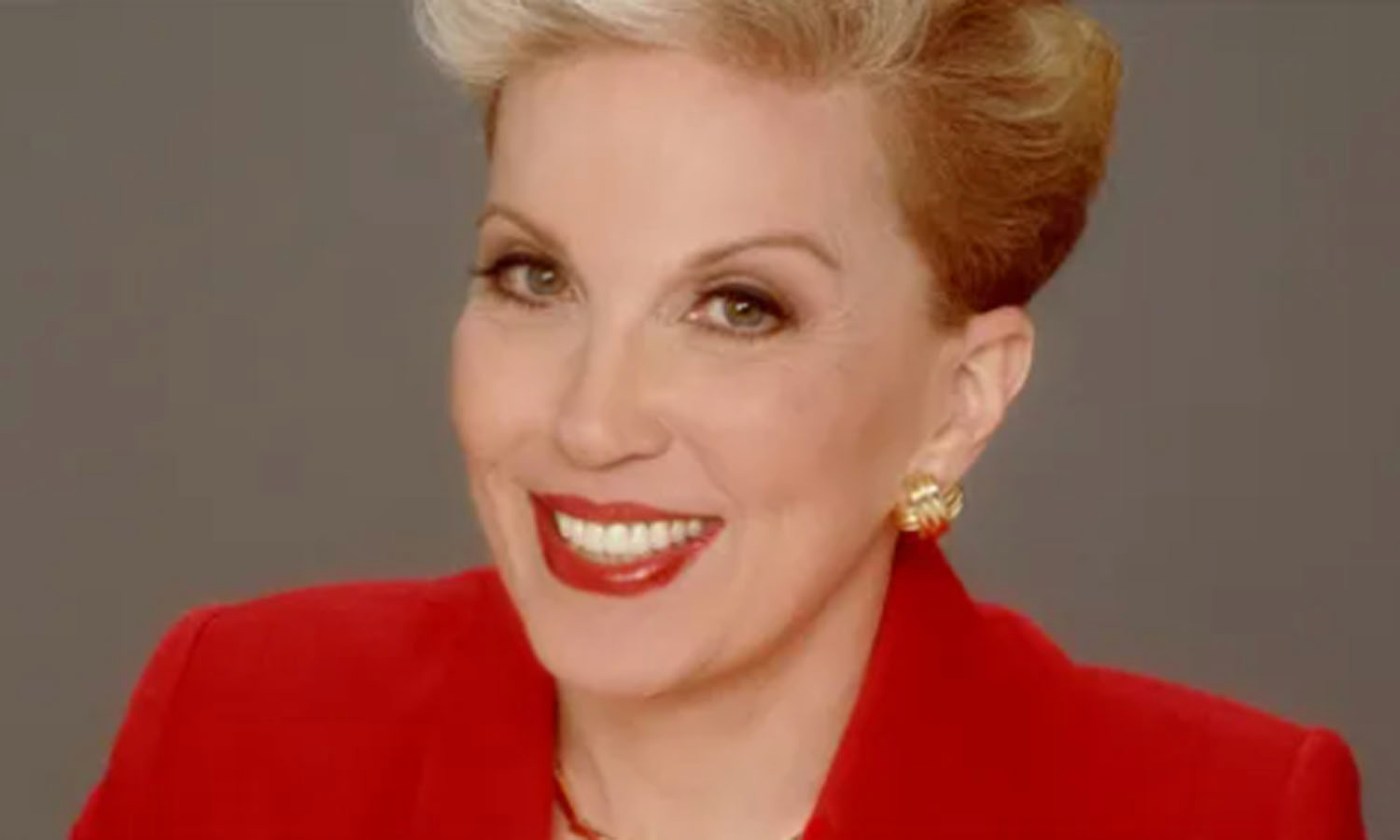
UPDATE: A recent letter to Dear Abby has ignited a heated discussion on seniors’ behavior, questioning why some elderly individuals appear cranky. The letter, penned by a concerned neighbor from New Jersey, highlights her frustrations with an 80-year-old neighbor who has become increasingly irritable.
In her letter, the neighbor expresses her dismay after borrowing $40 from the elderly woman, only to return it two days later instead of the promised 24 hours. The neighbor describes how the senior’s reaction was one of anger and concern, prompting her to wonder about the general demeanor of older individuals.
This situation resonates with many, as it raises urgent questions about how societal perceptions of aging and loneliness impact behavior. The neighbor reflects on her late mother, who died at 89 and was never described as cranky, leading to a broader discussion about the emotional well-being of seniors.
“Stop blaming all seniors for the way one of them reacted when you didn’t keep your word,” advises Abby, emphasizing that understanding and compassion can foster better relationships with older adults.
Meanwhile, another letter from a reader in Pennsylvania highlights a different but equally pressing issue: navigating friendships with those who lack social awareness. This middle-aged adult feels drained by interactions with friends who disregard her feelings and boundaries, particularly during sensitive times such as mourning.
As the weekend approaches, readers are reminded that Daylight Saving Time ends at 2 a.m. Sunday. Abby urges everyone to turn back their clocks and check their smoke detectors, emphasizing the importance of safety in the home.
The discussions sparked by these letters are not just trivial matters; they reflect underlying societal issues regarding aging, mental health, and interpersonal relationships. As communities strive to support their elderly populations, understanding the root causes of crankiness—like isolation and unmet expectations—becomes crucial.
What’s next? Readers are encouraged to consider their interactions with seniors and to approach these relationships with empathy. As the dialogue continues, it’s clear that fostering understanding may help diminish the perceived crankiness attributed to aging individuals.
For more insights and advice, contact Dear Abby at www.DearAbby.com or via mail at P.O. Box 69440, Los Angeles, CA 90069.

Kino Lorber Acquires North American Rights to ‘The Currents’

UGG Offers Historic Discounts on Tasman II Slippers for Cyber Monday

Organizing Committee for 2034 Olympics to Meet Monday Morning

Whitney Leavitt to Star as Roxie Hart in Chicago on Broadway

Berlin Patient Achieves HIV Remission After Cancer Treatment

BTS Duo Jimin and Jung Kook Return with Season Two of ‘Are You Sure?!’

Cory Booker Ties the Knot Amid 2028 Presidential Ambitions

Thieves Steal from Firefighters Battling Deadly Blaze in Philly

Cyber Monday Countdown: Grab Top Deals Under $25 NOW!

University of Hawaiʻi Joins $25.6M AI Initiative to Monitor Disasters

Toledo City League Announces Hall of Fame Inductees for 2024

DOJ Seizes $15 Billion in Bitcoin from Major Crypto Fraud Network

Sharp Launches Five New Aquos QLED 4K Ultra HD Smart TVs

Celtics Coach Joe Mazzulla Dominates Local Media in Scrimmage

Mutual Advisors LLC Increases Stake in SPDR Portfolio ETF

Community Unites for 7th Annual Walk to Raise Mental Health Awareness

Western Executives Confront Harsh Realities of China’s Manufacturing Edge

Major Networks Reject Pentagon’s New Reporting Guidelines
-
Science4 weeks ago
University of Hawaiʻi Joins $25.6M AI Initiative to Monitor Disasters
-
 Lifestyle2 months ago
Toledo City League Announces Hall of Fame Inductees for 2024
-
 Business2 months ago
DOJ Seizes $15 Billion in Bitcoin from Major Crypto Fraud Network
-
 Top Stories2 months ago
Sharp Launches Five New Aquos QLED 4K Ultra HD Smart TVs
-
 Sports2 months ago
Celtics Coach Joe Mazzulla Dominates Local Media in Scrimmage
-
 Politics2 months ago
Mutual Advisors LLC Increases Stake in SPDR Portfolio ETF
-
 Health2 months ago
Community Unites for 7th Annual Walk to Raise Mental Health Awareness
-
 Science2 months ago
Western Executives Confront Harsh Realities of China’s Manufacturing Edge
-
 Politics2 months ago
Major Networks Reject Pentagon’s New Reporting Guidelines
-

 World2 months ago
INK Entertainment Launches Exclusive Sofia Pop-Up at Virgin Hotels
-

 Science1 month ago
Astronomers Discover Twin Cosmic Rings Dwarfing Galaxies
-

 Top Stories1 month ago
Randi Mahomes Launches Game Day Clothing Line with Chiefs