
Top Stories
Family Living Arrangements Surge Amid Rising Costs and Grief

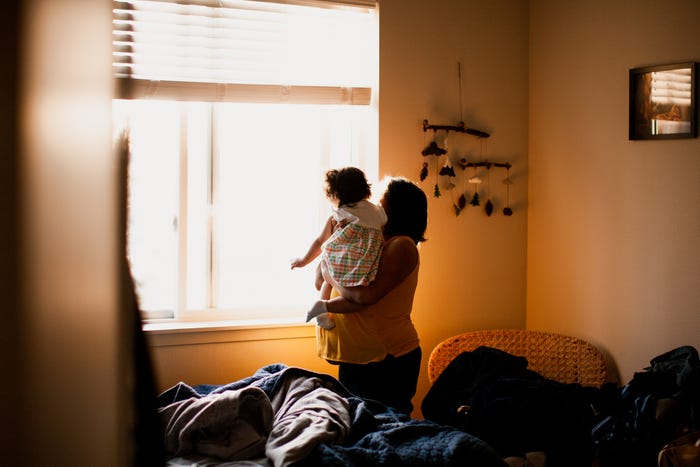
URGENT UPDATE: A growing number of families are turning to multigenerational living arrangements as financial pressures rise and emotional support becomes essential. In New Jersey, Rosa, a freelance writer, reveals how her mother’s move into her home after her father’s death has transformed their lives over the past 10 years.
Following the passing of her father, Rosa’s mother faced not only the loss of her partner but also the financial burden of living alone on a fixed income. With housing costs skyrocketing, Rosa made the pivotal decision for her mother to move in. This choice, while practical, has brought both challenges and unexpected rewards.
“I found myself emotionally and financially responsible for her,” Rosa shares. The reality of caring for an aging parent has proven to be far more complex than she anticipated. Balancing her career, parenting, and the responsibilities of caregiving, she faces a daily struggle that many millennials now relate to—being part of the sandwich generation.
The rise of multigenerational living isn’t just a personal trend; it’s becoming a necessity for many, especially within the Latinx community. With rising living costs and fewer support systems in place, families are finding themselves cohabitating out of necessity. Rosa emphasizes that while splitting expenses made financial sense, the emotional costs can be overwhelming.
“I was responsible for scheduling her doctor’s appointments and managing her medications,” she explains, reflecting on the emotional weight that comes with such responsibilities. The role reversal has been challenging, as she watches her mother transition from caregiver to someone who needs care.
“I underestimated how much personal freedom I’d have to give up,” Rosa admits. The small joys of life are now intertwined with a sense of responsibility, leading to feelings of being stretched thin.
Despite these challenges, Rosa finds silver linings in their arrangement. Shared meals have strengthened their bond, and Rosa’s daughter benefits from witnessing the importance of family ties. “It’s a reminder that there is someone out there who cares,” she notes.
Rosa also acknowledges how this experience has deepened her understanding of aging and its challenges. “I see firsthand how isolating it can be for elders,” she states, highlighting the fragile nature of independence.
As the trend of multigenerational living continues to expand, Rosa offers wisdom from her journey: “It’s not just a financial decision; it’s an emotional commitment.”
For those navigating similar circumstances, Rosa encourages finding balance and practicing self-care. “Caring for your parents doesn’t mean losing your own life,” she asserts.
As families around the globe reassess their living situations in light of economic pressures and emotional needs, Rosa’s story serves as a powerful testament to the complexities and rewards of multigenerational living. Stay tuned for more updates on this developing trend affecting countless households.

Trump Administration Mandates SNAP Recipients to Reapply for Benefits

CD Projekt Red Confirms The Witcher 4 Won’t Release in 2026

Air Pollution Linked to Increased Risk of Dementia, Study Finds

U.S. Negotiators Head to Russia After Productive Ukraine Talks

All-SSD NAS Revolutionizes Home Labs: Speed and Efficiency Surge

Urgent Warning: Jim Chanos Sounds Alarm on Nvidia’s Debt Risks

Sister Offers to Buy Brother’s Home Amid Financial Crisis

Police Arrest 67-Year-Old Santa for Alleged Child Abuse in Brazil

Urgent: Apple TV’s Cyber Monday Deal Slashes Prices Over 50%!

University of Hawaiʻi Joins $25.6M AI Initiative to Monitor Disasters

Toledo City League Announces Hall of Fame Inductees for 2024

DOJ Seizes $15 Billion in Bitcoin from Major Crypto Fraud Network

Sharp Launches Five New Aquos QLED 4K Ultra HD Smart TVs

Celtics Coach Joe Mazzulla Dominates Local Media in Scrimmage

Mutual Advisors LLC Increases Stake in SPDR Portfolio ETF

Community Unites for 7th Annual Walk to Raise Mental Health Awareness

Western Executives Confront Harsh Realities of China’s Manufacturing Edge

INK Entertainment Launches Exclusive Sofia Pop-Up at Virgin Hotels
-
Science4 weeks ago
University of Hawaiʻi Joins $25.6M AI Initiative to Monitor Disasters
-
 Lifestyle2 months ago
Toledo City League Announces Hall of Fame Inductees for 2024
-
 Business2 months ago
DOJ Seizes $15 Billion in Bitcoin from Major Crypto Fraud Network
-
 Top Stories2 months ago
Sharp Launches Five New Aquos QLED 4K Ultra HD Smart TVs
-
 Sports2 months ago
Celtics Coach Joe Mazzulla Dominates Local Media in Scrimmage
-
 Politics2 months ago
Mutual Advisors LLC Increases Stake in SPDR Portfolio ETF
-
 Health2 months ago
Community Unites for 7th Annual Walk to Raise Mental Health Awareness
-
 Science2 months ago
Western Executives Confront Harsh Realities of China’s Manufacturing Edge
-
 World2 months ago
INK Entertainment Launches Exclusive Sofia Pop-Up at Virgin Hotels
-

 Politics2 months ago
Major Networks Reject Pentagon’s New Reporting Guidelines
-

 Science1 month ago
Astronomers Discover Twin Cosmic Rings Dwarfing Galaxies
-

 Top Stories1 month ago
Randi Mahomes Launches Game Day Clothing Line with Chiefs