
Top Stories
Home Automation Revolution: Secure Your Smart Devices NOW!

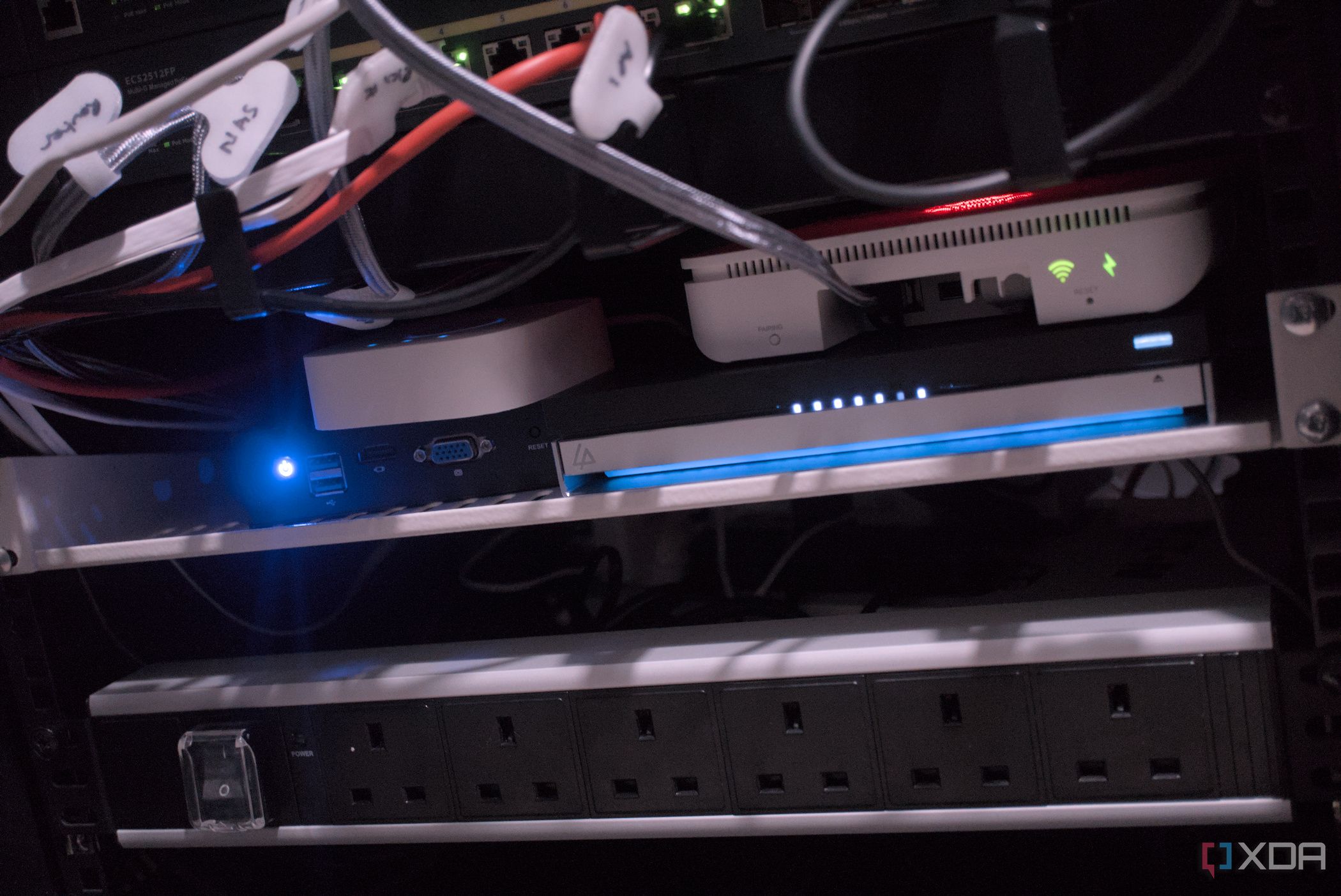
URGENT UPDATE: Home automation enthusiasts are taking decisive action to enhance the security of their smart devices by cutting off internet access while retaining remote control capabilities. This groundbreaking approach is transforming how people manage their home networks, amplifying the urgent need for cybersecurity awareness.
In a compelling move that challenges conventional wisdom, homeowners are increasingly opting to isolate their Internet of Things (IoT) devices from the web. By doing so, they are effectively mitigating the risks posed by unpatched vulnerabilities and potential botnet attacks. Just yesterday, reports surfaced that users are successfully implementing local control systems to regain authority over their smart homes.
As hackers continuously exploit weaknesses in IoT devices—exemplified by the notorious Mirai botnet—the urgency for robust cybersecurity measures has never been more critical. Automated scanning and AI advancements have made the internet a perilous landscape, with countless inadequately secured devices ready for exploitation. This reality has sparked a wave of proactive measures among tech-savvy homeowners.
Homeowners are now embracing comprehensive solutions like Home Assistant and Tailscale to achieve a secure and user-friendly smart home environment. By placing IoT devices on a dedicated VLAN (Virtual Local Area Network) and blocking their internet access, users are significantly reducing their exposure to online threats.
The integration of local control tools, such as Home Assistant, enables seamless management of connected devices without relying on cloud services. This shift not only enhances security but also provides peace of mind for users who wish to stay in control of their smart environments.
For those wishing to maintain remote access capabilities, the process is straightforward. Homeowners can utilize tools like Tailscale to create a secure connection to their home network. By setting up subnet routing and configuring specific firewall rules, users can manage their smart devices remotely, ensuring that their homes remain secure from outside threats.
The recent trend emphasizes the importance of taking control back from the cloud. Users report substantial success in utilizing local protocols like Zigbee, minimizing reliance on internet-connected services. As a result, homeowners can access features such as thermostat adjustments or security camera monitoring without compromising their network’s safety.
What’s next? As cybersecurity continues to evolve, the integration of local language models (LLM) for voice control without cloud dependency is gaining traction. Homeowners are encouraged to explore these advancements to further enhance their smart home experiences while safeguarding their data.
As the landscape of home automation shifts, the call for immediate action is clear. Homeowners are urged to assess their smart devices and implement local control strategies to avoid the dangers lurking online. The message is resonating: taking charge of your smart home is no longer optional—it’s essential for safety and security in our increasingly connected world.
Stay tuned as more homeowners adopt these practices, sharing their experiences and solutions for a safer smart home environment. The revolution in home automation is here, and it’s time to act NOW!

Homemade Ding Dong Cake Recipe Surges in Popularity, Perfect for Crowds

Eurozone Manufacturing PMI Dips to 49.6, Signals Economic Slowdown

Im Si Wan’s New Photos Spark Intense Online Debate Today

Holiday Gift Guide: Essential Tips for Coworker Gifting NOW

Navigate Holiday Gift-Giving for Coworkers with Ease

Readers React to Epstein Scandal and Playwright’s Legacy

SoftBank and Yaskawa Collaborate to Develop Advanced AI Robots

Broncos Triumph in Overtime as Bonitto Seals Victory Against Commanders

Search for Victims of Hong Kong Fire Approaches Conclusion

University of Hawaiʻi Joins $25.6M AI Initiative to Monitor Disasters

Toledo City League Announces Hall of Fame Inductees for 2024

DOJ Seizes $15 Billion in Bitcoin from Major Crypto Fraud Network

Sharp Launches Five New Aquos QLED 4K Ultra HD Smart TVs

Celtics Coach Joe Mazzulla Dominates Local Media in Scrimmage

Mutual Advisors LLC Increases Stake in SPDR Portfolio ETF

Community Unites for 7th Annual Walk to Raise Mental Health Awareness

Western Executives Confront Harsh Realities of China’s Manufacturing Edge

INK Entertainment Launches Exclusive Sofia Pop-Up at Virgin Hotels
-
Science4 weeks ago
University of Hawaiʻi Joins $25.6M AI Initiative to Monitor Disasters
-
 Lifestyle2 months ago
Toledo City League Announces Hall of Fame Inductees for 2024
-
 Business2 months ago
DOJ Seizes $15 Billion in Bitcoin from Major Crypto Fraud Network
-
 Top Stories2 months ago
Sharp Launches Five New Aquos QLED 4K Ultra HD Smart TVs
-
 Sports2 months ago
Celtics Coach Joe Mazzulla Dominates Local Media in Scrimmage
-
 Politics2 months ago
Mutual Advisors LLC Increases Stake in SPDR Portfolio ETF
-
 Health2 months ago
Community Unites for 7th Annual Walk to Raise Mental Health Awareness
-
 Science2 months ago
Western Executives Confront Harsh Realities of China’s Manufacturing Edge
-
 World2 months ago
INK Entertainment Launches Exclusive Sofia Pop-Up at Virgin Hotels
-

 Politics2 months ago
Major Networks Reject Pentagon’s New Reporting Guidelines
-

 Science1 month ago
Astronomers Discover Twin Cosmic Rings Dwarfing Galaxies
-

 Top Stories1 month ago
Randi Mahomes Launches Game Day Clothing Line with Chiefs