
Top Stories
Kaiser Healthcare Strike Ends; Union Claims ‘New Momentum’ in Talks

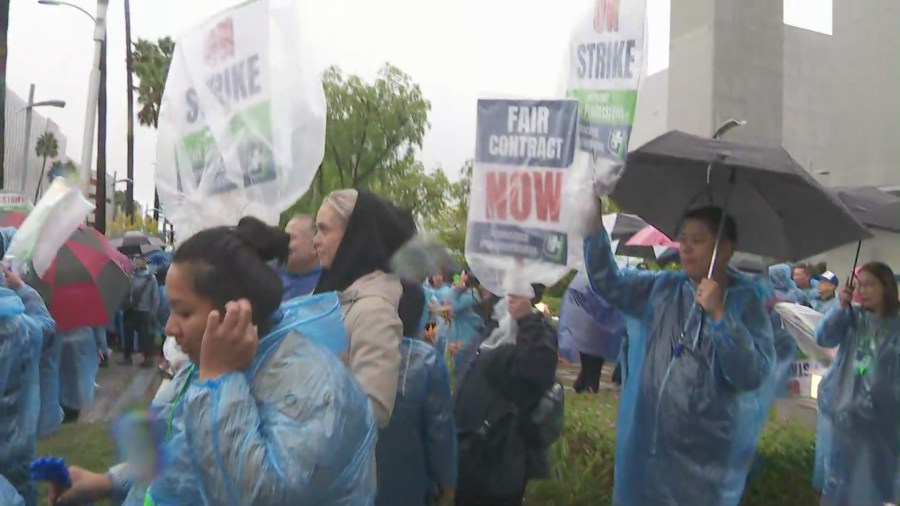
URGENT UPDATE: The five-day strike involving over 31,000 Kaiser Permanente healthcare workers has officially concluded, with the union declaring a surge of “new momentum” in ongoing negotiations. The strike, which began on October 14, 2025, impacted more than 500 facilities across the West Coast, primarily in California, Hawaii, and Oregon.
Workers took to the picket lines demanding better conditions amid claims of “unsafe staffing, stagnant wages, and deteriorating patient care.” The strike mobilized registered nurses, pharmacists, nurse anesthetists, and various other healthcare professionals, representing a significant force in the healthcare industry.
In a statement released as workers returned to their posts, the United Nurses Associations of California/Union of Health Care Professionals (UNAC/UHCP) emphasized that the strike was a powerful demonstration of unity and determination. “Caregivers are united, determined, and backed by a growing movement for safe staffing and fair contracts,” the union stated.
The urgency of this labor action was amplified by the Joint Commission’s recent announcement of new standards that address medical facility staffing, which union leaders believe will reshape future contract negotiations. “Unsafe staffing is unsafe care,” asserted union president Charmaine S. Morales, reinforcing the need for systemic changes in staffing protocols.
Kaiser Permanente officials previously described the strike as “unnecessary and disruptive,” but they welcomed the returning employees and reiterated their commitment to delivering high-quality care. In their response, Kaiser highlighted their proposal, which includes a robust 21.5% total base wage increase over four years, aimed at retaining talent while addressing ongoing economic pressures.
Kaiser and union representatives are scheduled to resume discussions on October 22-23, with a focus on economic issues, including wages. The statement from Kaiser emphasized that while staffing concerns are critical, the primary issue remains wages, which were at the heart of the strike.
“This strike may be over, but the fight for patient safety is not,” the union concluded, signaling that they will continue to advocate for fair contracts that prioritize patients and staff alike. The impact of this strike is far-reaching, highlighting ongoing tensions in the healthcare sector and the urgent need for reform in staffing and compensation.
As the situation develops, both Kaiser and the union are poised for critical negotiations that could reshape the landscape of healthcare work in the coming months. Observers are urged to stay tuned for updates on this evolving story, as the stakes are high for healthcare professionals and the patients they serve.

Knicks Dominate Raptors 116-94 at Home, Extend Winning Streak

Hallmark’s ‘Christmas at the Catnip Café’ Premieres Tonight!

Millville Woman Arrested for Threatening U-Haul Worker with Baton

Japan’s PM Takaichi Confirms Continued Fiscal Management Strategy

Bitcoin Plummets Below $88K Amid Tether Concerns and Warnings

Designers Unveil 5 Urgent Tricks to Transform Outdoor Eyesores

Shark Teeth Research Reveals Urgent Need to Protect Species

Church Members Unite in Resilience After Thanksgiving Fire

Community Unites to Attempt World Record for Largest Cookie Exchange

University of Hawaiʻi Joins $25.6M AI Initiative to Monitor Disasters

Toledo City League Announces Hall of Fame Inductees for 2024

DOJ Seizes $15 Billion in Bitcoin from Major Crypto Fraud Network

Sharp Launches Five New Aquos QLED 4K Ultra HD Smart TVs

Celtics Coach Joe Mazzulla Dominates Local Media in Scrimmage

Mutual Advisors LLC Increases Stake in SPDR Portfolio ETF

Community Unites for 7th Annual Walk to Raise Mental Health Awareness

Western Executives Confront Harsh Realities of China’s Manufacturing Edge

Major Networks Reject Pentagon’s New Reporting Guidelines
-
Science4 weeks ago
University of Hawaiʻi Joins $25.6M AI Initiative to Monitor Disasters
-
 Lifestyle2 months ago
Toledo City League Announces Hall of Fame Inductees for 2024
-
 Business2 months ago
DOJ Seizes $15 Billion in Bitcoin from Major Crypto Fraud Network
-
 Top Stories2 months ago
Sharp Launches Five New Aquos QLED 4K Ultra HD Smart TVs
-
 Sports2 months ago
Celtics Coach Joe Mazzulla Dominates Local Media in Scrimmage
-
 Politics2 months ago
Mutual Advisors LLC Increases Stake in SPDR Portfolio ETF
-
 Health2 months ago
Community Unites for 7th Annual Walk to Raise Mental Health Awareness
-
 Science2 months ago
Western Executives Confront Harsh Realities of China’s Manufacturing Edge
-
 Politics2 months ago
Major Networks Reject Pentagon’s New Reporting Guidelines
-

 World2 months ago
INK Entertainment Launches Exclusive Sofia Pop-Up at Virgin Hotels
-

 Science1 month ago
Astronomers Discover Twin Cosmic Rings Dwarfing Galaxies
-

 Top Stories1 month ago
Randi Mahomes Launches Game Day Clothing Line with Chiefs