
Top Stories
Microsoft Faces Major Windows 11 Crisis as Core Features Fail

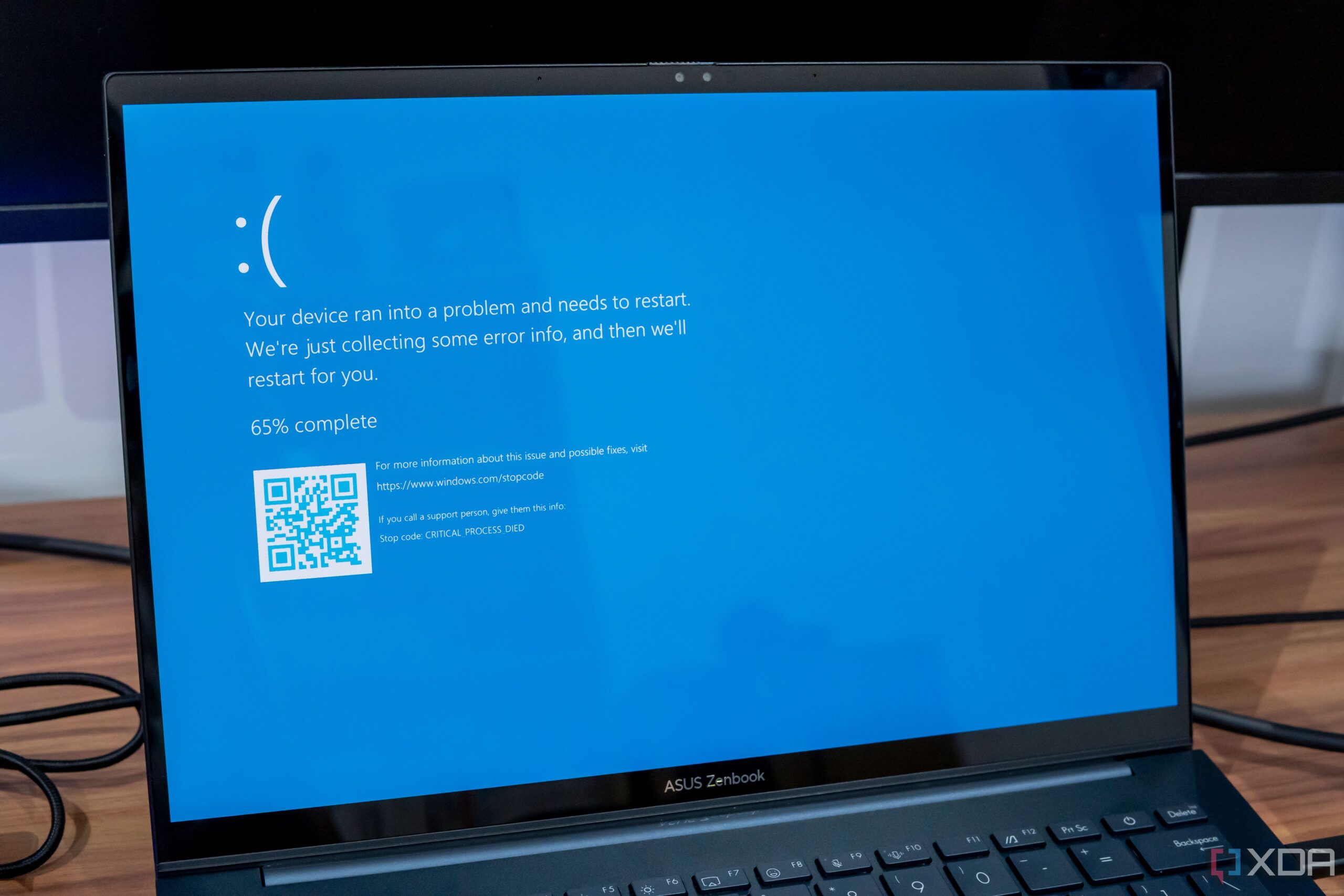
URGENT UPDATE: Microsoft is grappling with significant failures in its flagship operating system, Windows 11, as critical features malfunction, prompting frustration among users worldwide. This alarming situation comes just **four years** after the OS launched in **October 2021**.
New reports confirm that numerous core features of Windows 11, including the **Start Menu**, **Taskbar**, and **File Explorer**, have been rendered unreliable following a problematic update released in **July 2025**. Microsoft itself acknowledged these issues, stating that “major Windows 11 core features” can break after recent updates due to flaws in a **XAML software component**.
The fallout has been severe, with users experiencing crashes in **Explorer.exe** and **ShellHost processes**, along with critical errors preventing the Start Menu from opening. Many have faced broken taskbars and non-functional settings, prompting Microsoft to issue temporary workarounds while engineers work on solutions.
This crisis underscores a broader concern: nearly **1 billion PCs** are still running Windows 10, which officially reached end-of-life in **October 2025**. Despite the rollout of **Extended Security Updates** for Windows 10 users in the EU, many remain hesitant to upgrade, fueled by a growing distrust in Microsoft’s handling of Windows 11.
The situation is compounded by a shift in Microsoft’s focus toward AI. Company CEO **Satya Nadella** revealed that up to **30%** of new code is now AI-generated, raising questions about software quality and reliability. As users grapple with persistent bugs, new features—such as the intrusive **Copilot integration**—have been introduced without resolving existing issues.
Users are not only frustrated by technical failures but also by Microsoft’s aggressive monetization strategies. What began as “suggestions” in the Start Menu has evolved into persistent advertisements for Microsoft services and third-party applications, further alienating those who feel betrayed by the shift away from a straightforward user experience.
With adoption rates for Windows 11 lagging significantly behind Windows 10, Microsoft now faces an uphill battle. Current data shows that Windows 11’s rollout is trailing Windows 10 by **10 percentage points**, indicating a lack of confidence among users. Many are opting to stay on the older OS, believing that they are avoiding potential pitfalls.
What happens next? Microsoft stands at a crucial juncture. The company must decide whether to continue pushing forward with AI features while core functionality crumbles or to focus on stabilizing the operating system. Users are calling for a reliable experience—where the Start Menu opens consistently, File Explorer functions without crashes, and updates do not introduce new problems.
As Microsoft contemplates its next steps, the pressure mounts to address these fundamental issues. The company has the resources and expertise to rectify its missteps, but time is of the essence. With millions of users still on Windows 10, Microsoft risks losing its user base if it cannot restore faith in Windows 11.
For now, users remain hopeful that Microsoft will prioritize stability over flashy new features. The clock is ticking, and the demands are simple: they want an operating system that works reliably. As this situation develops, users are eager to see if Microsoft can rise to the challenge and reclaim trust in its flagship product.

Trump Issues Ultimatum to Maduro; Venezuela Closes Airspace Amid Tensions

Microsoft Faces Major Windows 11 Crisis as Core Features Fail

Kino Lorber Acquires North American Rights to ‘The Currents’

UGG Offers Historic Discounts on Tasman II Slippers for Cyber Monday

Organizing Committee for 2034 Olympics to Meet Monday Morning

Whitney Leavitt to Star as Roxie Hart in Chicago on Broadway

Berlin Patient Achieves HIV Remission After Cancer Treatment

BTS Duo Jimin and Jung Kook Return with Season Two of ‘Are You Sure?!’

Cory Booker Ties the Knot Amid 2028 Presidential Ambitions

University of Hawaiʻi Joins $25.6M AI Initiative to Monitor Disasters

Toledo City League Announces Hall of Fame Inductees for 2024

DOJ Seizes $15 Billion in Bitcoin from Major Crypto Fraud Network

Sharp Launches Five New Aquos QLED 4K Ultra HD Smart TVs

Celtics Coach Joe Mazzulla Dominates Local Media in Scrimmage

Community Unites for 7th Annual Walk to Raise Mental Health Awareness

Mutual Advisors LLC Increases Stake in SPDR Portfolio ETF

Western Executives Confront Harsh Realities of China’s Manufacturing Edge

INK Entertainment Launches Exclusive Sofia Pop-Up at Virgin Hotels
-
Science4 weeks ago
University of Hawaiʻi Joins $25.6M AI Initiative to Monitor Disasters
-
 Lifestyle2 months ago
Toledo City League Announces Hall of Fame Inductees for 2024
-
 Business2 months ago
DOJ Seizes $15 Billion in Bitcoin from Major Crypto Fraud Network
-
 Top Stories2 months ago
Sharp Launches Five New Aquos QLED 4K Ultra HD Smart TVs
-
 Sports2 months ago
Celtics Coach Joe Mazzulla Dominates Local Media in Scrimmage
-
 Health2 months ago
Community Unites for 7th Annual Walk to Raise Mental Health Awareness
-
 Politics2 months ago
Mutual Advisors LLC Increases Stake in SPDR Portfolio ETF
-
 Science2 months ago
Western Executives Confront Harsh Realities of China’s Manufacturing Edge
-
 World2 months ago
INK Entertainment Launches Exclusive Sofia Pop-Up at Virgin Hotels
-

 Politics2 months ago
Major Networks Reject Pentagon’s New Reporting Guidelines
-

 Science1 month ago
Astronomers Discover Twin Cosmic Rings Dwarfing Galaxies
-

 Top Stories1 month ago
Randi Mahomes Launches Game Day Clothing Line with Chiefs