
Top Stories
New Study Reveals Ideal Amount of Indoor Plants for Well-Being

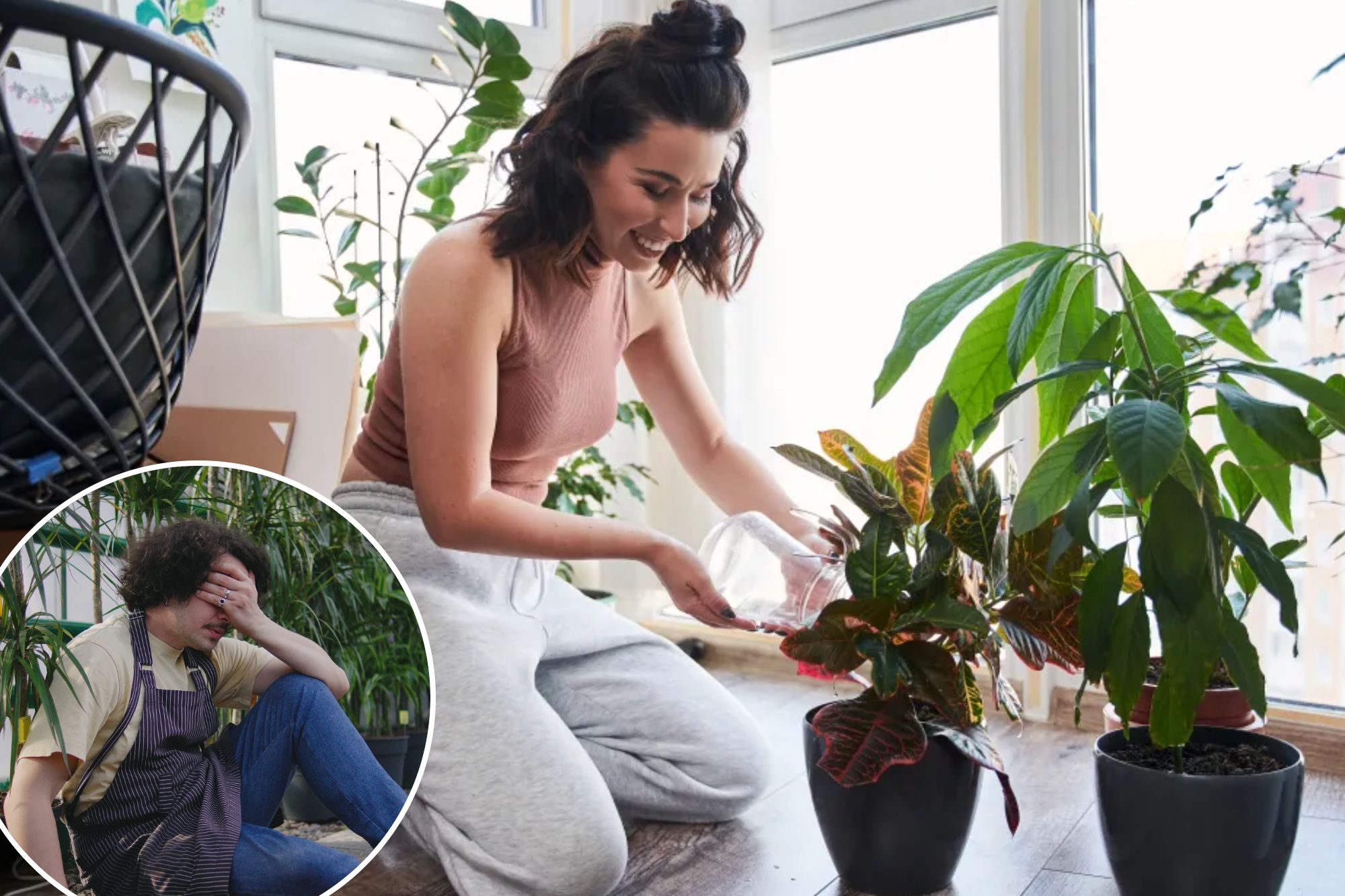
URGENT UPDATE: A groundbreaking study from Stanford University reveals that having the right amount of indoor plants is crucial for well-being, with an optimal greenery level set at 20%. Too many plants can actually increase stress, transforming your tranquil indoor oasis into a source of anxiety.
The research, led by Eva Bianchi, involved 412 participants who were placed in digital conference rooms with varying amounts of indoor greenery. The study found that when participants perceived plants in about one-fifth of their environment, they reported significant boosts in restoration and a sense of belonging. This translates to approximately 17 plants in a room of 13 square meters, complemented by a view of tree canopies.
However, researchers discovered that exceeding this threshold—specifically when total greenery reached 60%—led to increased stress levels among participants. Bianchi noted, “I wasn’t expecting this at all,” emphasizing that an overload of plants could overwhelm individuals and hinder productivity. Participants expressed feelings of being overwhelmed, with some describing the environment as “too many plants” and “a nightmare to try to get anything done.”
The findings are especially relevant as the indoor plant trend surges, particularly among Millennials and Gen Z, with surveys indicating that two-thirds of American households now have at least one indoor plant. The study highlights the importance of not just the presence of plants but the connection individuals feel towards them. Those who felt more in tune with their greenery experienced greater mental and physical health benefits.
The Nature View Potential tool, developed as part of this study, measures the sightlines of greenery within a room, allowing designers to optimize plant placements for maximum comfort and calm. This research has significant implications across various settings, including workplaces, schools, and hospitals, where the right amount of greenery can enhance productivity, concentration, and recovery rates.
Looking ahead, the team hopes their findings will guide future designs to ensure that indoor spaces promote well-being without overwhelming occupants. As the houseplant craze continues to grow, understanding the balance of indoor nature has never been more critical.
Stay tuned for more updates on how indoor plants can impact your health and happiness!

Federal Appeals Court Blocks Alina Habba as US Attorney for NJ

Trump Administration Mandates SNAP Recipients to Reapply for Benefits

CD Projekt Red Confirms The Witcher 4 Won’t Release in 2026

Air Pollution Linked to Increased Risk of Dementia, Study Finds

U.S. Negotiators Head to Russia After Productive Ukraine Talks

All-SSD NAS Revolutionizes Home Labs: Speed and Efficiency Surge

Urgent Warning: Jim Chanos Sounds Alarm on Nvidia’s Debt Risks

Sister Offers to Buy Brother’s Home Amid Financial Crisis

Police Arrest 67-Year-Old Santa for Alleged Child Abuse in Brazil

University of Hawaiʻi Joins $25.6M AI Initiative to Monitor Disasters

Toledo City League Announces Hall of Fame Inductees for 2024

DOJ Seizes $15 Billion in Bitcoin from Major Crypto Fraud Network

Sharp Launches Five New Aquos QLED 4K Ultra HD Smart TVs

Celtics Coach Joe Mazzulla Dominates Local Media in Scrimmage

Mutual Advisors LLC Increases Stake in SPDR Portfolio ETF

Community Unites for 7th Annual Walk to Raise Mental Health Awareness

Western Executives Confront Harsh Realities of China’s Manufacturing Edge

INK Entertainment Launches Exclusive Sofia Pop-Up at Virgin Hotels
-
Science4 weeks ago
University of Hawaiʻi Joins $25.6M AI Initiative to Monitor Disasters
-
 Lifestyle2 months ago
Toledo City League Announces Hall of Fame Inductees for 2024
-
 Business2 months ago
DOJ Seizes $15 Billion in Bitcoin from Major Crypto Fraud Network
-
 Top Stories2 months ago
Sharp Launches Five New Aquos QLED 4K Ultra HD Smart TVs
-
 Sports2 months ago
Celtics Coach Joe Mazzulla Dominates Local Media in Scrimmage
-
 Politics2 months ago
Mutual Advisors LLC Increases Stake in SPDR Portfolio ETF
-
 Health2 months ago
Community Unites for 7th Annual Walk to Raise Mental Health Awareness
-
 Science2 months ago
Western Executives Confront Harsh Realities of China’s Manufacturing Edge
-
 World2 months ago
INK Entertainment Launches Exclusive Sofia Pop-Up at Virgin Hotels
-

 Politics2 months ago
Major Networks Reject Pentagon’s New Reporting Guidelines
-

 Science1 month ago
Astronomers Discover Twin Cosmic Rings Dwarfing Galaxies
-

 Top Stories1 month ago
Randi Mahomes Launches Game Day Clothing Line with Chiefs