
Top Stories
Scientists Achieve Breakthrough in Recharging Aging Human Cells

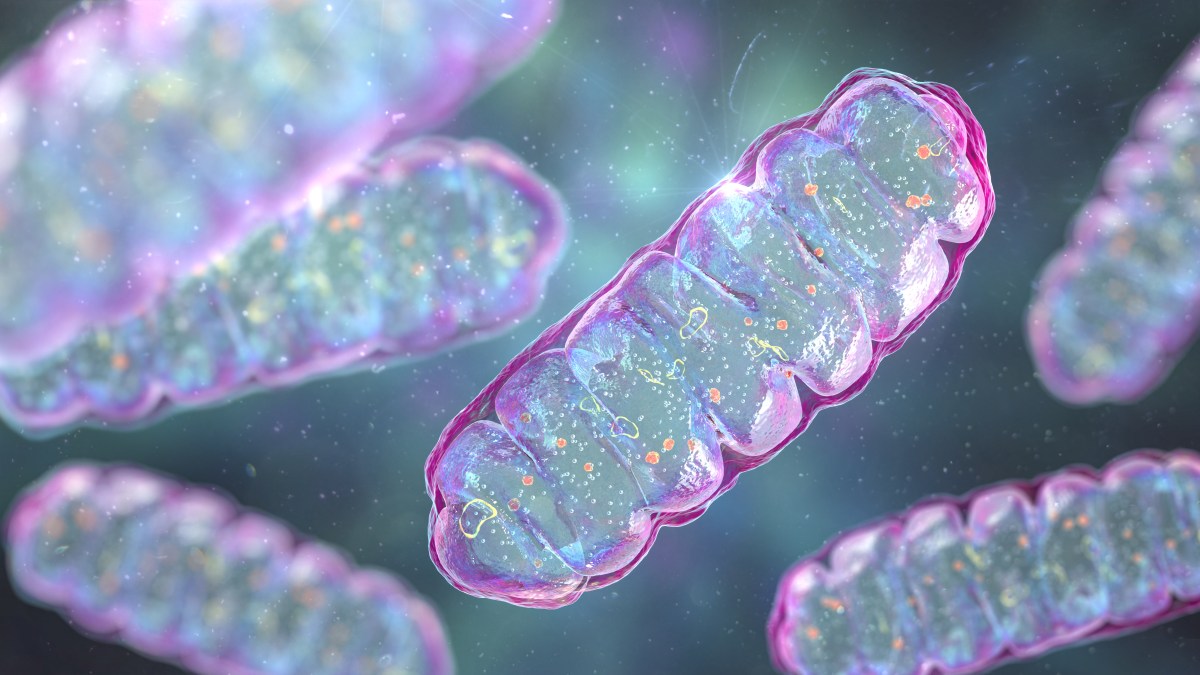
BREAKING: Scientists at Texas A&M University have made a groundbreaking discovery that could revolutionize how we approach aging tissues in humans. Their research reveals a method to potentially stop or even reverse cellular energy decline, a major factor in aging and related diseases.
The team has developed a technique to rejuvenate aging human cells by replacing their mitochondria—the essential “powerhouses” of the cell responsible for energy production. This innovative method has shown promising results, restoring energy output and significantly enhancing cell health. According to lead author and biomedical engineer, Akhilesh Gaharwar, “This is an early but exciting step toward recharging aging tissues using their own biological machinery.”
This breakthrough is critical now as mitochondrial decline is linked to aging, heart disease, and neurodegenerative disorders like Alzheimer’s. The ability to enhance the body’s natural capacity to replace damaged mitochondria could provide new treatment options for these conditions. Gaharwar elaborated, “By restoring energy production and reducing oxidative stress, this approach has the potential to rejuvenate specific tissues affected by mitochondrial decline.”
Utilizing a combination of innovative nanomaterials, referred to as nanoflowers, and stem cells, researchers found that the stem cells produced twice the normal amount of mitochondria. When these “boosted” stem cells were introduced to damaged cells, they transferred their surplus mitochondria, effectively restoring energy and function. The rejuvenated cells demonstrated enhanced energy levels and resilience against cell death, even after exposure to harmful agents like chemotherapy.
The study reveals that the enhanced stem cells transferred between two to four times more mitochondria compared to untreated ones. “It’s like giving an old electronic a new battery pack,” said co-author John Soukar. “Instead of tossing them out, we are plugging fully-charged batteries from healthy cells into diseased ones.”
While current methods to boost mitochondrial function often require frequent medication doses, the larger nanoparticles used in this research can remain in the cells longer, potentially allowing for monthly treatments instead. These nanoparticles are made from molybdenum disulfide, a compound capable of forming various two-dimensional shapes at the microscopic level.
Gaharwar emphasized that this technique amplifies the natural reparative function of stem cells, enhancing their mitochondrial supply to promote efficient transfer. “Our method enhances a natural repair mechanism rather than creating a new one,” he noted.
The implications of this research extend beyond just a single disease. Gaharwar expressed optimism about treating a wide variety of conditions, stating, “You could put the cells anywhere in the patient. If you have cardiomyopathy, you can treat cardiac cells directly.”
Next steps include conducting animal studies to confirm the safety and therapeutic benefits, followed by potential clinical trials. The team believes that this approach could significantly impact the treatment of conditions where mitochondrial failure is a key issue, offering hope for improved quality of life for those affected.
As this research continues to develop, it stands as a beacon of hope in regenerative medicine, with the potential to change the future of aging and degenerative diseases. Stay tuned for more updates on this promising breakthrough in medical science.

ECB Confirms Interest Rates Remain Steady Ahead of Year-End

Rolette Record Transitions to New Ownership in Cando Deal

Reverend Thomas Perry Resigns Amid Controversy Over Conduct

University of Arizona Researchers Discover Key to Preventing Scar Tissue

Missouri Sports Betting Launches Amid Ongoing Scandals

Four Arrested in Australia for Alleged International Child Abuse Ring

Rolette Record Sold to Cando Men: Major Change in Local Media

Marsh & McLennan Faces Challenges as Stock Underperforms Financial Sector

Fire Erupts at Indigo Apartments in OKC, Residents Fearful

University of Hawaiʻi Joins $25.6M AI Initiative to Monitor Disasters

Toledo City League Announces Hall of Fame Inductees for 2024

DOJ Seizes $15 Billion in Bitcoin from Major Crypto Fraud Network

Sharp Launches Five New Aquos QLED 4K Ultra HD Smart TVs

Celtics Coach Joe Mazzulla Dominates Local Media in Scrimmage

Community Unites for 7th Annual Walk to Raise Mental Health Awareness

Mutual Advisors LLC Increases Stake in SPDR Portfolio ETF

Western Executives Confront Harsh Realities of China’s Manufacturing Edge

INK Entertainment Launches Exclusive Sofia Pop-Up at Virgin Hotels
-
Science4 weeks ago
University of Hawaiʻi Joins $25.6M AI Initiative to Monitor Disasters
-
 Lifestyle2 months ago
Toledo City League Announces Hall of Fame Inductees for 2024
-
 Business2 months ago
DOJ Seizes $15 Billion in Bitcoin from Major Crypto Fraud Network
-
 Top Stories2 months ago
Sharp Launches Five New Aquos QLED 4K Ultra HD Smart TVs
-
 Sports2 months ago
Celtics Coach Joe Mazzulla Dominates Local Media in Scrimmage
-
 Health2 months ago
Community Unites for 7th Annual Walk to Raise Mental Health Awareness
-
 Politics2 months ago
Mutual Advisors LLC Increases Stake in SPDR Portfolio ETF
-
 Science2 months ago
Western Executives Confront Harsh Realities of China’s Manufacturing Edge
-
 World2 months ago
INK Entertainment Launches Exclusive Sofia Pop-Up at Virgin Hotels
-

 Politics2 months ago
Major Networks Reject Pentagon’s New Reporting Guidelines
-

 Science1 month ago
Astronomers Discover Twin Cosmic Rings Dwarfing Galaxies
-

 Top Stories1 month ago
Randi Mahomes Launches Game Day Clothing Line with Chiefs