
Top Stories
Texas Religious Liberty Commission Launches Amid Controversy

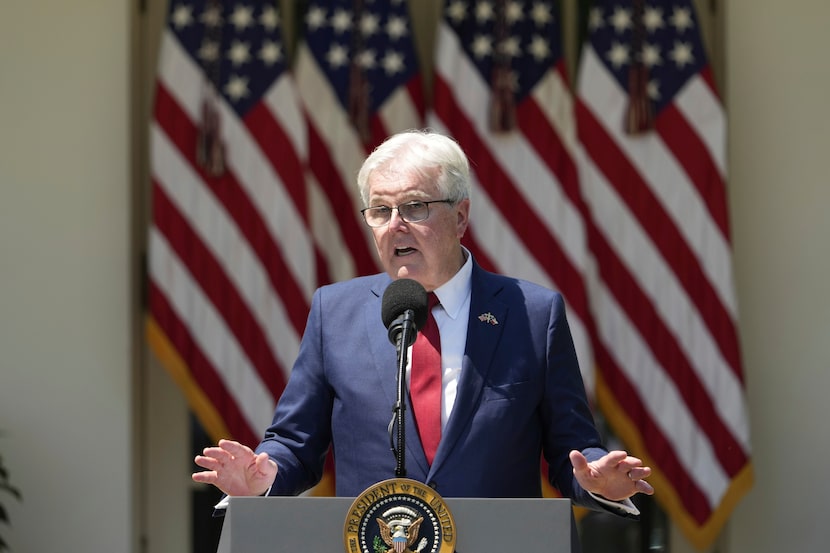
UPDATE: The newly formed Texas Religious Liberty Commission, led by Lt. Gov. Dan Patrick, is making headlines as it gears up for its first public hearing set for November 17 in Dallas. This commission, officially announced on May 1, 2025, aims to address what Patrick describes as a growing concern among Christians regarding perceived assaults on religious freedoms during previous administrations.
The commission was born from a surprise phone call between Patrick and President-elect Donald Trump shortly after the November 2024 elections. During this conversation, Patrick proposed a commission of faith leaders to explore policies protecting religious liberties, a suggestion Trump quickly endorsed. Patrick asserts this is a “God moment” and emphasizes the commission’s mission to remind Americans of their “magnificent inheritance of religious liberty.”
As public hearings commence, the commission plans to focus on issues such as when and where individuals can pray, display religious symbols, and the rights of faith groups against local government regulations. The upcoming session is expected to feature testimonies from individuals who have faced religious persecution, especially within local governments and the military.
However, the commission’s formation has sparked significant controversy. Critics, including Americans United for the Separation of Church and State, argue that its heavy evangelical Christian influence undermines the principle of separation between church and state. They warn that it may prioritize specific Christian ideologies over the rights of nonbelievers and minority faiths.
Amid this backdrop, the commission’s advisory panels include prominent figures such as Alveda King, niece of the Rev. Martin Luther King Jr., and legal experts like Josh Blackman from South Texas College of Law. Patrick defends the commission’s composition, stating it represents a broad spectrum of faith, despite some critics highlighting the absence of Muslim leaders.
The commission’s public hearings, initially scheduled for November, were delayed due to the government shutdown, heightening anticipation for its next event. The session promises to delve into stories of religious oppression, with a focus on local governance and military personnel facing restrictions on faith expressions.
As Texas continues to assert its influence on national politics, the commission’s work reflects the state’s reputation as a bastion of conservative religious values. Patrick’s leadership is seen as pivotal in shaping policies that may resonate across the nation, particularly as the U.S. approaches its 250th anniversary.
The implications of this commission extend beyond Texas, potentially setting a precedent for how religious freedom is navigated in America. Critics warn that without adequate representation of diverse faiths, the commission may exacerbate existing tensions surrounding religious liberty and civil rights.
As the commission prepares for its next steps, all eyes will be on the testimonies shared and the recommendations made to the Trump administration. Observers are keen to see how these developments will impact the ongoing dialogue about the intersection of faith and governance in the United States.
Stay tuned for further updates as this story develops.

Police Arrest 67-Year-Old Santa for Alleged Child Abuse in Brazil

Urgent: Apple TV’s Cyber Monday Deal Slashes Prices Over 50%!

Astronomers Assess First-Ever Planetary Defense Test with 2024 YR4

Siblings Shine in Macy’s Thanksgiving Day Parade in NYC

U.S.-Wanted Fentanyl Kingpin Killed in Mexican Military Operation

Investors Urged to Rethink Bond Strategies in Changing Market

‘Zootopia 2’ Dominates Thanksgiving Weekend Box Office

New Research Suggests Baby Movements Can Alleviate Back Pain

Easton Launches Free Business Consulting Program with Lehigh U

University of Hawaiʻi Joins $25.6M AI Initiative to Monitor Disasters

Toledo City League Announces Hall of Fame Inductees for 2024

DOJ Seizes $15 Billion in Bitcoin from Major Crypto Fraud Network

Sharp Launches Five New Aquos QLED 4K Ultra HD Smart TVs

Celtics Coach Joe Mazzulla Dominates Local Media in Scrimmage

Mutual Advisors LLC Increases Stake in SPDR Portfolio ETF

Community Unites for 7th Annual Walk to Raise Mental Health Awareness

Western Executives Confront Harsh Realities of China’s Manufacturing Edge

INK Entertainment Launches Exclusive Sofia Pop-Up at Virgin Hotels
-
Science4 weeks ago
University of Hawaiʻi Joins $25.6M AI Initiative to Monitor Disasters
-
 Lifestyle2 months ago
Toledo City League Announces Hall of Fame Inductees for 2024
-
 Business2 months ago
DOJ Seizes $15 Billion in Bitcoin from Major Crypto Fraud Network
-
 Top Stories2 months ago
Sharp Launches Five New Aquos QLED 4K Ultra HD Smart TVs
-
 Sports2 months ago
Celtics Coach Joe Mazzulla Dominates Local Media in Scrimmage
-
 Politics2 months ago
Mutual Advisors LLC Increases Stake in SPDR Portfolio ETF
-
 Health2 months ago
Community Unites for 7th Annual Walk to Raise Mental Health Awareness
-
 Science2 months ago
Western Executives Confront Harsh Realities of China’s Manufacturing Edge
-
 World2 months ago
INK Entertainment Launches Exclusive Sofia Pop-Up at Virgin Hotels
-
 Politics2 months ago
Major Networks Reject Pentagon’s New Reporting Guidelines
-

 Science1 month ago
Astronomers Discover Twin Cosmic Rings Dwarfing Galaxies
-

 Top Stories1 month ago
Randi Mahomes Launches Game Day Clothing Line with Chiefs