
Top Stories
Trump Promises Families Up to $20,000 in Tax Cuts Starting 2026

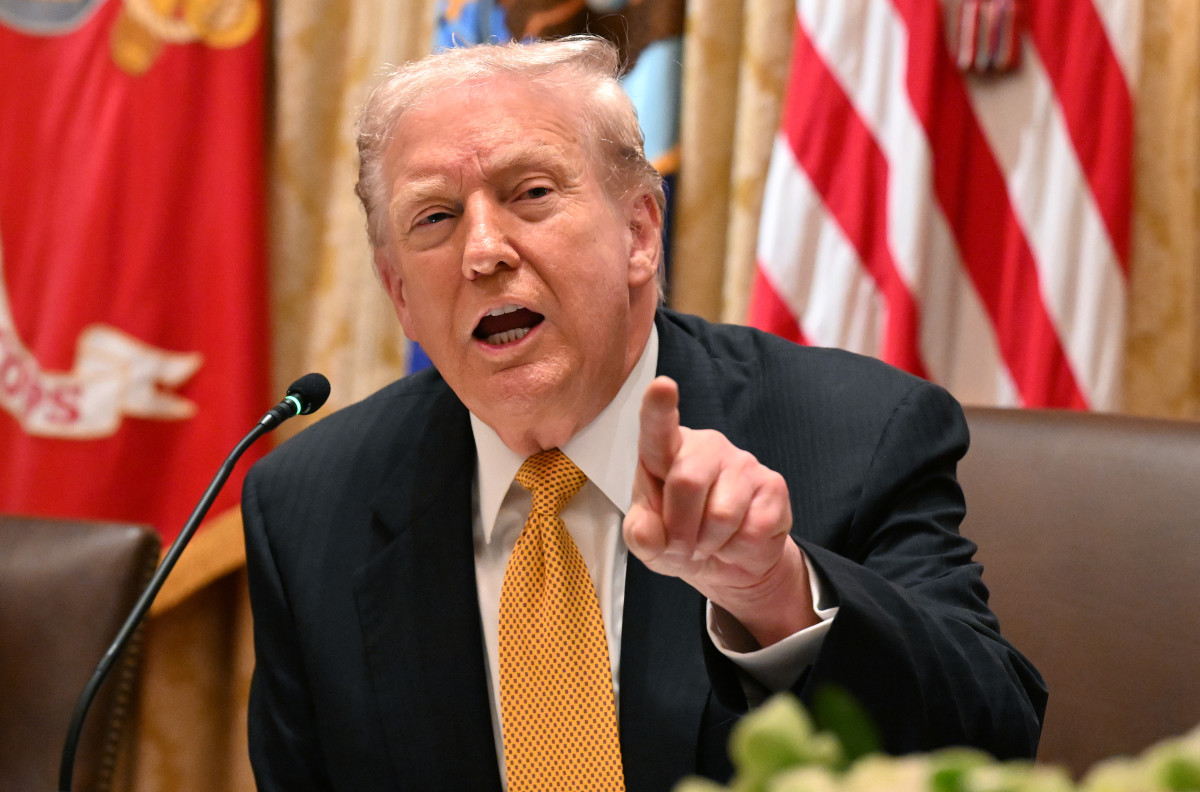
UPDATE: During a nationally televised address on December 17, 2025, President Donald Trump unveiled a bold promise of what he calls “the largest tax cuts in U.S. history,” aiming to provide American families with tax savings between $11,000 and $20,000 in 2026. This announcement comes as households grapple with high prices and rising borrowing costs, fueling urgent questions about the real impact of these proposed cuts.
Trump’s tax plan is billed as a response to the ongoing affordability crisis, with his economic team asserting that the quickest way to alleviate financial strain is to “put more money back in Americans’ pockets.” The administration indicates that next spring is projected to usher in the “largest tax refund season of all time,” invigorating families facing economic challenges.
What lies beneath Trump’s sweeping claim is a series of “working families” tax cuts, recently passed by Congressional Republicans and signed into law by Trump. The new law makes the lower individual tax rates from the 2017 tax overhaul permanent while increasing the standard deduction and enhancing the Child Tax Credit to $2,200. According to the House Ways and Means Committee, this package delivers an estimated $191 billion in net new tax relief.
Taxpayers can expect to see an additional $91 billion in refunds, alongside $30 billion from reduced withholding in 2026. However, while the promise of substantial savings sounds appealing, the reality for many families may be far less dramatic.
Analysts caution that the figures Trump cites are not typical for the median household. Most filers are expected to see tax refunds rise by approximately $1,000 due to the combination of new credits and unchanged withholding tables. In fact, a report summarized by Bloomberg indicates that many households could experience savings of “less than $100 to a few hundred dollars” more than in previous years, primarily driven by the higher standard deduction.
So, who might actually benefit from Trump’s ambitious tax cuts? Analysts suggest that the largest savings are likely to go to higher-income families who can take full advantage of the new deductions, particularly those with significant tip or overtime income that is now exempt from federal income tax.
Current estimates reveal that only a small percentage of households will benefit from the no-tax rule on tips, and even the enhanced standard deduction for seniors will affect a limited number of older filers. Therefore, Trump’s headline figure should be interpreted as a “maximal case” rather than a baseline expectation for most taxpayers.
For families, the real impact hinges on individual income, family size, and employment type. Those with substantial overtime pay or tips could see meaningful tax relief, while salaried workers may witness only minor adjustments in withholding and refunds. The enhanced Child Tax Credit and increased standard deduction can help reduce tax bills, but most families should not anticipate windfall savings in the tens of thousands.
Economists and tax experts exhibit divided opinions on the implications of Trump’s tax proposal. Supporters argue that increased refunds and lowered work taxes will help families cope with rising living costs, as many use refunds to cover essential expenses. However, critics emphasize that significant gains are concentrated among wealthier households, leaving many middle-income families with marginal relief amidst ongoing inflation.
As taxpayers await the implementation of these new tax rules, the IRS has begun issuing guidance on savings vehicles linked to the working families tax cuts, including “Trump Accounts,” which will offer a one-time $1,000 federal contribution for eligible children born between 2025 and 2028. Financial experts urge families to consider how best to utilize potential refunds—whether to pay down high-interest debt, boost emergency savings, or invest for the future.
While Trump’s $11,000 to $20,000 promise may resonate as a compelling soundbite, actual savings will ultimately depend on individual circumstances. Taxpayers are encouraged to assess their unique financial situations, revisit withholding, and plan strategically for the upcoming tax season to ensure that the promised savings translate into tangible benefits. This is a developing story that will continue to evolve as more details emerge.

Salesforce CEO Calls AI-Related Suicides ‘Darkest Aspect’ of Tech

Navigating Family Dynamics: Finding Your Voice Amid Exclusion

Tensions Rise as Denmark and U.S. Discuss Greenland’s Future

New Study Redefines Dark Matter: From Cold to Hot Origins

Penguins Secure Victory, Reclaim First Place in Atlantic Division

Investigators Identify Faulty Part in UPS MD-11 Crash

Elon Musk Denies Grok AI Generated Explicit Images of Minors

Willow Smith Stuns in Daring Swimwear Look, Fans React Now!

South Korea Unveils Ramen Experiences for Tourists at Airports

University of Hawaiʻi Joins $25.6M AI Initiative to Monitor Disasters

Interstellar Object 3I/ATLAS Emits Unprecedented Metal Alloy

Toledo City League Announces Hall of Fame Inductees for 2024

DOJ Seizes $15 Billion in Bitcoin from Major Crypto Fraud Network

Western Executives Confront Harsh Realities of China’s Manufacturing Edge

Sharp Launches Five New Aquos QLED 4K Ultra HD Smart TVs

Mutual Advisors LLC Increases Stake in SPDR Portfolio ETF

Celtics Coach Joe Mazzulla Dominates Local Media in Scrimmage

Community Unites for 7th Annual Walk to Raise Mental Health Awareness
-
Science2 months ago
University of Hawaiʻi Joins $25.6M AI Initiative to Monitor Disasters
-
 Science3 months ago
Interstellar Object 3I/ATLAS Emits Unprecedented Metal Alloy
-
 Lifestyle3 months ago
Toledo City League Announces Hall of Fame Inductees for 2024
-
 Business3 months ago
DOJ Seizes $15 Billion in Bitcoin from Major Crypto Fraud Network
-
 Science3 months ago
Western Executives Confront Harsh Realities of China’s Manufacturing Edge
-
 Top Stories3 months ago
Sharp Launches Five New Aquos QLED 4K Ultra HD Smart TVs
-
 Politics3 months ago
Mutual Advisors LLC Increases Stake in SPDR Portfolio ETF
-
 Sports3 months ago
Celtics Coach Joe Mazzulla Dominates Local Media in Scrimmage
-
 Health3 months ago
Community Unites for 7th Annual Walk to Raise Mental Health Awareness
-

 Politics3 months ago
Major Networks Reject Pentagon’s New Reporting Guidelines
-

 World3 months ago
INK Entertainment Launches Exclusive Sofia Pop-Up at Virgin Hotels
-

 Top Stories3 months ago
Microsoft Releases Urgent Windows 11 25H2 Update for All Users