
Top Stories
U.S. Military Intensifies Pressure on Venezuela with B-52 Strikes

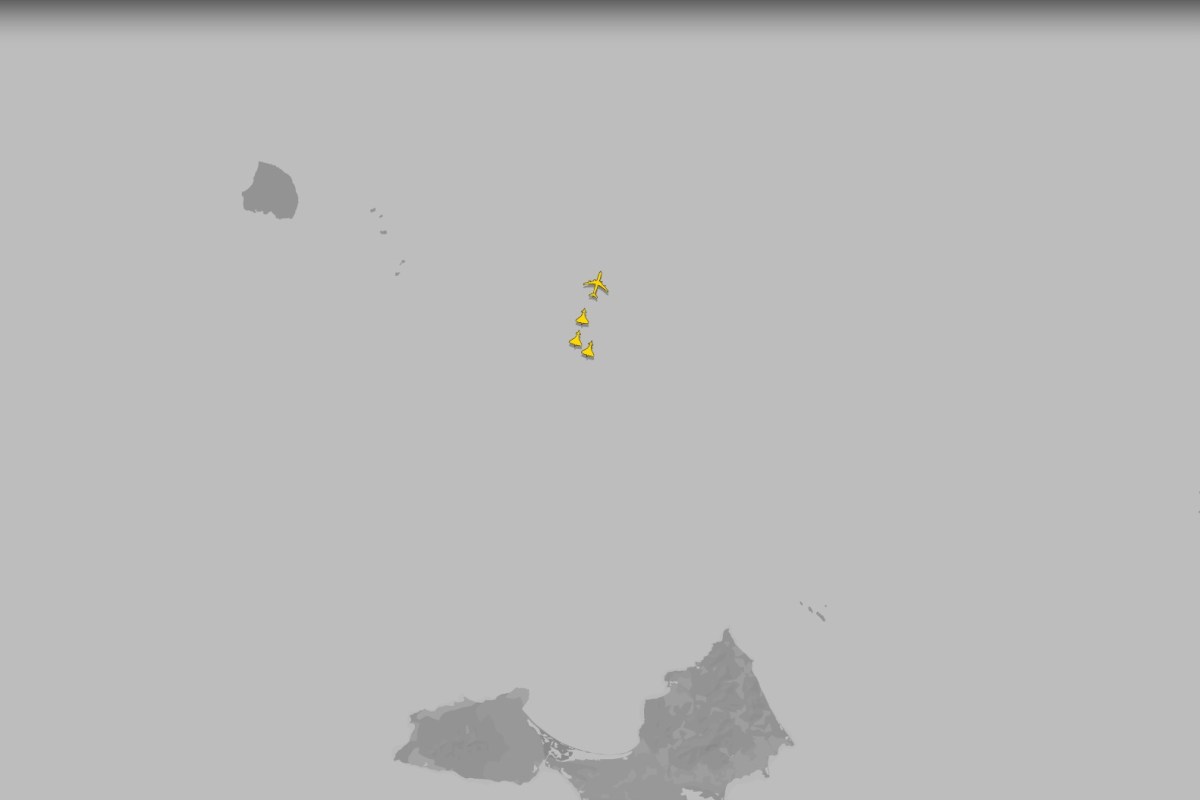
UPDATE: A U.S. B-52 bomber has conducted a strategic flyover near Caracas, Venezuela, as tensions escalate between the United States and Nicolás Maduro’s regime. This marked the bomber’s second mission in just five days, part of a broader U.S. military operation aimed at intensifying pressure on Venezuela’s government amid rising concerns over drug trafficking.
Authorities report that the B-52, escorted by F/A-18 Super Hornets, was monitoring potential drug trafficking routes as part of Operation Southern Spear. This operation reflects a significant increase in U.S. military presence in the Caribbean, with advanced aircraft and naval resources deployed to combat illicit activities in the region.
The significance of this escalation cannot be understated. What began as a focused crackdown on drug trafficking has rapidly evolved into a larger power struggle against the Venezuelan government. The U.S. has recently designated the Cartel de los Soles—a network allegedly linked to high-ranking officials in Venezuela—as a terrorist organization, a move that intensifies the stakes in this developing situation.
In a recent statement, Secretary of Defense Pete Hegseth emphasized the unmatched capabilities of the U.S. military to act decisively both on land and at sea. He warned traffickers directly, stating, “Don’t get in a boat because it’s going to end poorly for you.” The operation’s objective is to disrupt narco-terrorist activities, with Hegseth affirming that the U.S. is ready to apply long-range pressure similar to tactics used against extremist groups overseas.
Venezuelan officials have vehemently opposed the U.S. actions, calling the terrorist designation a “ridiculous scheme” aimed at justifying unlawful intervention. Foreign Minister Yan Gil urged the U.S. to reconsider its aggressive policies, highlighting that these actions negatively impact Caribbean nations and do not effectively combat drug trafficking.
As the situation unfolds, U.S. military authorities continue to hold daily strategy meetings to assess the most effective options to support President Trump’s objectives. The potential for direct military action against land targets in Venezuela remains uncertain, but the commitment to maintaining robust military pressure is clear.
What happens next could alter the course of U.S.-Venezuelan relations significantly. The international community will be watching closely as military activities ramp up and diplomatic tensions continue to rise. The urgency of this situation demands immediate attention as the U.S. navigates its approach in this volatile region.
Stay tuned for further updates as this story develops.

ECB Confirms Interest Rates Remain Steady Ahead of Year-End

Rolette Record Transitions to New Ownership in Cando Deal

Reverend Thomas Perry Resigns Amid Controversy Over Conduct

University of Arizona Researchers Discover Key to Preventing Scar Tissue

Missouri Sports Betting Launches Amid Ongoing Scandals

Four Arrested in Australia for Alleged International Child Abuse Ring

Rolette Record Sold to Cando Men: Major Change in Local Media

Marsh & McLennan Faces Challenges as Stock Underperforms Financial Sector

Fire Erupts at Indigo Apartments in OKC, Residents Fearful

University of Hawaiʻi Joins $25.6M AI Initiative to Monitor Disasters

Toledo City League Announces Hall of Fame Inductees for 2024

DOJ Seizes $15 Billion in Bitcoin from Major Crypto Fraud Network

Sharp Launches Five New Aquos QLED 4K Ultra HD Smart TVs

Celtics Coach Joe Mazzulla Dominates Local Media in Scrimmage

Mutual Advisors LLC Increases Stake in SPDR Portfolio ETF

Community Unites for 7th Annual Walk to Raise Mental Health Awareness

Western Executives Confront Harsh Realities of China’s Manufacturing Edge

INK Entertainment Launches Exclusive Sofia Pop-Up at Virgin Hotels
-
Science4 weeks ago
University of Hawaiʻi Joins $25.6M AI Initiative to Monitor Disasters
-
 Lifestyle2 months ago
Toledo City League Announces Hall of Fame Inductees for 2024
-
 Business2 months ago
DOJ Seizes $15 Billion in Bitcoin from Major Crypto Fraud Network
-
 Top Stories2 months ago
Sharp Launches Five New Aquos QLED 4K Ultra HD Smart TVs
-
 Sports2 months ago
Celtics Coach Joe Mazzulla Dominates Local Media in Scrimmage
-
 Politics2 months ago
Mutual Advisors LLC Increases Stake in SPDR Portfolio ETF
-
 Health2 months ago
Community Unites for 7th Annual Walk to Raise Mental Health Awareness
-
 Science2 months ago
Western Executives Confront Harsh Realities of China’s Manufacturing Edge
-
 World2 months ago
INK Entertainment Launches Exclusive Sofia Pop-Up at Virgin Hotels
-

 Politics2 months ago
Major Networks Reject Pentagon’s New Reporting Guidelines
-

 Science1 month ago
Astronomers Discover Twin Cosmic Rings Dwarfing Galaxies
-

 Top Stories1 month ago
Randi Mahomes Launches Game Day Clothing Line with Chiefs