
Top Stories
Urgent Alert: New Jersey’s “Ghost Tapping” Scam Steals Funds

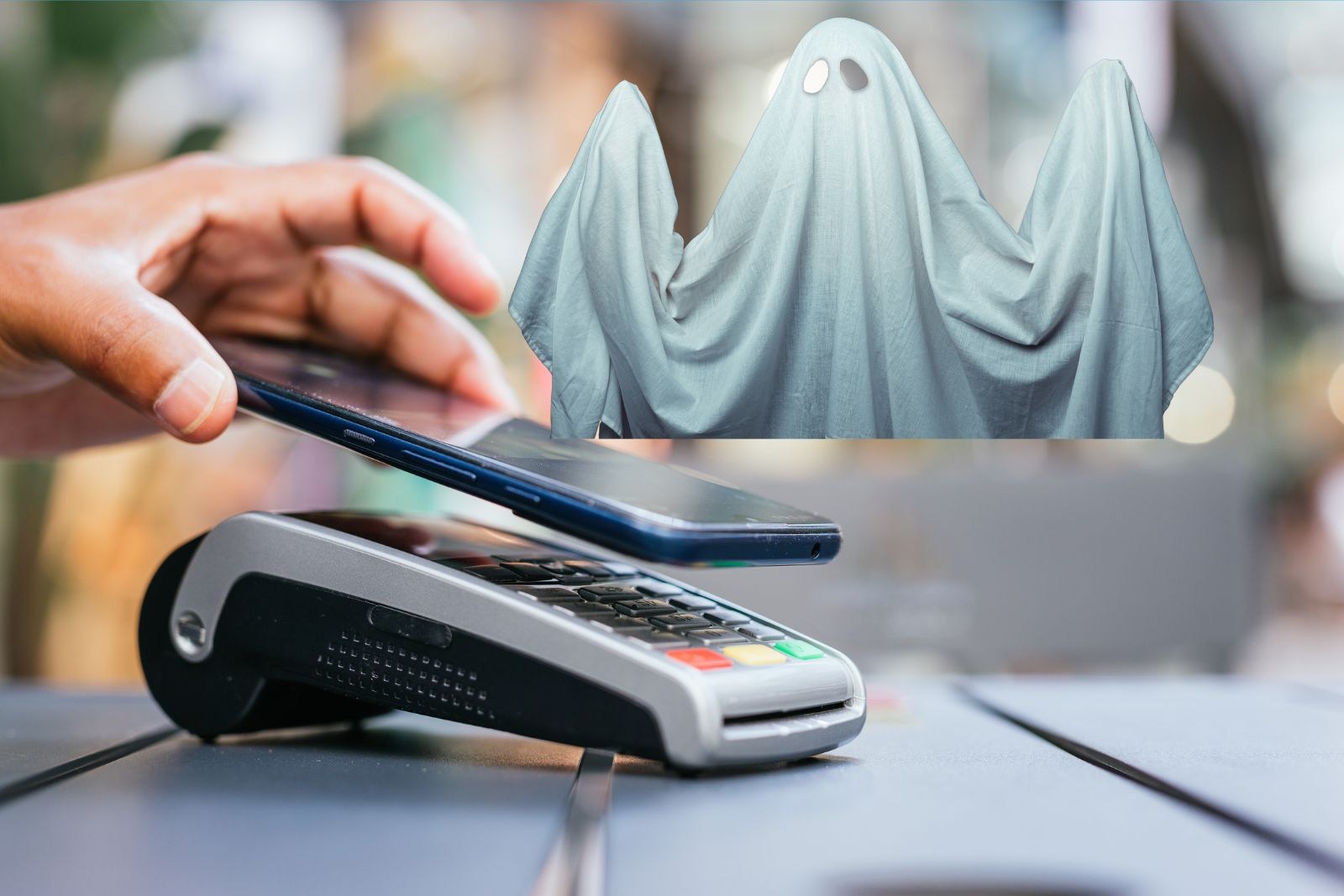
UPDATE: A shocking new scam, dubbed “ghost tapping,” is sweeping through New Jersey, posing an immediate threat to tap-to-pay users. Fraudsters can siphon funds directly from your bank account without any physical contact, making it a terrifying new method of theft.
According to the Better Business Bureau, this alarming scheme is gaining traction, and experts are urging consumers to act fast before they fall victim. “Scammers are stealing credit cards that a person has in a digital wallet, putting that information into a ghost phone, and then using that ghost phone at point-of-sales retail stores,” warns Paul Oster, president of Better Qualified, a credit management firm based in Eatontown.
HOW IT WORKS: The cyber-thieves need to be just a few feet away from their target. They utilize concealed-card readers or “ghost phones” to swipe your digital card information, especially in crowded areas. “They are literally able to steal the cards in your digital wallet just by standing right next to you,” Oster said. Scammers can also trick unsuspecting victims into tapping their cards for fake products, leading to unauthorized charges.
GROWING DANGER: The scope of this scam is escalating alarmingly. Cyber thieves are reportedly recruiting accomplices from other countries, traveling around while committing fraud and either selling the stolen goods on the black market or bringing them back home. This global operation has made New Jersey shoppers vulnerable to widespread financial loss.
PROTECT YOURSELF: Residents are urged to abandon tap-and-pay transactions immediately. Instead, opt to either swipe or insert your debit or credit card. “If you tap to pay and the merchant is part of this scam, they just stole your information,” Oster cautioned.
To further safeguard against ghost tapping, Oster suggests several proactive measures:
– Always verify the merchant’s name and transaction amount on the terminal screen before tapping.
– Keep credit and debit cards in RFID-blocking sleeves to shield them from unauthorized scanning.
– Set up transaction alerts with your bank to receive real-time notifications for every charge.
– Never share verification codes, even if they appear to be from a trusted source.
In a grim twist, Oster emphasizes the dire implications of this scam, quipping, “I don’t say tap-to-pay anymore. I say it’s tap-to-pray.” As this scheme continues to unfold, New Jersey residents must remain vigilant to protect their personal and financial information.
Stay tuned for more updates on this developing story as authorities work to combat the growing threat of ghost tapping. Share this information widely to keep your friends and family informed!

Hallmark’s ‘Christmas at the Catnip Café’ Premieres Tonight!

Millville Woman Arrested for Threatening U-Haul Worker with Baton

Japan’s PM Takaichi Confirms Continued Fiscal Management Strategy

Bitcoin Plummets Below $88K Amid Tether Concerns and Warnings

Designers Unveil 5 Urgent Tricks to Transform Outdoor Eyesores

Shark Teeth Research Reveals Urgent Need to Protect Species

Church Members Unite in Resilience After Thanksgiving Fire

Community Unites to Attempt World Record for Largest Cookie Exchange

Mayor Lurie Appoints Alan Wong to District 4 Seat Amid Controversy

University of Hawaiʻi Joins $25.6M AI Initiative to Monitor Disasters

Toledo City League Announces Hall of Fame Inductees for 2024

DOJ Seizes $15 Billion in Bitcoin from Major Crypto Fraud Network

Sharp Launches Five New Aquos QLED 4K Ultra HD Smart TVs

Celtics Coach Joe Mazzulla Dominates Local Media in Scrimmage

Mutual Advisors LLC Increases Stake in SPDR Portfolio ETF

Community Unites for 7th Annual Walk to Raise Mental Health Awareness

Western Executives Confront Harsh Realities of China’s Manufacturing Edge

INK Entertainment Launches Exclusive Sofia Pop-Up at Virgin Hotels
-
Science4 weeks ago
University of Hawaiʻi Joins $25.6M AI Initiative to Monitor Disasters
-
 Lifestyle2 months ago
Toledo City League Announces Hall of Fame Inductees for 2024
-
 Business2 months ago
DOJ Seizes $15 Billion in Bitcoin from Major Crypto Fraud Network
-
 Top Stories2 months ago
Sharp Launches Five New Aquos QLED 4K Ultra HD Smart TVs
-
 Sports2 months ago
Celtics Coach Joe Mazzulla Dominates Local Media in Scrimmage
-
 Politics2 months ago
Mutual Advisors LLC Increases Stake in SPDR Portfolio ETF
-
 Health2 months ago
Community Unites for 7th Annual Walk to Raise Mental Health Awareness
-
 Science2 months ago
Western Executives Confront Harsh Realities of China’s Manufacturing Edge
-
 World2 months ago
INK Entertainment Launches Exclusive Sofia Pop-Up at Virgin Hotels
-

 Politics2 months ago
Major Networks Reject Pentagon’s New Reporting Guidelines
-

 Science1 month ago
Astronomers Discover Twin Cosmic Rings Dwarfing Galaxies
-

 Top Stories1 month ago
Randi Mahomes Launches Game Day Clothing Line with Chiefs