
Top Stories
USB 3.0 Issues: Why It Might Be Worse Than USB 2.0 NOW

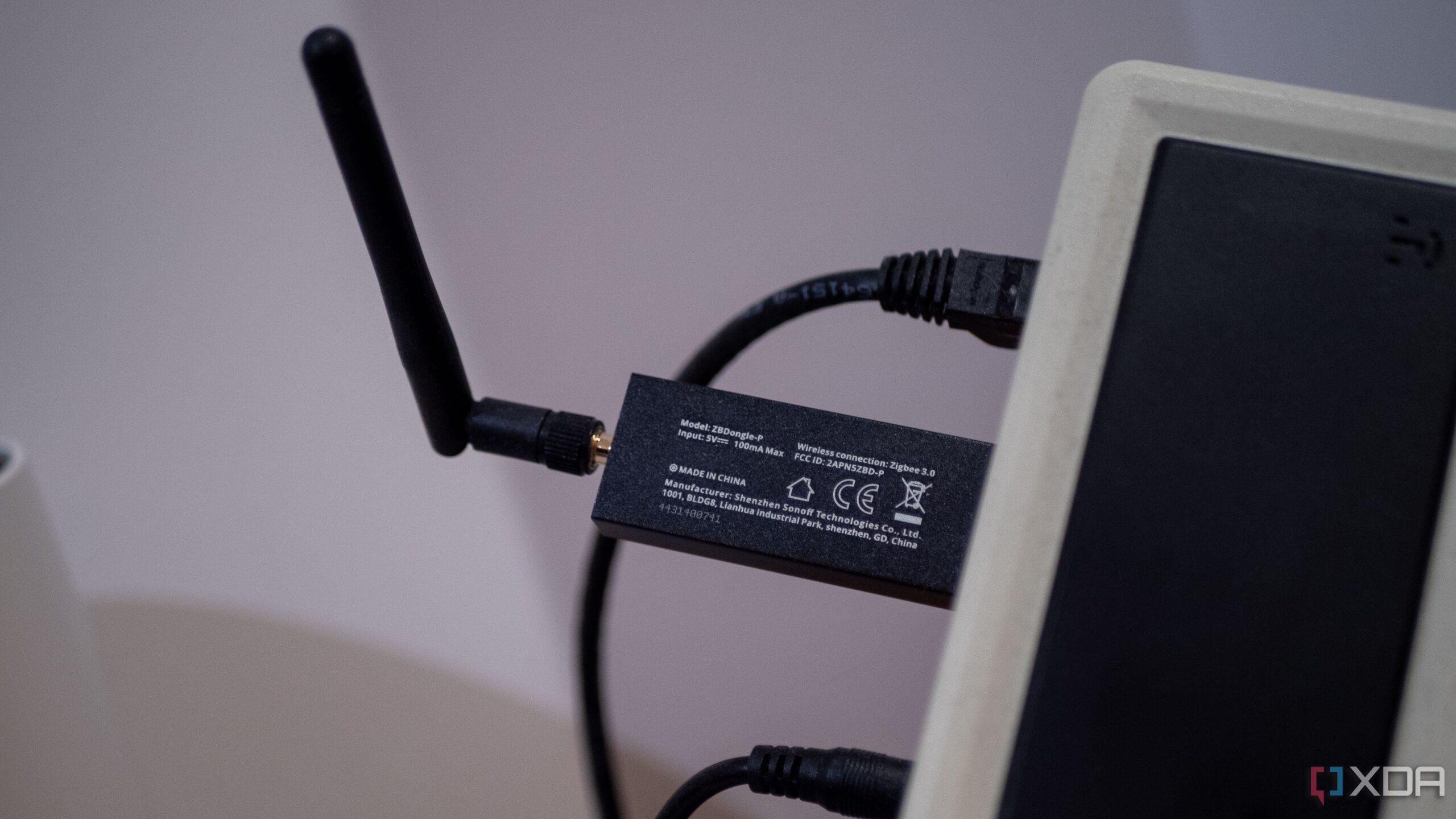
URGENT UPDATE: New reports reveal that USB 3.0, despite its promise of lightning-fast speeds, may actually cause more problems than its predecessor, USB 2.0. As of July 2023, tech enthusiasts and professionals alike are questioning the reliability of USB 3.0 in real-world scenarios.
While USB 3.0 boasts speeds of up to 5 Gbps compared to USB 2.0’s 480 Mbps, the reality is more complex. The faster technology comes with heightened interference, particularly affecting devices that rely on the 2.4 GHz spectrum, such as Bluetooth and Wi-Fi. A recent whitepaper from Intel confirmed that active USB 3.0 devices can render nearby wireless devices unusable, creating significant issues for users.
Additionally, the increased power draw of USB 3.0—rising from 500 mA to 900 mA—may sound appealing but can lead to overheating, especially in laptops and mini PCs. The complexities of USB 3.0 controllers mean they consume more energy even when idle, raising temperatures and potentially causing thermal throttling during heavy data transfers.
Another pressing concern is the stricter cable requirements associated with USB 3.0. Users often face unstable connections when using low-quality or longer cables, leading to frustrating experiences. In contrast, USB 2.0 is more forgiving, ensuring reliability even in less-than-ideal conditions.
The complexity of USB 3.0 can create issues with older devices, which may not function properly when connected to USB 3.0 ports. Users report frequent connectivity problems and power delivery issues, particularly with legacy peripherals, vintage printers, and other older technology.
Moreover, the intricate driver requirements for USB 3.0 result in a larger attack surface for potential software issues, leading to longer installation times and increased chances of conflicts. This complexity can be particularly challenging for older systems accustomed to the simplicity of USB 2.0.
As tech users weigh their options, the enduring presence of USB 2.0 ports on motherboards reveals a significant trend: many still prefer the reliability of older technology for specific tasks. Whether for troubleshooting wireless issues, maximizing battery life, or ensuring compatibility with legacy devices, USB 2.0 remains a valuable asset.
Moving forward, experts recommend that users evaluate their specific needs. For those relying on wireless devices, older peripherals, or who prioritize thermal efficiency, USB 2.0 might be the smarter choice. As this story develops, the tech community will continue to explore the implications of these findings.
Stay tuned for more updates as we track how these revelations impact users globally.

Homemade Ding Dong Cake Recipe Surges in Popularity, Perfect for Crowds

Eurozone Manufacturing PMI Dips to 49.6, Signals Economic Slowdown

Im Si Wan’s New Photos Spark Intense Online Debate Today

Holiday Gift Guide: Essential Tips for Coworker Gifting NOW

Navigate Holiday Gift-Giving for Coworkers with Ease

Readers React to Epstein Scandal and Playwright’s Legacy

SoftBank and Yaskawa Collaborate to Develop Advanced AI Robots

Broncos Triumph in Overtime as Bonitto Seals Victory Against Commanders

Search for Victims of Hong Kong Fire Approaches Conclusion

University of Hawaiʻi Joins $25.6M AI Initiative to Monitor Disasters

Toledo City League Announces Hall of Fame Inductees for 2024

DOJ Seizes $15 Billion in Bitcoin from Major Crypto Fraud Network

Sharp Launches Five New Aquos QLED 4K Ultra HD Smart TVs

Celtics Coach Joe Mazzulla Dominates Local Media in Scrimmage

Mutual Advisors LLC Increases Stake in SPDR Portfolio ETF

Community Unites for 7th Annual Walk to Raise Mental Health Awareness

Western Executives Confront Harsh Realities of China’s Manufacturing Edge

INK Entertainment Launches Exclusive Sofia Pop-Up at Virgin Hotels
-
Science4 weeks ago
University of Hawaiʻi Joins $25.6M AI Initiative to Monitor Disasters
-
 Lifestyle2 months ago
Toledo City League Announces Hall of Fame Inductees for 2024
-
 Business2 months ago
DOJ Seizes $15 Billion in Bitcoin from Major Crypto Fraud Network
-
 Top Stories2 months ago
Sharp Launches Five New Aquos QLED 4K Ultra HD Smart TVs
-
 Sports2 months ago
Celtics Coach Joe Mazzulla Dominates Local Media in Scrimmage
-
 Politics2 months ago
Mutual Advisors LLC Increases Stake in SPDR Portfolio ETF
-
 Health2 months ago
Community Unites for 7th Annual Walk to Raise Mental Health Awareness
-
 Science2 months ago
Western Executives Confront Harsh Realities of China’s Manufacturing Edge
-
 World2 months ago
INK Entertainment Launches Exclusive Sofia Pop-Up at Virgin Hotels
-

 Politics2 months ago
Major Networks Reject Pentagon’s New Reporting Guidelines
-

 Science1 month ago
Astronomers Discover Twin Cosmic Rings Dwarfing Galaxies
-

 Top Stories1 month ago
Randi Mahomes Launches Game Day Clothing Line with Chiefs