
World
Gaza Faces Long Road to Recovery as Mines Claim Lives

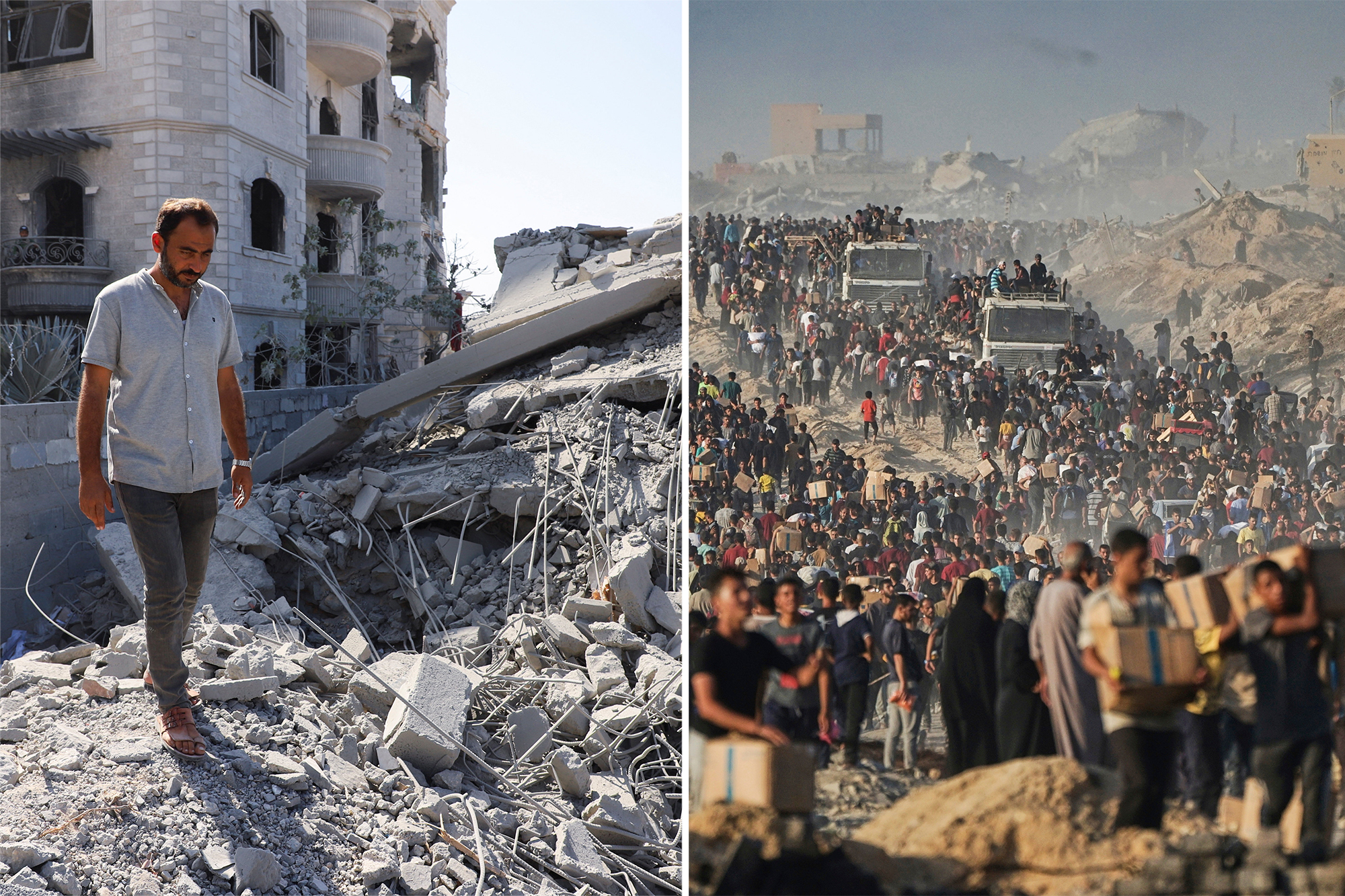
The Gaza Strip is grappling with a perilous landscape littered with unexploded ordnance, resulting in the deaths of over 53 people and posing a significant challenge for recovery efforts. According to experts, including Nick Orr, an explosive ordnance disposal expert with the humanitarian organization Humanity & Inclusion, the area resembles a “horrific, unmapped minefield.” The ongoing conflict has left many areas dangerous, and the process of clearing these explosives could take between 20 to 30 years.
Orr, who has extensive experience in Gaza, highlights the severe difficulties in locating and neutralizing these hidden dangers. “If you’re looking at a full clearance, it’s never happening,” he stated, emphasizing that the remnants of war will remain a threat for generations. Current efforts focus on identifying explosives near critical infrastructure, such as hospitals and bakeries.
Humanity & Inclusion has mobilized a seven-member team to assess the extent of the contamination. As of now, they are seeking permission from Israeli authorities to safely remove and destroy the explosives they encounter. The organization aims to render the devices unusable, thereby preventing groups like Hamas from repurposing them.
The United Nations reports that the true toll of these hidden bombs may be underrepresented. With hundreds more injured, the actual impact could be far worse than documented. The UN Mine Action Service has called for a public awareness campaign in Gaza to inform civilians about the dangers of unexploded ordnance as they return to their homes in affected areas.
Clearing densely populated regions of landmines is a complex and time-consuming process. Historical examples illustrate the challenges involved. For instance, Mozambique took nearly 22 years to be declared mine-free in 2015 following its War of Independence and subsequent civil war. Similarly, in Vietnam, decades after the Fall of Saigon in 1975, approximately 18% of the country remains contaminated with unexploded ordnance, which has claimed an estimated 40,000 lives and left 60,000 injured since the end of the conflict.
As Gaza confronts the daunting task of clearing its landscape, the legacy of war continues to pose significant risks to the safety and well-being of its residents. The international community watches closely, recognizing that recovery from such devastation will require not only time but also substantial resources and commitment to ensure a safer future for the people of Gaza.

Brooks Nader Stuns Fans with Eye-Catching Swimsuit Selfie

Beatles Autographs and Guitar String Expected to Fetch Thousands

Solana Approaches $150 as ETF Inflows Surge: Can It Reach $200?

Sean Mortimer’s ‘Misfit’ Inspires Acceptance of Individuality

Surge in ADHD Coaching: Study Reveals Growing Trend

Vintage Dealer Unearths Rare Gown by Forgotten Designer Zelda Wynn Valdes

J Street Emerges as Key Player in Shifting Democratic Dynamics

Taylor Swift & Travis Kelce Delay Wedding Plans, Focus on Love

Wyomissing Police Report Busy November with Hundreds of Calls

University of Hawaiʻi Joins $25.6M AI Initiative to Monitor Disasters

Interstellar Object 3I/ATLAS Emits Unprecedented Metal Alloy

Toledo City League Announces Hall of Fame Inductees for 2024

DOJ Seizes $15 Billion in Bitcoin from Major Crypto Fraud Network

Western Executives Confront Harsh Realities of China’s Manufacturing Edge

Sharp Launches Five New Aquos QLED 4K Ultra HD Smart TVs

Mutual Advisors LLC Increases Stake in SPDR Portfolio ETF

Celtics Coach Joe Mazzulla Dominates Local Media in Scrimmage

Community Unites for 7th Annual Walk to Raise Mental Health Awareness
-
Science2 months ago
University of Hawaiʻi Joins $25.6M AI Initiative to Monitor Disasters
-
 Science3 months ago
Interstellar Object 3I/ATLAS Emits Unprecedented Metal Alloy
-
 Lifestyle3 months ago
Toledo City League Announces Hall of Fame Inductees for 2024
-
 Business3 months ago
DOJ Seizes $15 Billion in Bitcoin from Major Crypto Fraud Network
-
 Science3 months ago
Western Executives Confront Harsh Realities of China’s Manufacturing Edge
-
 Top Stories3 months ago
Sharp Launches Five New Aquos QLED 4K Ultra HD Smart TVs
-
 Politics3 months ago
Mutual Advisors LLC Increases Stake in SPDR Portfolio ETF
-
 Sports3 months ago
Celtics Coach Joe Mazzulla Dominates Local Media in Scrimmage
-
 Health3 months ago
Community Unites for 7th Annual Walk to Raise Mental Health Awareness
-

 Politics3 months ago
Major Networks Reject Pentagon’s New Reporting Guidelines
-

 World3 months ago
INK Entertainment Launches Exclusive Sofia Pop-Up at Virgin Hotels
-

 Top Stories3 months ago
Microsoft Releases Urgent Windows 11 25H2 Update for All Users