
World
Global Leaders Gather for COP30 Without U.S. Participation

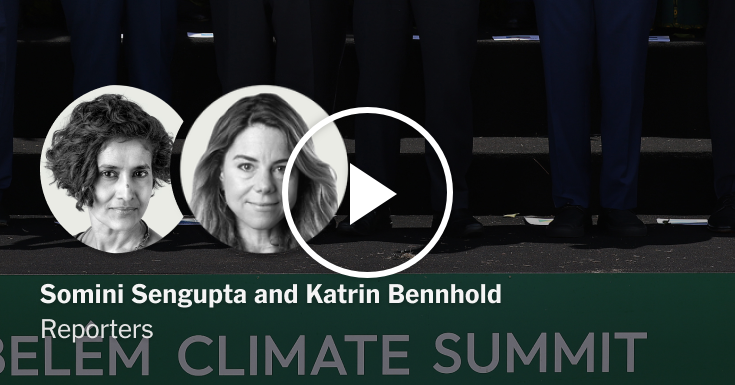
World leaders convened this week for the COP30 climate conference in December 2023, but the absence of the United States has raised significant concerns regarding the future of international climate cooperation. The United States, once a leading player in global climate discussions, was notably missing from the talks aimed at addressing pressing climate issues and forging new agreements.
The COP30 summit, taking place in Dubai, UAE, involves representatives from nearly 200 countries. They are collaborating to tackle the escalating challenges posed by climate change, including rising global temperatures, extreme weather events, and deteriorating environmental conditions. The U.S. absence is particularly striking given its historical role in shaping climate policy and funding initiatives to combat climate change.
The implications of America’s non-participation are profound. According to Somini Sengupta, an international climate reporter, this absence signals a retreat from global leadership on climate issues. The U.S. has traditionally been a significant contributor to climate financing, yet its current absence raises questions about the future of such support for developing nations grappling with climate impacts.
The conference agenda includes crucial discussions on emissions reductions, renewable energy investments, and strategies to adapt to inevitable climate changes. With the U.S. sitting out, other nations might face challenges in reaching consensus on ambitious targets and commitments. The lack of American involvement could hinder discussions on critical topics such as carbon markets and technology transfers, essential for achieving a sustainable global economy.
International reactions to the U.S. absence have varied. Some countries express frustration, viewing it as a setback in efforts to unify on climate action. Others, however, see an opportunity to advance their agendas without the influence of U.S. policy directions, potentially shifting the dynamics of global climate negotiations.
As COP30 progresses, the focus remains on whether remaining nations can forge a path forward that addresses the urgency of the climate crisis. The potential for significant agreements hangs in the balance, as leaders aim to demonstrate their commitment to combating climate change despite the absence of one of the world’s largest emitters.
The ongoing discussions at COP30 will likely shape the global climate agenda for years to come, making the implications of the U.S. absence all the more critical. As the conference unfolds, it remains to be seen how leaders will navigate the challenges ahead and what this could mean for the future of global climate action.

Japan’s PM Takaichi Confirms Continued Fiscal Management Strategy

Bitcoin Plummets Below $88K Amid Tether Concerns and Warnings

Designers Unveil 5 Urgent Tricks to Transform Outdoor Eyesores

Shark Teeth Research Reveals Urgent Need to Protect Species

Church Members Unite in Resilience After Thanksgiving Fire

Community Unites to Attempt World Record for Largest Cookie Exchange

Mayor Lurie Appoints Alan Wong to District 4 Seat Amid Controversy

Mayor Appoints Alan Wong as New Supervisor for District 4

UK Report Reveals AI’s Role in Evaluating University Research Quality

University of Hawaiʻi Joins $25.6M AI Initiative to Monitor Disasters

Toledo City League Announces Hall of Fame Inductees for 2024

DOJ Seizes $15 Billion in Bitcoin from Major Crypto Fraud Network

Sharp Launches Five New Aquos QLED 4K Ultra HD Smart TVs

Celtics Coach Joe Mazzulla Dominates Local Media in Scrimmage

Mutual Advisors LLC Increases Stake in SPDR Portfolio ETF

Community Unites for 7th Annual Walk to Raise Mental Health Awareness

Western Executives Confront Harsh Realities of China’s Manufacturing Edge

INK Entertainment Launches Exclusive Sofia Pop-Up at Virgin Hotels
-
Science4 weeks ago
University of Hawaiʻi Joins $25.6M AI Initiative to Monitor Disasters
-
 Lifestyle2 months ago
Toledo City League Announces Hall of Fame Inductees for 2024
-
 Business2 months ago
DOJ Seizes $15 Billion in Bitcoin from Major Crypto Fraud Network
-
 Top Stories2 months ago
Sharp Launches Five New Aquos QLED 4K Ultra HD Smart TVs
-
 Sports2 months ago
Celtics Coach Joe Mazzulla Dominates Local Media in Scrimmage
-
 Politics2 months ago
Mutual Advisors LLC Increases Stake in SPDR Portfolio ETF
-
 Health2 months ago
Community Unites for 7th Annual Walk to Raise Mental Health Awareness
-
 Science2 months ago
Western Executives Confront Harsh Realities of China’s Manufacturing Edge
-
 World2 months ago
INK Entertainment Launches Exclusive Sofia Pop-Up at Virgin Hotels
-

 Politics2 months ago
Major Networks Reject Pentagon’s New Reporting Guidelines
-

 Science1 month ago
Astronomers Discover Twin Cosmic Rings Dwarfing Galaxies
-

 Top Stories1 month ago
Randi Mahomes Launches Game Day Clothing Line with Chiefs