
World
How ICE’s Expansion Reflects Growing Authoritarian Concerns

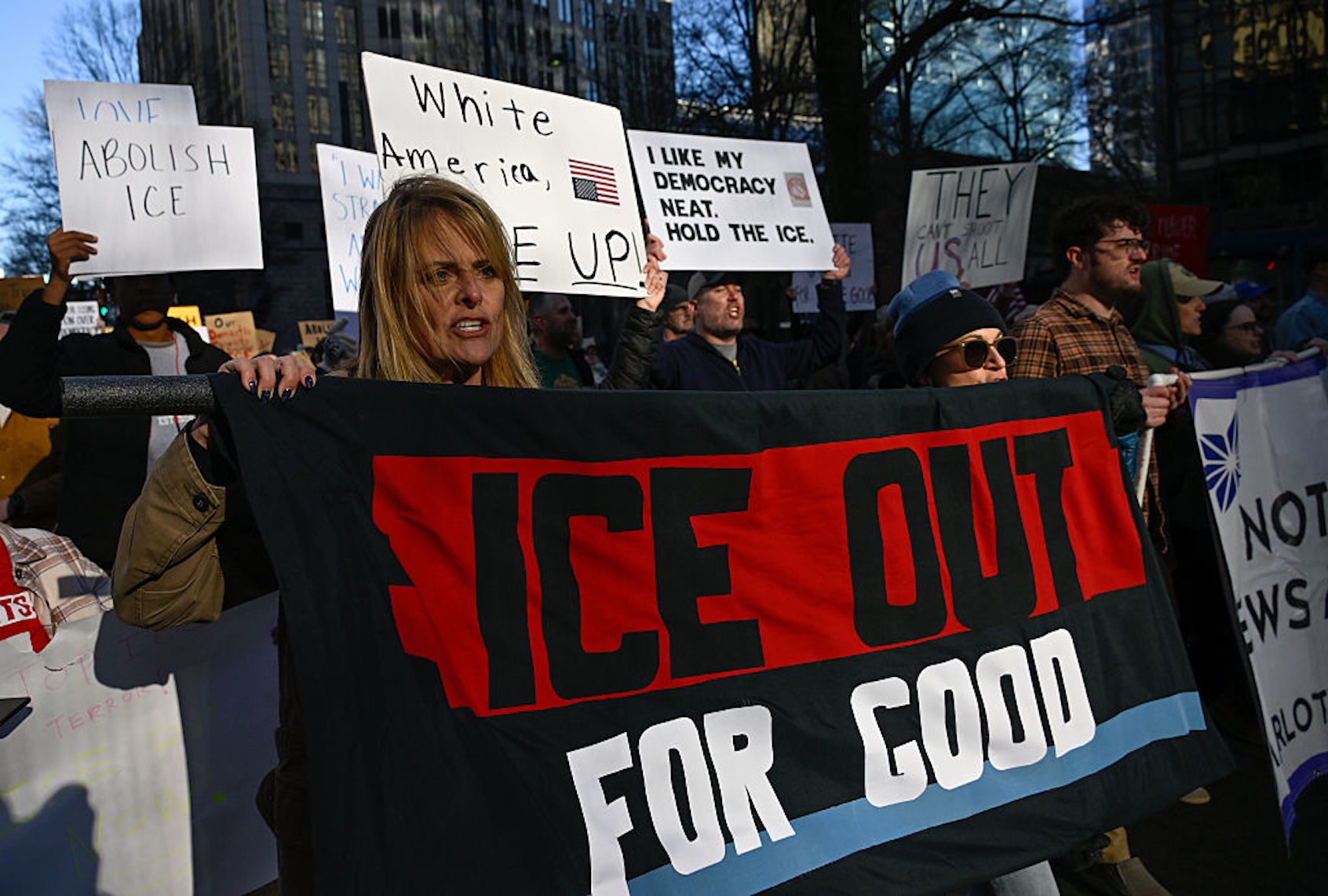
The establishment and expansion of the Immigration and Customs Enforcement (ICE) has raised significant concerns about the potential for authoritarianism in the United States. Created in 2003 as part of the Department of Homeland Security (DHS), ICE was initially intended to enhance national security in the wake of the September 11, 2001, terrorist attacks. Instead, it has developed into a powerful agency with broad powers that some critics argue have led to a systematic erosion of civil liberties.
The events of 9/11 fundamentally changed the landscape of American security and governance. In response to the attacks, Congress passed the USA Patriot Act within just 45 days, granting the government extensive surveillance powers while diminishing oversight designed to protect citizens’ civil liberties. This urgent reaction was fueled by fear and anxiety, leading to the rapid creation of new agencies, including DHS, which aimed to consolidate various existing entities under a single umbrella.
DHS was established during a time of heightened national anxiety, and the terminology surrounding it raised eyebrows. The term “Homeland” drew parallels to historical instances of authoritarian regimes, prompting concern among civil libertarians and historians. James Traub noted in the New York Times that the word evokes a sense of solidarity intertwined with blood ties and ancient rituals, contrasting sharply with the values upon which the United States was founded.
Despite these concerns, the agency expanded its reach significantly. ICE, designed to combat terrorism, quickly shifted its focus to immigration enforcement, further fueled by the political climate that emphasized strict immigration controls. Under President Barack Obama, ICE set records for deportations, targeting new immigrants while initially avoiding long-standing residents. This approach aimed to demonstrate a commitment to border security, hoping to garner bipartisan support for comprehensive immigration reform.
The situation escalated under President Donald Trump, whose administration increased ICE’s powers and scope. With guidance from senior advisor Stephen Miller, ICE’s operations intensified, leading to aggressive enforcement actions across the country. Reports of ICE officers conducting raids in communities, often in militarized attire, sparked outrage and fear among immigrant populations and their allies.
Tragically, the consequences of this shift have been dire. In a recent incident in Minneapolis, ICE officers shot and killed Renee Nicole Good, a citizen activist documenting their actions. This incident exemplifies the growing tension between federal enforcement agencies and communities, particularly among marginalized groups. Critics argue that such actions demonstrate an alarming trend towards the use of state power for political purposes rather than genuine law enforcement.
As ICE continues to operate with substantial funding and limited accountability, concerns about the potential for abuse of power mount. The agency’s operations often disproportionately affect Black, immigrant, and Muslim communities, raising questions about the motivations behind its actions.
The implications of a powerful domestic policing agency are profound. As civil liberties advocates warn, a centralized police force with unchecked authority poses a threat not only to individual rights but also to the very fabric of democracy. The risks are evident: if the government prioritizes enforcement over community trust and safety, the principles of democracy may be jeopardized.
The evolution of ICE and its role within DHS serves as a stark reminder of the delicate balance between security and freedom. As the nation reflects on its past and present, addressing the consequences of these policies will be essential to safeguarding democratic ideals. The future of American democracy may hinge on how society reconciles the need for security with the imperative of protecting civil liberties for all citizens.

South Korea Unveils Ramen Experiences for Tourists at Airports

Journalist Reveals ‘Sloppy’ ICE Hiring Experience in Urgent Interview

A$AP Rocky Unveils Track List for Upcoming Album ‘DON’T BE DUMB’

Comedy Show Promotes Mental Health Awareness in Loveland

Brooklyn Beckham and Nicola Peltz Set 2026’s Kitchen Trend with Marble

CMS Reveals $1.8 Billion in Improper Medicaid Spending on Immigrants

Chemists Uncover Structure of Tau Protein’s Fuzzy Coat

LIV Golf Implements Major Changes Ahead of Fifth Season

Niina Petrokina Dominates Short Program at European Skating Championships

University of Hawaiʻi Joins $25.6M AI Initiative to Monitor Disasters

Interstellar Object 3I/ATLAS Emits Unprecedented Metal Alloy

Toledo City League Announces Hall of Fame Inductees for 2024

Western Executives Confront Harsh Realities of China’s Manufacturing Edge

DOJ Seizes $15 Billion in Bitcoin from Major Crypto Fraud Network

Sharp Launches Five New Aquos QLED 4K Ultra HD Smart TVs

Mutual Advisors LLC Increases Stake in SPDR Portfolio ETF

Celtics Coach Joe Mazzulla Dominates Local Media in Scrimmage

Community Unites for 7th Annual Walk to Raise Mental Health Awareness
-
Science2 months ago
University of Hawaiʻi Joins $25.6M AI Initiative to Monitor Disasters
-
 Science3 months ago
Interstellar Object 3I/ATLAS Emits Unprecedented Metal Alloy
-
 Lifestyle3 months ago
Toledo City League Announces Hall of Fame Inductees for 2024
-
 Science3 months ago
Western Executives Confront Harsh Realities of China’s Manufacturing Edge
-
 Business3 months ago
DOJ Seizes $15 Billion in Bitcoin from Major Crypto Fraud Network
-
 Top Stories3 months ago
Sharp Launches Five New Aquos QLED 4K Ultra HD Smart TVs
-
 Politics3 months ago
Mutual Advisors LLC Increases Stake in SPDR Portfolio ETF
-
 Sports3 months ago
Celtics Coach Joe Mazzulla Dominates Local Media in Scrimmage
-
 Health3 months ago
Community Unites for 7th Annual Walk to Raise Mental Health Awareness
-
 Politics3 months ago
Major Networks Reject Pentagon’s New Reporting Guidelines
-

 World3 months ago
INK Entertainment Launches Exclusive Sofia Pop-Up at Virgin Hotels
-

 Top Stories3 months ago
Microsoft Releases Urgent Windows 11 25H2 Update for All Users