
World
Iran Expands Regional Influence While Accusing West of Coercion

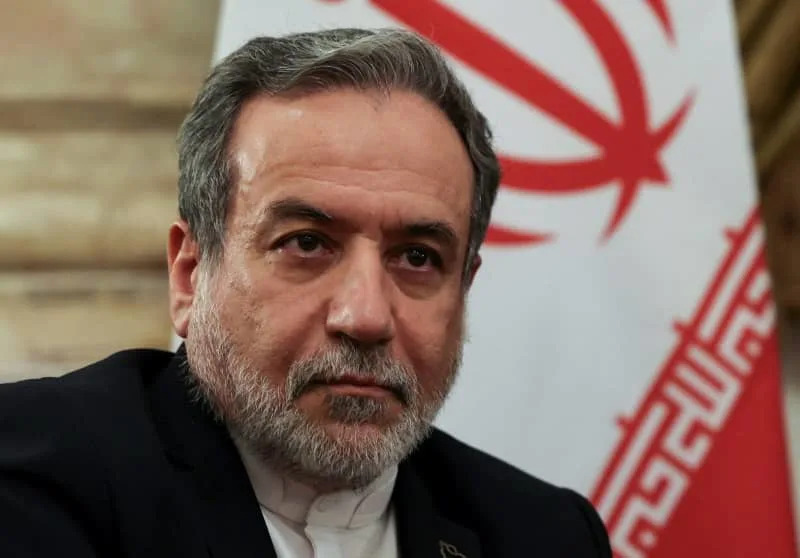
Iran is actively reinforcing its alliances in Iraq and Lebanon while accusing the United States and Israel of employing coercive diplomatic tactics. The Iranian government, under the leadership of Foreign Minister Abbas Araghchi, is intensifying outreach to its regional partners, framing discussions with the West as mere instruments of pressure.
During a recent international law conference in Tehran, officials from Iran and Lebanon convened to address key bilateral and regional concerns. Among those in attendance were Ali Hassan Khalil, the Political Advisor to the Lebanese Parliament Speaker, and various international delegations from nations such as France, Italy, and Russia. Reports from Iranian state media indicated that the conference drew around 350 delegates, highlighting Iran’s efforts to portray international law as under siege, allegedly due to actions by the US and its allies.
Iran’s strategy appears to be aimed at solidifying its position amid ongoing tensions with Western nations. The conference featured discussions on topics such as “International Law Under Siege: From a rules-based order to an order based on rules.” Criticism was directed towards Israel and the US for what was described as a betrayal of diplomatic norms.
Iran’s Position on Regional Conflicts
In addition to its diplomatic maneuvers, Iran has called for a global response to the ongoing conflict in Sudan, where armed clashes erupted on April 15, 2023, between the Sudanese army and the Rapid Support Forces (RSF). Iran has expressed support for the Sudanese army, a stance that may put it at odds with nations such as the UAE. According to the Iranian news agency IRNA, international mediation attempts have yet to yield results in resolving the conflict.
On the domestic front, Iran’s President congratulated Iraqi Prime Minister Shia al-Sudani on the success of his party in recent elections. Iran has historically backed Shi’ite militias in Iraq, and this connection is crucial for Tehran as it seeks to maintain influence in the region. The spokesperson for Iran’s leadership, Fatemeh Mohajerani, has been vocal in describing Western diplomatic efforts as coercive, indicating a commitment to a firmer stance against future aggressions.
In an interview with the pro-Iranian network Al-Mayadeen, Mohajerani emphasized Iran’s rejection of one-sided diplomacy and reaffirmed the country’s right to self-defense. She stated, “It is only natural for Iran to strengthen its missile capabilities to deter any renewed aggression,” in reference to recent tensions with the US and Israel. The Iranian leadership continues to engage with the International Atomic Energy Agency (IAEA) within the framework of the Nuclear Non-Proliferation Treaty, clarifying that Iran has not withdrawn from this agreement but has suspended its implementation.
Broader Implications for Iran’s Foreign Policy
The Iranian government’s approach reflects a broader strategy shaped by decades of Western sanctions. Mohajerani highlighted the strengthening of ties with China, noting that trade volumes have significantly increased. This relationship spans various sectors, suggesting a comprehensive partnership that extends beyond mere economic interactions.
In a notable address, former Iranian Foreign Minister Javad Zarif articulated concerns that peace initiatives in the region pose a threat to Israel. He questioned the timing of Israeli military actions against Iran, suggesting a deliberate strategy to undermine negotiations with the US. Zarif posited that for Israel, “peace is a vital threat” and that the narrative surrounding Iran is constructed to serve its own geopolitical interests.
As Iran continues to assert its influence in the region and challenge Western narratives, the implications of its actions could have significant repercussions for security dynamics in the Middle East. The ongoing developments indicate a complex landscape where diplomatic relations and military strategies intertwine, shaping the future of Iran’s regional positioning.

Japan’s PM Takaichi Confirms Continued Fiscal Management Strategy

Bitcoin Plummets Below $88K Amid Tether Concerns and Warnings

Designers Unveil 5 Urgent Tricks to Transform Outdoor Eyesores

Shark Teeth Research Reveals Urgent Need to Protect Species

Church Members Unite in Resilience After Thanksgiving Fire

Community Unites to Attempt World Record for Largest Cookie Exchange

Mayor Lurie Appoints Alan Wong to District 4 Seat Amid Controversy

Mayor Appoints Alan Wong as New Supervisor for District 4

UK Report Reveals AI’s Role in Evaluating University Research Quality

University of Hawaiʻi Joins $25.6M AI Initiative to Monitor Disasters

Toledo City League Announces Hall of Fame Inductees for 2024

DOJ Seizes $15 Billion in Bitcoin from Major Crypto Fraud Network

Sharp Launches Five New Aquos QLED 4K Ultra HD Smart TVs

Celtics Coach Joe Mazzulla Dominates Local Media in Scrimmage

Mutual Advisors LLC Increases Stake in SPDR Portfolio ETF

Community Unites for 7th Annual Walk to Raise Mental Health Awareness

Western Executives Confront Harsh Realities of China’s Manufacturing Edge

Major Networks Reject Pentagon’s New Reporting Guidelines
-
Science4 weeks ago
University of Hawaiʻi Joins $25.6M AI Initiative to Monitor Disasters
-
 Lifestyle2 months ago
Toledo City League Announces Hall of Fame Inductees for 2024
-
 Business2 months ago
DOJ Seizes $15 Billion in Bitcoin from Major Crypto Fraud Network
-
 Top Stories2 months ago
Sharp Launches Five New Aquos QLED 4K Ultra HD Smart TVs
-
 Sports2 months ago
Celtics Coach Joe Mazzulla Dominates Local Media in Scrimmage
-
 Politics2 months ago
Mutual Advisors LLC Increases Stake in SPDR Portfolio ETF
-
 Health2 months ago
Community Unites for 7th Annual Walk to Raise Mental Health Awareness
-
 Science2 months ago
Western Executives Confront Harsh Realities of China’s Manufacturing Edge
-
 Politics2 months ago
Major Networks Reject Pentagon’s New Reporting Guidelines
-

 World2 months ago
INK Entertainment Launches Exclusive Sofia Pop-Up at Virgin Hotels
-

 Science1 month ago
Astronomers Discover Twin Cosmic Rings Dwarfing Galaxies
-

 Top Stories1 month ago
Randi Mahomes Launches Game Day Clothing Line with Chiefs