
World
Korean War Aviator John Koelsch: First Helicopter Pilot to Earn MOH

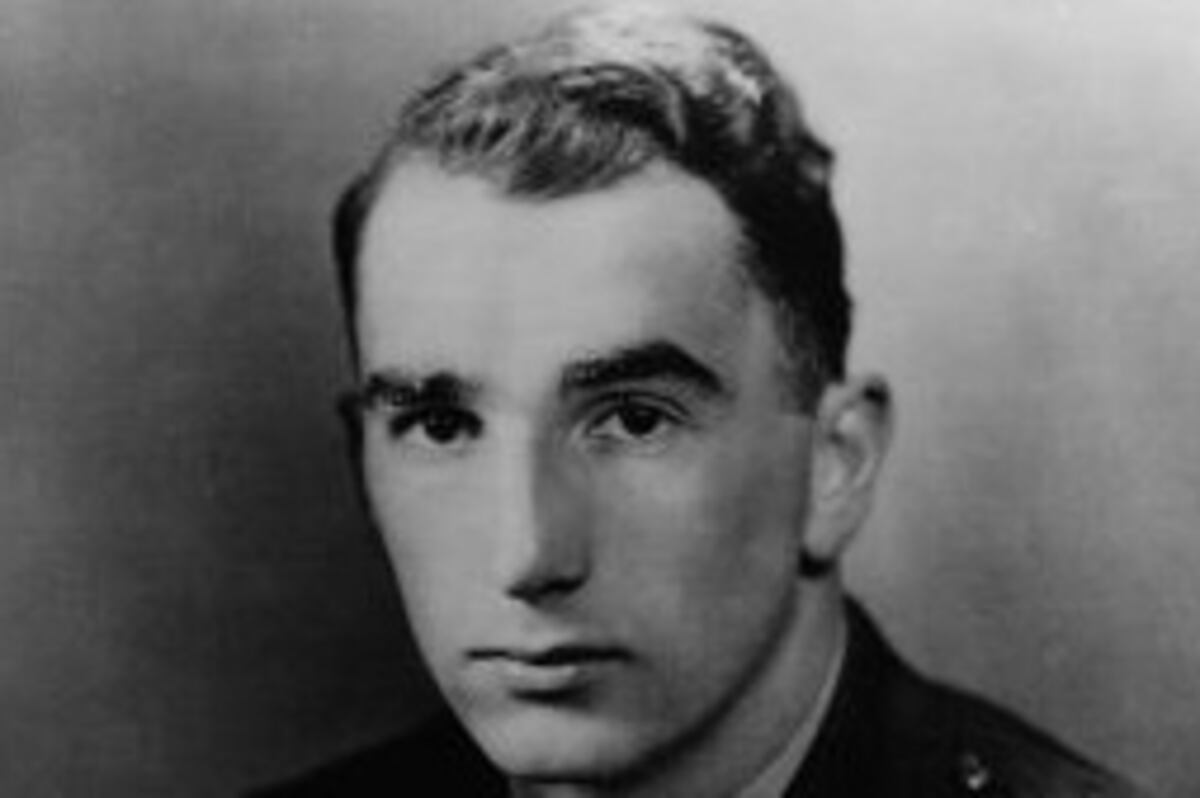
John Koelsch, a distinguished aviator from the Korean War, became the first helicopter pilot to receive the Medal of Honor (MOH) for his heroism during a daring rescue mission. Koelsch’s remarkable efforts highlighted the evolving capabilities of rotary-wing aircraft, particularly the Sikorsky S-61, which played a crucial role in rescue operations during the conflict.
The Sikorsky S-61, an advancement over the earlier Sikorsky R-4, first took to the skies in February 1946. Four years later, it faced its first major test when North Korea invaded South Korea on June 25, 1950. Among the pilots who demonstrated the helicopter’s potential was John Koelsch, born on December 22, 1923, in London, England, to American parents. His family relocated to Briarcliff Manor, New York, when he was just a year old.
Koelsch began his college education at Princeton University on September 1, 1941. However, with the United States entering World War II, he enlisted in the United States Naval Reserve on September 14, 1942, and shifted his focus to aviation. He earned his ensign’s commission on October 23, 1944, serving in the Pacific theater and flying TBM Avengers.
After the war, Koelsch returned to Princeton and completed his degree in 1949. Initially planning a career in law, he quickly pivoted back to military service when the Korean conflict erupted. He applied for a transfer from reserve to active duty, transitioning to helicopter operations.
While stationed aboard the USS Princeton, Koelsch distinguished himself by rescuing crew members and developing innovative devices to assist in operations during the harsh winter conditions in Korea. His efforts culminated in a memorable mission on July 3, 1951, when Koelsch was tasked with rescuing Marine Captain James V. Wilkins, whose Vought F4U Corsair had been downed by North Korean anti-aircraft fire.
Despite the perilous circumstances, including thick clouds and heavy enemy fire, Koelsch and his crewmate, Petty Officer 3rd Class George Neal, launched their helicopter into hostile territory. The duo managed to locate Wilkins, who had sustained severe injuries. Neal bravely descended to assist Wilkins but, as they attempted to lift off, enemy fire struck their helicopter, forcing it to crash on a mountaintop.
Miraculously, Koelsch and Neal survived the crash, and for the next nine days, Koelsch provided care to Wilkins with limited resources until they were discovered and taken prisoner. While Koelsch faced brutal interrogation, he remained steadfast, refusing to divulge information. Tragically, records indicate that he succumbed to malnutrition and dysentery on October 16, 1951, while still in captivity.
On August 3, 1955, Koelsch was posthumously awarded the Medal of Honor, marking a historic moment as he became the first helicopter pilot to receive this prestigious accolade. In addition, he was honored with the Purple Heart and the POW Medal. On June 8, 1965, the U.S. Navy named a destroyer escort after him, the Koelsch (DE-1049), which was later redesignated as a missile frigate (FF-1049) in 1975.
Neal, who also made history as one of the first Black helicopter crewmen in the Navy, received the Navy Cross for his courage during the rescue. He passed away on December 1, 2016, at the age of 86. Both Koelsch and Neal were interred at Arlington National Cemetery, a testament to their bravery and service.
Koelsch’s legacy endures as a symbol of heroism and innovation in military aviation, paving the way for future generations of aviators. His story serves as a reminder of the sacrifices made by those who serve in the armed forces and the advancements in technology that have transformed military operations.

Knicks Dominate Raptors 116-94 at Home, Extend Winning Streak

Hallmark’s ‘Christmas at the Catnip Café’ Premieres Tonight!

Millville Woman Arrested for Threatening U-Haul Worker with Baton

Japan’s PM Takaichi Confirms Continued Fiscal Management Strategy

Bitcoin Plummets Below $88K Amid Tether Concerns and Warnings

Designers Unveil 5 Urgent Tricks to Transform Outdoor Eyesores

Shark Teeth Research Reveals Urgent Need to Protect Species

Church Members Unite in Resilience After Thanksgiving Fire

Community Unites to Attempt World Record for Largest Cookie Exchange

University of Hawaiʻi Joins $25.6M AI Initiative to Monitor Disasters

Toledo City League Announces Hall of Fame Inductees for 2024

DOJ Seizes $15 Billion in Bitcoin from Major Crypto Fraud Network

Sharp Launches Five New Aquos QLED 4K Ultra HD Smart TVs

Celtics Coach Joe Mazzulla Dominates Local Media in Scrimmage

Mutual Advisors LLC Increases Stake in SPDR Portfolio ETF

Community Unites for 7th Annual Walk to Raise Mental Health Awareness

Western Executives Confront Harsh Realities of China’s Manufacturing Edge

Major Networks Reject Pentagon’s New Reporting Guidelines
-
Science4 weeks ago
University of Hawaiʻi Joins $25.6M AI Initiative to Monitor Disasters
-
 Lifestyle2 months ago
Toledo City League Announces Hall of Fame Inductees for 2024
-
 Business2 months ago
DOJ Seizes $15 Billion in Bitcoin from Major Crypto Fraud Network
-
 Top Stories2 months ago
Sharp Launches Five New Aquos QLED 4K Ultra HD Smart TVs
-
 Sports2 months ago
Celtics Coach Joe Mazzulla Dominates Local Media in Scrimmage
-
 Politics2 months ago
Mutual Advisors LLC Increases Stake in SPDR Portfolio ETF
-
 Health2 months ago
Community Unites for 7th Annual Walk to Raise Mental Health Awareness
-
 Science2 months ago
Western Executives Confront Harsh Realities of China’s Manufacturing Edge
-
 Politics2 months ago
Major Networks Reject Pentagon’s New Reporting Guidelines
-

 World2 months ago
INK Entertainment Launches Exclusive Sofia Pop-Up at Virgin Hotels
-

 Science1 month ago
Astronomers Discover Twin Cosmic Rings Dwarfing Galaxies
-

 Top Stories1 month ago
Randi Mahomes Launches Game Day Clothing Line with Chiefs