
World
Pennsylvania Reinforces Biosecurity to Safeguard Poultry Industry

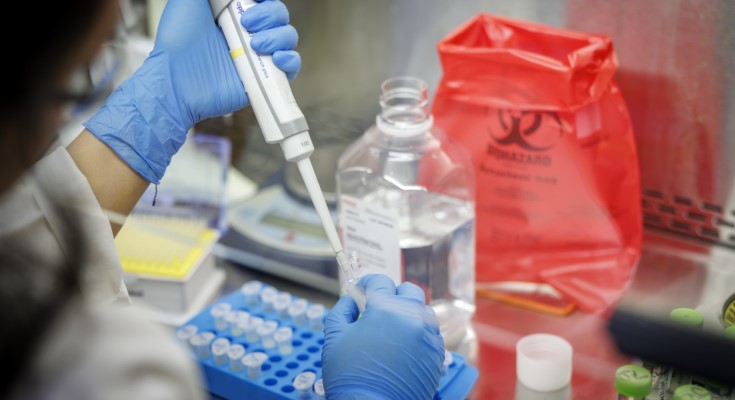
State agriculture officials in Pennsylvania are intensifying efforts to combat the ongoing threat of avian influenza, which poses significant risks to the state’s poultry industry valued at approximately $7.1 billion. During a recent tour of the Pennsylvania Veterinary Laboratory in Harrisburg, Lisa Graybeal, Deputy Secretary for Animal Health and Food Safety, emphasized the importance of early detection and rigorous biosecurity measures in preventing the spread of Highly Pathogenic Avian Influenza (HPAI).
The urgency of this initiative comes in light of confirmed infections at six poultry farms in Lancaster County, affecting nearly 58,000 birds. Since the onset of the latest HPAI outbreak in February 2022, Pennsylvania has reported a loss of more than 7.1 million birds across 100 flocks in 23 counties, marking one of the most severe animal health crises in the state’s history.
Graybeal praised the state’s coordinated approach, stating that investments in laboratory testing have played a crucial role in minimizing losses and maintaining consumer confidence in Pennsylvania’s poultry products. “Testing to monitor and detect avian influenza has been an indispensable tool to minimize damage during what has been the biggest animal health crisis in American history,” Graybeal remarked. “Our veterinary teams, farmers, and state partners have shown unwavering commitment to recovery and prevention.”
Laboratory Capacity and Biosecurity Measures
Pennsylvania operates three diagnostic facilities located in Harrisburg, University Park, and Kennett Square, which collectively processed over 672,000 animal health samples in the past year. A fourth laboratory, currently under renovation at Penn State’s Beaver Campus, is expected to enhance testing capacity and improve response times, backed by a $6 million investment in the 2024–25 budget and an additional $2 million proposed for next year’s operations.
State Veterinarian Dr. Alex Hamberg highlighted the importance of biosecurity on farms, asserting that effective disease prevention relies on adherence to established protocols. “When every farm has a biosecurity plan and everyone who enters follows it, disease risks are lower and recovery is quicker,” Hamberg said.
To support affected producers, the Shapiro Administration has allocated nearly $15.7 million in HPAI Recovery Grants to 292 applicants. Additionally, $59.6 million remains in reserve for future assistance. The administration’s budget proposal for 2025–26 includes an extra $11 million aimed at sustaining funding for recovery and prevention initiatives.
Implications for the Poultry Industry
Industry leaders have recognized the critical role of state support in navigating this crisis. Chris Herr, Executive Vice President of PennAg Industries, remarked, “Pennsylvania has set a gold standard for animal disease response. Our labs, grants, and coordinated response ensure that poultry farmers can recover and stay in business.”
As migratory birds, known vectors for HPAI, begin to pass through Pennsylvania, the coming months are deemed vital. Experts warn that renewed infections could disrupt poultry exports, tighten egg supplies, and potentially increase food prices. Nevertheless, the state’s expanded testing network and recovery funding are anticipated to reduce economic impacts and foster long-term stability within the poultry sector.
With poultry ranking among Pennsylvania’s top agricultural industries, maintaining consumer confidence and supporting farmers remains a priority. The state’s comprehensive approach to surveillance and funding could serve as a model for other agricultural regions facing similar biosecurity challenges.

Hallmark’s ‘Christmas at the Catnip Café’ Premieres Tonight!

Millville Woman Arrested for Threatening U-Haul Worker with Baton

Japan’s PM Takaichi Confirms Continued Fiscal Management Strategy

Bitcoin Plummets Below $88K Amid Tether Concerns and Warnings

Designers Unveil 5 Urgent Tricks to Transform Outdoor Eyesores

Shark Teeth Research Reveals Urgent Need to Protect Species

Church Members Unite in Resilience After Thanksgiving Fire

Community Unites to Attempt World Record for Largest Cookie Exchange

Mayor Lurie Appoints Alan Wong to District 4 Seat Amid Controversy

University of Hawaiʻi Joins $25.6M AI Initiative to Monitor Disasters

Toledo City League Announces Hall of Fame Inductees for 2024

DOJ Seizes $15 Billion in Bitcoin from Major Crypto Fraud Network

Sharp Launches Five New Aquos QLED 4K Ultra HD Smart TVs

Celtics Coach Joe Mazzulla Dominates Local Media in Scrimmage

Community Unites for 7th Annual Walk to Raise Mental Health Awareness

Mutual Advisors LLC Increases Stake in SPDR Portfolio ETF

Western Executives Confront Harsh Realities of China’s Manufacturing Edge

INK Entertainment Launches Exclusive Sofia Pop-Up at Virgin Hotels
-
Science4 weeks ago
University of Hawaiʻi Joins $25.6M AI Initiative to Monitor Disasters
-
 Lifestyle2 months ago
Toledo City League Announces Hall of Fame Inductees for 2024
-
 Business2 months ago
DOJ Seizes $15 Billion in Bitcoin from Major Crypto Fraud Network
-
 Top Stories2 months ago
Sharp Launches Five New Aquos QLED 4K Ultra HD Smart TVs
-
 Sports2 months ago
Celtics Coach Joe Mazzulla Dominates Local Media in Scrimmage
-
 Health2 months ago
Community Unites for 7th Annual Walk to Raise Mental Health Awareness
-
 Politics2 months ago
Mutual Advisors LLC Increases Stake in SPDR Portfolio ETF
-
 Science2 months ago
Western Executives Confront Harsh Realities of China’s Manufacturing Edge
-
 World2 months ago
INK Entertainment Launches Exclusive Sofia Pop-Up at Virgin Hotels
-

 Politics2 months ago
Major Networks Reject Pentagon’s New Reporting Guidelines
-

 Science1 month ago
Astronomers Discover Twin Cosmic Rings Dwarfing Galaxies
-

 Top Stories1 month ago
Randi Mahomes Launches Game Day Clothing Line with Chiefs