
World
Pivotal Moment for Middle East Peace Requires Urgent Action

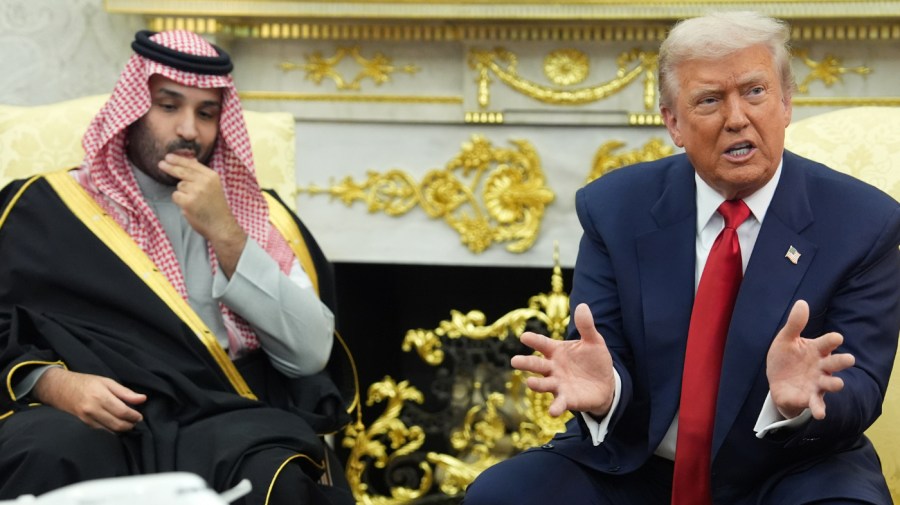
The Middle East is at a crucial juncture as diplomatic efforts intensify to resolve longstanding conflicts between Israel and Palestine. On March 15, 2024, a significant meeting involving key international stakeholders, including representatives from the United Nations, the European Union, and the Arab League, aims to address pressing issues that have hindered peace initiatives for decades.
The stakes are exceptionally high. As tensions escalate and violence continues to erupt, the opportunity for meaningful dialogue may be fleeting. This meeting seeks to create a framework for renewed negotiations and to establish a roadmap toward a lasting peace agreement.
International Stakeholders Unite
The upcoming discussions will bring together crucial players from both regional and international arenas. The United States has reaffirmed its commitment to facilitating these talks, emphasizing the importance of a two-state solution that acknowledges the rights and aspirations of both Israelis and Palestinians.
Officials from the Gulf Cooperation Council are also expected to participate, highlighting the growing recognition of the necessity for broader Arab engagement in the peace process. The involvement of these regional powers could potentially shift the dynamics of negotiations, given their influence on both parties.
Recent reports indicate that public sentiment in the region is shifting, with many citizens expressing a desire for peace and stability over conflict. According to a survey conducted by the Middle East Institute, over 70% of respondents in both Israel and Palestine favor diplomatic solutions. This growing appetite for peace underscores the urgency of the impending discussions.
Challenges Ahead
Despite the optimism surrounding the upcoming meeting, significant challenges remain. Historical grievances, territorial disputes, and security concerns are deeply embedded in the fabric of the conflict. Both sides harbor mistrust, making it difficult to forge a united front.
Moreover, the geopolitical landscape is complicated by external influences. As various nations assert their interests in the region, the potential for competing agendas could further complicate efforts. Analysts warn that any failure to reach an agreement could exacerbate tensions, leading to increased violence and instability.
International observers are closely monitoring the situation, recognizing that the outcome of these discussions could have far-reaching implications not only for the Middle East but also for global peace and security. The potential for a breakthrough is palpable, but it requires a concerted effort from all parties involved.
As the meeting approaches, it is essential for leaders to prioritize dialogue over division. The opportunity for peace is within reach, but it demands courage, compromise, and a commitment to a shared future. The world will be watching as the discussions unfold, hopeful for a turning point in the quest for lasting peace in the Middle East.

Community Unites to Attempt World Record for Largest Cookie Exchange

Mayor Lurie Appoints Alan Wong to District 4 Seat Amid Controversy

Mayor Appoints Alan Wong as New Supervisor for District 4

UK Report Reveals AI’s Role in Evaluating University Research Quality

Gabriela Jaquez Shines as No. 3 UCLA Dominates No. 14 Tennessee

Trump Promises to Release MRI Results Despite Uncertainty on Scan

Japan’s Q3 Capital Expenditure Slows Despite Surge in Profits

South Korea Announces Urgent FX Oversight Measures to Stabilize Won

Tampa’s Annual Tree Lighting Ignites Holiday Spirit Tonight

University of Hawaiʻi Joins $25.6M AI Initiative to Monitor Disasters

Toledo City League Announces Hall of Fame Inductees for 2024

DOJ Seizes $15 Billion in Bitcoin from Major Crypto Fraud Network

Sharp Launches Five New Aquos QLED 4K Ultra HD Smart TVs

Celtics Coach Joe Mazzulla Dominates Local Media in Scrimmage

Community Unites for 7th Annual Walk to Raise Mental Health Awareness

Mutual Advisors LLC Increases Stake in SPDR Portfolio ETF

Western Executives Confront Harsh Realities of China’s Manufacturing Edge

INK Entertainment Launches Exclusive Sofia Pop-Up at Virgin Hotels
-
Science4 weeks ago
University of Hawaiʻi Joins $25.6M AI Initiative to Monitor Disasters
-
 Lifestyle2 months ago
Toledo City League Announces Hall of Fame Inductees for 2024
-
 Business2 months ago
DOJ Seizes $15 Billion in Bitcoin from Major Crypto Fraud Network
-
 Top Stories2 months ago
Sharp Launches Five New Aquos QLED 4K Ultra HD Smart TVs
-
 Sports2 months ago
Celtics Coach Joe Mazzulla Dominates Local Media in Scrimmage
-
 Health2 months ago
Community Unites for 7th Annual Walk to Raise Mental Health Awareness
-
 Politics2 months ago
Mutual Advisors LLC Increases Stake in SPDR Portfolio ETF
-
 Science2 months ago
Western Executives Confront Harsh Realities of China’s Manufacturing Edge
-
 World2 months ago
INK Entertainment Launches Exclusive Sofia Pop-Up at Virgin Hotels
-

 Politics2 months ago
Major Networks Reject Pentagon’s New Reporting Guidelines
-

 Science1 month ago
Astronomers Discover Twin Cosmic Rings Dwarfing Galaxies
-

 Top Stories1 month ago
Randi Mahomes Launches Game Day Clothing Line with Chiefs