
World
Russian Tanker Attacked Off Turkish Coast Amid Ukraine Strikes

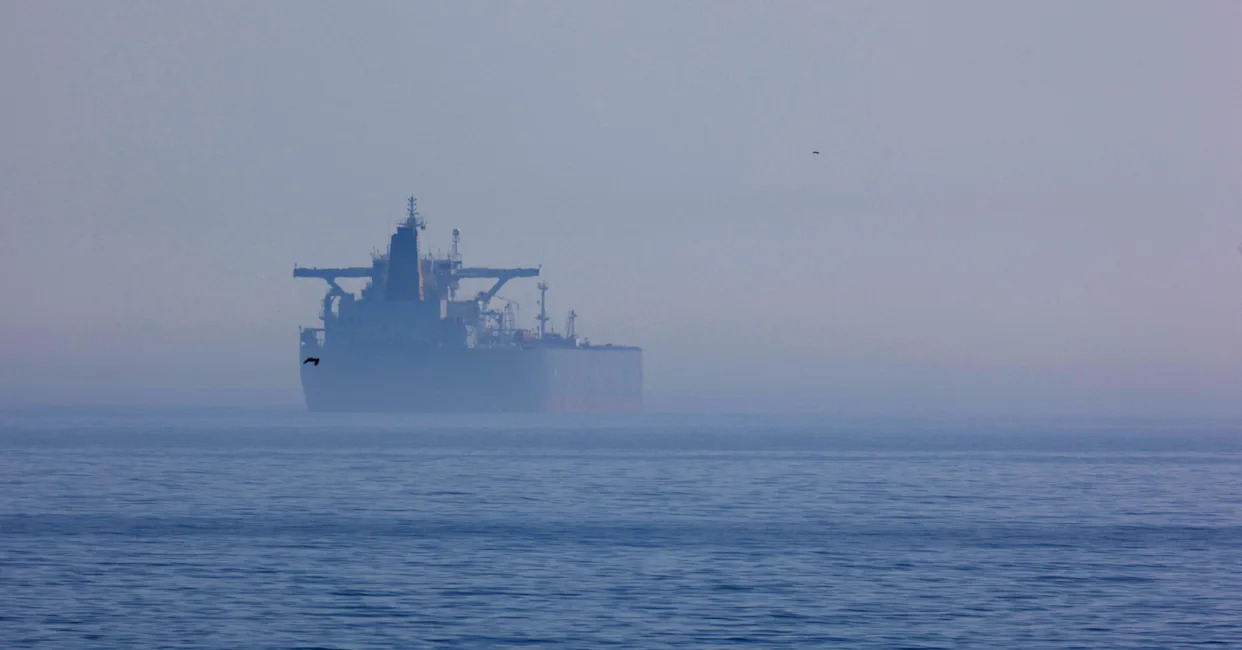
A Russian-flagged tanker, the Midvolga-2, reported being attacked in the Black Sea near Turkey, marking the third such incident involving Russian vessels within a week. The Turkish Directorate General of Maritime Affairs confirmed that the tanker was targeted approximately 130 km (about 80 miles) from the Turkish coastline. It was reportedly carrying sunflower oil destined for Georgia.
This attack follows recent strikes by Ukrainian naval drones aimed at two other Russian-flagged vessels, which Ukraine claims are part of a “shadow fleet” transporting crude oil in violation of international sanctions. The escalation prompted Turkish President Recep Tayyip Erdogan to express concerns over the potential ramifications for commercial shipping in the Black Sea, labeling the situation as a “worrying escalation” of the ongoing conflict.
Fortunately, all 13 crew members of the Midvolga-2 were unharmed, and the vessel did not require assistance as it continued its course towards Sinop port. Turkish officials have not provided further details about the attack, but reports from Turkish news outlet NTV indicated that a kamikaze drone was used in the incident. In response, a Turkish official informed Reuters that communications had been established with relevant parties, including Ukrainian authorities.
Continued Tensions in the Black Sea
Earlier on the same day, Ukrainian forces targeted the Kairos and the Virat, which were en route to a Russian port for oil loading intended for foreign markets. According to a report from the Centre for Research on Energy and Clean Air (CREA), a Helsinki-based think tank, a total of 113 vessels have operated under false flags in the first nine months of this year, transporting approximately 11 million tonnes of Russian crude oil, valued at €4.7 billion (around $5.4 billion).
Turkey, a NATO member, has managed to maintain diplomatic relations with both Ukraine and Russia throughout the conflict, which escalated following Russia’s invasion of Ukraine in February 2022. Ankara has positioned itself as a mediator, hosting multiple peace talks while providing military support to Ukraine. Despite these efforts, Turkey has refrained from enforcing Western sanctions against Russia and emphasizes the need for navigational security in the Black Sea.
Erdogan stated in a televised address that Turkey cannot tolerate attacks that jeopardize navigational safety, life, and the environment within its exclusive economic zone. He reiterated that warnings had been issued to all involved parties to ensure safety in the region.
Ukraine’s Offensive Strategy
In recent months, Ukraine has intensified its efforts to disrupt Russia’s oil supply chain as part of a broader strategy to undermine Moscow’s financial resources for the ongoing war. The Ukrainian military has specifically targeted Russian refineries and crude oil terminals, aiming to cripple the nation’s energy infrastructure.
In a statement on Sunday, Russia’s foreign ministry condemned the Ukrainian attacks on oil tankers, describing them as “acts of terrorism” that threaten freedom of navigation in the Black Sea. In related developments, Ukrainian drone strikes have also led to a fire at an oil facility in the southern Russian region of Oryol, further escalating tensions in the area.
As the conflict continues to unfold, the implications of these maritime incidents are likely to reverberate across regional and international waters, raising concerns about safety and stability in one of the world’s most strategically significant waterways.

Studio Zag Teams with F1 Icon Carmen Jorda for New Film

Community Mourns Babette “Babs” Rosenthal, 84, Local Leader

Russian Tanker Attacked Off Turkish Coast Amid Ukraine Strikes

Nazareth Area School Board Approves Condemnation of Cheese Site

Justin Lin Takes the Helm as Director for Helldivers Movie

Unlock Major Savings: Travel Tuesday Deals for 2025 Await

Supreme Court to Decide on Nonprofit Donor Privacy Case

Giving Tuesday 2025: Surge in Donations Expected on Dec 2

ECB’s Nagel Confirms Eurozone Inflation Near Target, Growth Ahead

University of Hawaiʻi Joins $25.6M AI Initiative to Monitor Disasters

Toledo City League Announces Hall of Fame Inductees for 2024

DOJ Seizes $15 Billion in Bitcoin from Major Crypto Fraud Network

Sharp Launches Five New Aquos QLED 4K Ultra HD Smart TVs

Celtics Coach Joe Mazzulla Dominates Local Media in Scrimmage

Mutual Advisors LLC Increases Stake in SPDR Portfolio ETF

Community Unites for 7th Annual Walk to Raise Mental Health Awareness

Western Executives Confront Harsh Realities of China’s Manufacturing Edge

INK Entertainment Launches Exclusive Sofia Pop-Up at Virgin Hotels
-
Science4 weeks ago
University of Hawaiʻi Joins $25.6M AI Initiative to Monitor Disasters
-
 Lifestyle2 months ago
Toledo City League Announces Hall of Fame Inductees for 2024
-
 Business2 months ago
DOJ Seizes $15 Billion in Bitcoin from Major Crypto Fraud Network
-
 Top Stories2 months ago
Sharp Launches Five New Aquos QLED 4K Ultra HD Smart TVs
-
 Sports2 months ago
Celtics Coach Joe Mazzulla Dominates Local Media in Scrimmage
-
 Politics2 months ago
Mutual Advisors LLC Increases Stake in SPDR Portfolio ETF
-
 Health2 months ago
Community Unites for 7th Annual Walk to Raise Mental Health Awareness
-
 Science2 months ago
Western Executives Confront Harsh Realities of China’s Manufacturing Edge
-
 World2 months ago
INK Entertainment Launches Exclusive Sofia Pop-Up at Virgin Hotels
-

 Politics2 months ago
Major Networks Reject Pentagon’s New Reporting Guidelines
-

 Science1 month ago
Astronomers Discover Twin Cosmic Rings Dwarfing Galaxies
-

 Top Stories1 month ago
Randi Mahomes Launches Game Day Clothing Line with Chiefs