
World
South Korean Shipyards Offer Solutions to US Navy’s Crisis

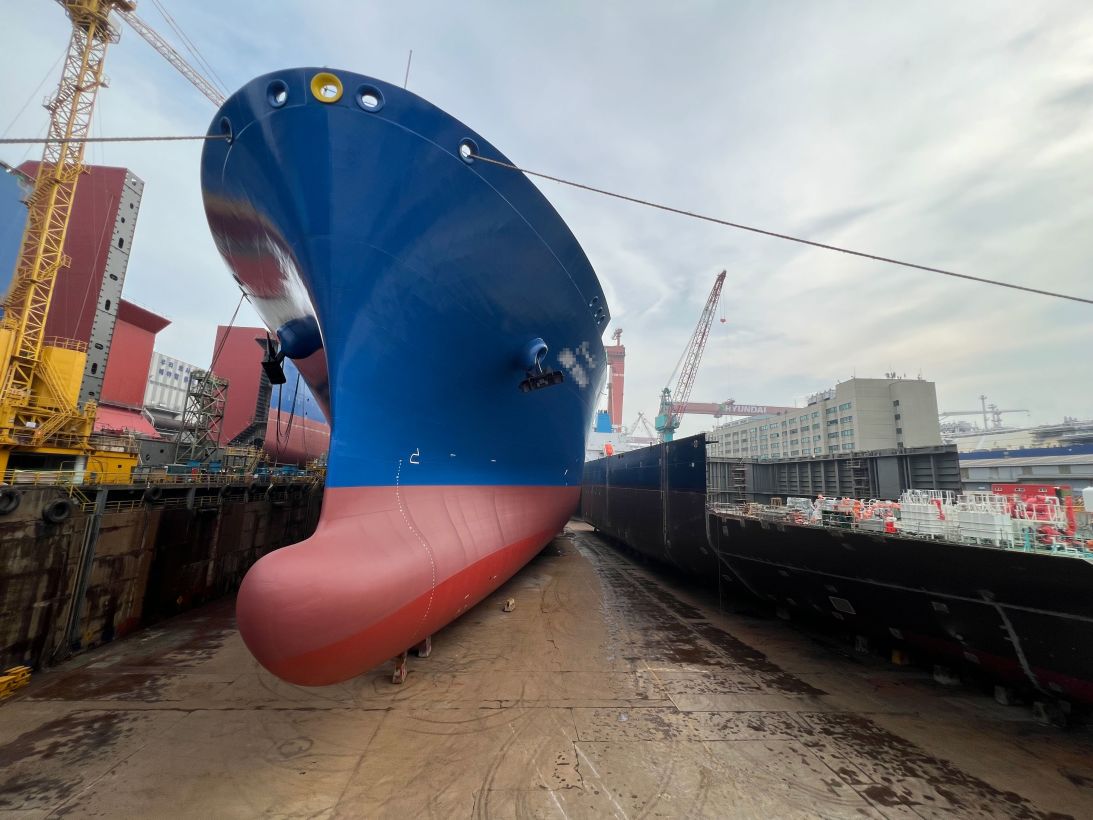
The US Navy faces significant challenges in its shipbuilding programs, with delays and cost overruns becoming increasingly common. In response, South Korean shipbuilders, notably HD Hyundai Heavy Industries and Hanwha Ocean, are stepping forward, confident they can assist in revitalizing American naval construction.
During a recent visit to their facilities in Ulsan and Geoje, officials showcased their capabilities in producing advanced warships for the South Korean navy on schedule and within budget. They expressed readiness to share their expertise in building guided-missile destroyers, frigates, and submarines, particularly as the US Navy grapples with a growing fleet of Chinese naval vessels.
In testimony before a US House hearing in June, John Phelan, the US Secretary of the Navy, described the situation as dire, stating, “All of our programs are a mess.” He highlighted that the Navy’s best-performing program was six months behind schedule and 57% over budget. This revelation underscores the long-standing issues plaguing US shipbuilding, which has consistently struggled with timely delivery and financial overruns.
South Korea’s Shipbuilding Efficiency
The contrast between US and South Korean shipbuilding is stark. South Korea has emerged as a shipbuilding powerhouse, capable of delivering vessels efficiently. At the Hanwha shipyard, new facilities have been constructed to fulfill an order for four frigates from the South Korean navy, with one building completed in just 14 months.
The 122-meter-long, 3,100-ton frigates will include vertical launch systems for air defense and capabilities for launching anti-ship missiles and torpedoes. Each frigate will take approximately three years to complete, a timeline that aligns with the delays affecting the US Navy’s Constellation-class frigate program. The US program has suffered from excessive modifications to a design initially used by the Italian and French navies, contributing to its setbacks.
South Korean shipbuilders attribute their success to several factors, including a highly skilled workforce and streamlined logistics. Lee Jin, vice president at HD Hyundai Heavy Industries, noted that the average employee at their facility has 16 years of experience, offering a depth of expertise that enhances productivity.
Sal Mercogliano, a shipping expert at Campbell University, emphasized that the ability of Korean shipyards to alternate between military and commercial projects allows them to maintain a stable workforce. This flexibility is a stark contrast to US practices, where focus on military contracts alone has led to a decline in shipbuilding capabilities.
President Donald Trump has recognized the situation, stating during a summit with South Korean President Lee Jae Myung that the US had made a mistake by outsourcing commercial shipbuilding in the years following World War II, thereby sacrificing its shipbuilding industry.
Future Collaborations and Challenges
The potential for collaboration between US and South Korean shipbuilders is growing. Hanwha has made significant investments in the US, including the acquisition of Philly Shipyard in Pennsylvania, where they plan to invest $5 billion to expand operations for both commercial and military projects. Hyundai also aims to increase its presence in the US market.
However, American laws currently restrict the Navy from purchasing foreign-built ships or constructing vessels abroad, complicating potential partnerships. The recent immigration raid at a Korean battery plant in Georgia has further strained US-Korean relations, raising concerns about future cooperation.
Despite these hurdles, there are signs of progress. A recent agreement between the US and Finland to construct icebreakers in Finnish shipyards could serve as a model for future naval shipbuilding collaborations. While different regulations govern the Navy and Coast Guard, the prospect of easing requirements for commercial or auxiliary naval vessels may open pathways for cooperation.
Mercogliano believes that there exists a great potential for building ships in South Korea and eventually transitioning that knowledge back to the United States. When asked about the possibility of US warships being constructed at the Geoje shipyard, Jeon Yu-su, General Manager of Hanwha Ocean, responded affirmatively, “Yes!”
As the US Navy navigates its shipbuilding crisis, the willingness of South Korean companies to share their expertise may provide a viable path forward. The response from the US government and Congress will be critical in determining the future of shipbuilding in both nations.

Chinese Researchers Develop Accurate Lunar Clock Incorporating Relativity

Falcons Miss Out on Harbaugh as Giants Secure Coach for 2026

China’s Central Bank Cuts Rates to Support Strategic Sectors

AAR Corp. Secures “Buy” Consensus Rating from Analysts

Sydney Sweeney’s Daring Look in Euphoria Season 3 Sparks Buzz

Legacy of Hepatitis B Vaccine Innovator Faces New Challenges

Harden Declares Clippers Ready to Surge Back into Playoffs

Salesforce CEO Calls AI-Related Suicides ‘Darkest Aspect’ of Tech

Navigating Family Dynamics: Finding Your Voice Amid Exclusion

University of Hawaiʻi Joins $25.6M AI Initiative to Monitor Disasters

Interstellar Object 3I/ATLAS Emits Unprecedented Metal Alloy

Toledo City League Announces Hall of Fame Inductees for 2024

DOJ Seizes $15 Billion in Bitcoin from Major Crypto Fraud Network

Western Executives Confront Harsh Realities of China’s Manufacturing Edge

Sharp Launches Five New Aquos QLED 4K Ultra HD Smart TVs

Mutual Advisors LLC Increases Stake in SPDR Portfolio ETF

Celtics Coach Joe Mazzulla Dominates Local Media in Scrimmage

Community Unites for 7th Annual Walk to Raise Mental Health Awareness
-
Science2 months ago
University of Hawaiʻi Joins $25.6M AI Initiative to Monitor Disasters
-
 Science3 months ago
Interstellar Object 3I/ATLAS Emits Unprecedented Metal Alloy
-
 Lifestyle3 months ago
Toledo City League Announces Hall of Fame Inductees for 2024
-
 Business3 months ago
DOJ Seizes $15 Billion in Bitcoin from Major Crypto Fraud Network
-
 Science3 months ago
Western Executives Confront Harsh Realities of China’s Manufacturing Edge
-
 Top Stories3 months ago
Sharp Launches Five New Aquos QLED 4K Ultra HD Smart TVs
-
 Politics3 months ago
Mutual Advisors LLC Increases Stake in SPDR Portfolio ETF
-
 Sports3 months ago
Celtics Coach Joe Mazzulla Dominates Local Media in Scrimmage
-
 Health3 months ago
Community Unites for 7th Annual Walk to Raise Mental Health Awareness
-

 Politics3 months ago
Major Networks Reject Pentagon’s New Reporting Guidelines
-

 World3 months ago
INK Entertainment Launches Exclusive Sofia Pop-Up at Virgin Hotels
-

 Top Stories3 months ago
Microsoft Releases Urgent Windows 11 25H2 Update for All Users