
World
Study Reveals Cognitive Load Impacts Understanding in Noise

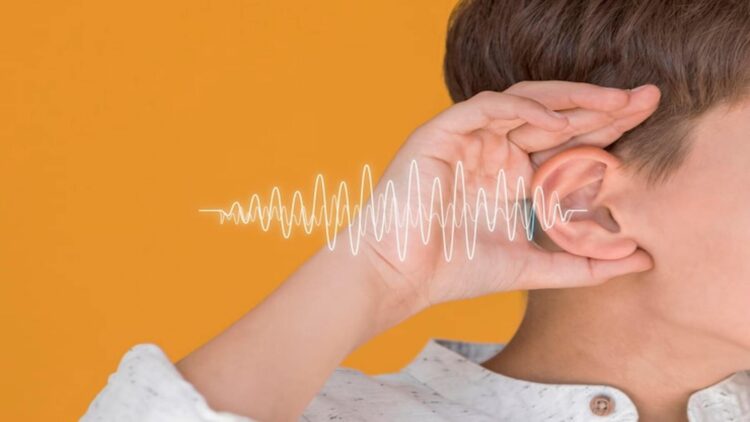
A recent study from the University of Washington has revealed that understanding conversations in noisy environments is more closely linked to cognitive processing than to auditory function. Published in the journal PLOS One, the research indicates that individuals with lower IQs may face greater challenges in deciphering speech amid background noise.
The study involved 49 participants divided into three groups: 12 individuals with autism, 10 individuals with fetal alcohol syndrome, and 27 neurotypical individuals. All participants demonstrated normal hearing abilities in standard tests, suggesting that their auditory systems were functioning adequately. The researchers employed a computer program to simulate a primary conversation while multiple voices spoke simultaneously, reflecting the so-called “cocktail party problem.” Participants were tasked with isolating and understanding specific details of the main voice amidst the clamor.
Upon analyzing the results, researchers discovered a clear correlation: participants with lower IQ scores struggled more with the task. Bonnie Lau, a researcher specializing in auditory neuroscience, noted, “The relationship between cognitive ability and speech-perception performance transcended diagnostic categories.” This finding was consistent across all three participant groups, indicating that cognitive ability plays a significant role in speech comprehension.
Understanding Cognitive Load in Noisy Environments
One of the study’s key insights is that difficulties in noisy settings do not solely arise from hearing impairments. Participants possessed normal auditory function, suggesting that cognitive processes significantly influence their ability to comprehend speech in challenging environments.
When in a bustling coffee shop, a busy classroom, or a noisy street, individuals’ brains must perform several complex tasks. They need to separate various sound sources, prioritize which voice to focus on, maintain concentration on that voice, interpret non-verbal cues, and formulate appropriate responses. This intricate process increases cognitive load, making understanding conversations in noisy environments particularly taxing.
Bonnie Lau explained, “All these factors increase the cognitive load of communicating when it is noisy.” She emphasized that listening in such conditions requires substantial mental effort to organize, filter, and respond to information.
Practical Implications of the Study
While the number of participants in this study was relatively small, the findings offer significant insights. They suggest that the challenges associated with understanding speech in noise may affect a broader population than previously recognized. For instance, students may struggle to hear their teachers in loud classrooms, individuals might lose track of conversations in crowded restaurants, and older adults could have difficulty following directions on busy streets.
Researchers recommend simple adjustments to improve communication in noisy settings. Strategies could include seating arrangements that place students closer to teachers or minimizing background noise when possible. Previous studies have linked these auditory challenges in noisy environments to other health issues, such as dementia.
Bonnie Lau encapsulated the essence of the research by stating, “You don’t have to have a hearing loss to have a hard time listening in a restaurant or any other challenging real-world situation.” This emphasizes the need for greater awareness and understanding of the cognitive demands placed on individuals in noisy environments.

Church Members Unite in Resilience After Thanksgiving Fire

Community Unites to Attempt World Record for Largest Cookie Exchange

Mayor Lurie Appoints Alan Wong to District 4 Seat Amid Controversy

Mayor Appoints Alan Wong as New Supervisor for District 4

UK Report Reveals AI’s Role in Evaluating University Research Quality

Gabriela Jaquez Shines as No. 3 UCLA Dominates No. 14 Tennessee

Trump Promises to Release MRI Results Despite Uncertainty on Scan

Japan’s Q3 Capital Expenditure Slows Despite Surge in Profits

South Korea Announces Urgent FX Oversight Measures to Stabilize Won

University of Hawaiʻi Joins $25.6M AI Initiative to Monitor Disasters

Toledo City League Announces Hall of Fame Inductees for 2024

DOJ Seizes $15 Billion in Bitcoin from Major Crypto Fraud Network

Sharp Launches Five New Aquos QLED 4K Ultra HD Smart TVs

Celtics Coach Joe Mazzulla Dominates Local Media in Scrimmage

Mutual Advisors LLC Increases Stake in SPDR Portfolio ETF

Community Unites for 7th Annual Walk to Raise Mental Health Awareness

Western Executives Confront Harsh Realities of China’s Manufacturing Edge

Major Networks Reject Pentagon’s New Reporting Guidelines
-
Science4 weeks ago
University of Hawaiʻi Joins $25.6M AI Initiative to Monitor Disasters
-
 Lifestyle2 months ago
Toledo City League Announces Hall of Fame Inductees for 2024
-
 Business2 months ago
DOJ Seizes $15 Billion in Bitcoin from Major Crypto Fraud Network
-
 Top Stories2 months ago
Sharp Launches Five New Aquos QLED 4K Ultra HD Smart TVs
-
 Sports2 months ago
Celtics Coach Joe Mazzulla Dominates Local Media in Scrimmage
-
 Politics2 months ago
Mutual Advisors LLC Increases Stake in SPDR Portfolio ETF
-
 Health2 months ago
Community Unites for 7th Annual Walk to Raise Mental Health Awareness
-
 Science2 months ago
Western Executives Confront Harsh Realities of China’s Manufacturing Edge
-
 Politics2 months ago
Major Networks Reject Pentagon’s New Reporting Guidelines
-

 World2 months ago
INK Entertainment Launches Exclusive Sofia Pop-Up at Virgin Hotels
-

 Science1 month ago
Astronomers Discover Twin Cosmic Rings Dwarfing Galaxies
-

 Top Stories1 month ago
Randi Mahomes Launches Game Day Clothing Line with Chiefs