
World
U.S. Military Tensions Rise as Venezuela Conflict Looms

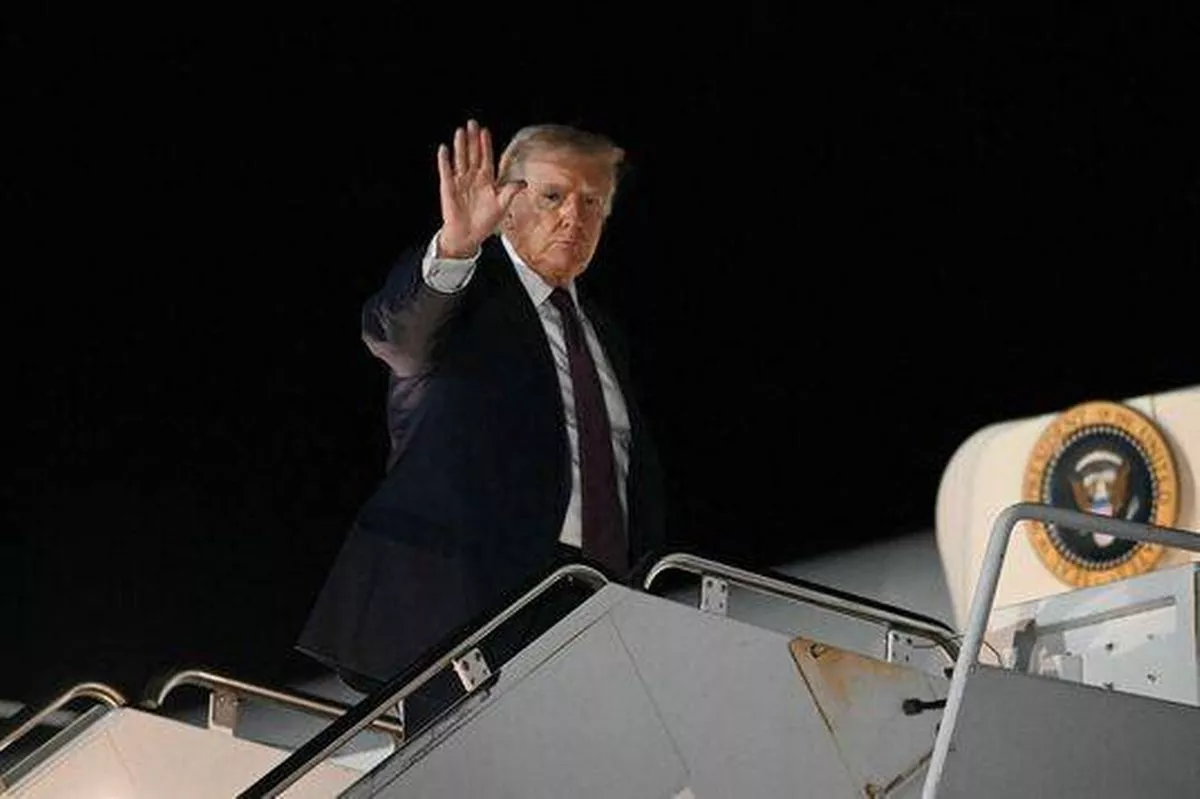
Concerns are escalating regarding the potential for U.S. military involvement in Venezuela amid growing tensions with Iran. On January 3, 2026, U.S. forces executed a dramatic military operation that resulted in the capture of Venezuelan President Nicolas Maduro. This event has intensified fears of a broader conflict as President Donald Trump hints at a possible war with the South American nation.
Trump recently expressed optimism about U.S.-Venezuelan relations, stating that cooperation is underway to modernize Venezuela’s oil and gas infrastructure. In a post on Truth Social, he claimed, “The U.S.A. and Venezuela are working well together, especially as it pertains to rebuilding, in a much bigger, better, and more modern form, their oil and gas infrastructure.” He noted that this collaboration has led him to cancel plans for a “second wave of attacks,” although he emphasized that military ships would remain in the region for security purposes.
Escalating Concerns Over Iran
While tensions with Venezuela seem to be cooling, anxieties regarding Iran are on the rise. The U.S. has previously intervened in response to attacks targeting Iranian nuclear sites, with Trump having declared an end to what he described as a “12-day war” last summer. Experts warn that a military engagement in Venezuela could strain U.S. military resources, significantly impacting the country’s ability to respond to potential conflicts with Iran, especially if such scenarios arise simultaneously.
According to Axios, the risk of a new conflict between the U.S. and Iran is heightened by the potential for miscalculations or misunderstandings. Iranian officials have indicated a preparedness for a more severe response than previous encounters, claiming they could launch up to 2,000 missiles in a single strike against Israel. Israeli officials have relayed their concerns to the Trump administration regarding recent Iranian missile exercises, fearing these could signal impending attacks.
Discussions between Trump and Israeli Prime Minister Benjamin Netanyahu in December reportedly revolved around strategies for countering a potential Iranian strike. As tensions mount, the absence of U.S. naval carriers in the region raises further alarms. Following Trump’s directive, the USS Gerald R. Ford, the U.S. Navy’s most advanced aircraft carrier, was relocated from the Mediterranean to South America in October.
Implications for U.S. Foreign Policy
Experts emphasize that if the situation in Venezuela escalates, the U.S. may lack the necessary resources to support Israel effectively. While Trump insists that the U.S. could end up managing Venezuela’s extensive oil industry for years, there remains uncertainty about the overall strategy regarding Middle Eastern conflicts.
Despite Trump’s claims of improved relations with Venezuela, significant questions linger about the future of U.S. foreign policy in both Venezuela and Iran. As military tensions rise in both regions, the international community watches closely, aware that another conflict could reshape geopolitical dynamics and resource allocation for the U.S. military in the years to come.

Navigating Family Dynamics: Finding Your Voice Amid Exclusion

Tensions Rise as Denmark and U.S. Discuss Greenland’s Future

New Study Redefines Dark Matter: From Cold to Hot Origins

Penguins Secure Victory, Reclaim First Place in Atlantic Division

Investigators Identify Faulty Part in UPS MD-11 Crash

Elon Musk Denies Grok AI Generated Explicit Images of Minors

Willow Smith Stuns in Daring Swimwear Look, Fans React Now!

South Korea Unveils Ramen Experiences for Tourists at Airports

Journalist Reveals ‘Sloppy’ ICE Hiring Experience in Urgent Interview

University of Hawaiʻi Joins $25.6M AI Initiative to Monitor Disasters

Interstellar Object 3I/ATLAS Emits Unprecedented Metal Alloy

Toledo City League Announces Hall of Fame Inductees for 2024

DOJ Seizes $15 Billion in Bitcoin from Major Crypto Fraud Network

Western Executives Confront Harsh Realities of China’s Manufacturing Edge

Sharp Launches Five New Aquos QLED 4K Ultra HD Smart TVs

Mutual Advisors LLC Increases Stake in SPDR Portfolio ETF

Celtics Coach Joe Mazzulla Dominates Local Media in Scrimmage

Community Unites for 7th Annual Walk to Raise Mental Health Awareness
-
Science2 months ago
University of Hawaiʻi Joins $25.6M AI Initiative to Monitor Disasters
-
 Science3 months ago
Interstellar Object 3I/ATLAS Emits Unprecedented Metal Alloy
-
 Lifestyle3 months ago
Toledo City League Announces Hall of Fame Inductees for 2024
-
 Business3 months ago
DOJ Seizes $15 Billion in Bitcoin from Major Crypto Fraud Network
-
 Science3 months ago
Western Executives Confront Harsh Realities of China’s Manufacturing Edge
-
 Top Stories3 months ago
Sharp Launches Five New Aquos QLED 4K Ultra HD Smart TVs
-
 Politics3 months ago
Mutual Advisors LLC Increases Stake in SPDR Portfolio ETF
-
 Sports3 months ago
Celtics Coach Joe Mazzulla Dominates Local Media in Scrimmage
-
 Health3 months ago
Community Unites for 7th Annual Walk to Raise Mental Health Awareness
-
 Politics3 months ago
Major Networks Reject Pentagon’s New Reporting Guidelines
-

 World3 months ago
INK Entertainment Launches Exclusive Sofia Pop-Up at Virgin Hotels
-

 Top Stories3 months ago
Microsoft Releases Urgent Windows 11 25H2 Update for All Users