
World
Understanding the Need for Safe Spaces Amid Ongoing Racism

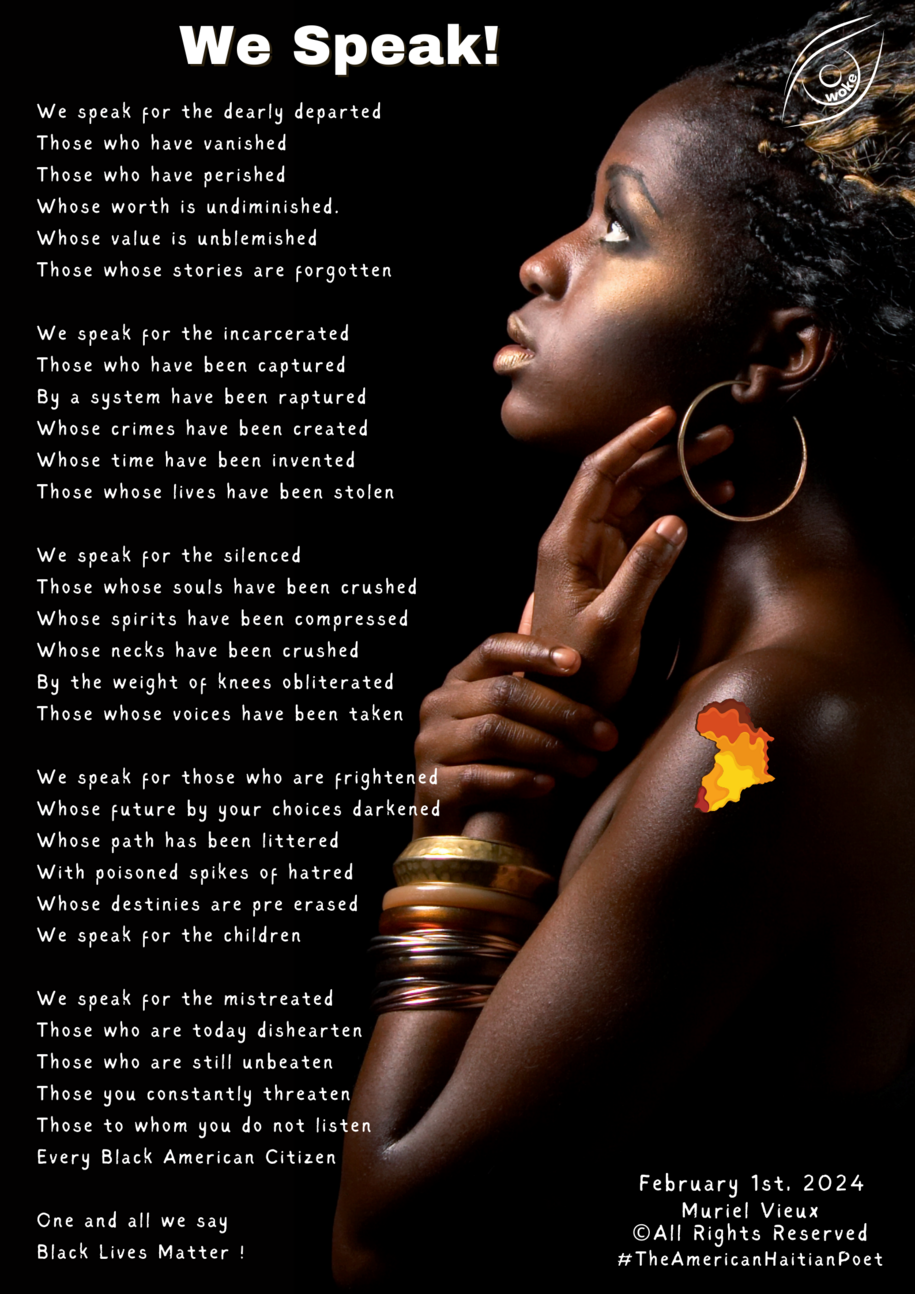
Discussions surrounding racism remain prevalent as individuals within Black communities seek safe spaces, both in physical and virtual realms. The motivations for these spaces often lead to misunderstandings among those outside the community. Critics may perceive this as exclusionary; however, the underlying reasons are rooted in a complex history of trauma and systemic oppression.
Experiences of racism in the United States can be likened to living with an abusive partner, where unpredictability and fear shape daily life. The weight of this reality becomes particularly evident when children are involved. Parents often feel compelled to prepare their children for potential encounters with law enforcement, a conversation colloquially known as “the talk.” This dialogue aims to equip young Black children with survival strategies, such as avoiding certain behaviors when interacting with police officers.
Many individuals, especially those outside the Black community, may underestimate the emotional toll associated with these necessary discussions. The implication that such conversations are merely an inconvenience overlooks the deep-seated fear and anxiety that Black families navigate. As one parent explained, teaching children about their interactions with police is not just about safety; it reflects a painful acknowledgment of systemic racism.
Confronting the Myths of Racism
The narrative surrounding racism is often distorted by misconceptions. Some individuals assert that discussions about race create discomfort among white children, failing to recognize that discomfort pales in comparison to the realities faced by Black children. Explaining to a child why they should not touch items in a store, or why they may be perceived as suspicious, requires a nuanced understanding that goes beyond simplistic slogans like “stranger danger.”
The disparity in societal treatment is evident in various aspects of life. For instance, the Second Amendment is often interpreted differently based on race. A firearm in the hands of a white person may be seen as an exercise of rights, while the same object in the hands of a Black person is viewed as a threat. This double standard extends to numerous facets of existence, including perceptions of innocence, self-defense, and the recognition of pain.
The ongoing dialogue about racism is often met with resistance. Some argue that discussing these issues perpetuates them, suggesting that racism ceased to exist after the 1980s. This perspective neglects the lived experiences of countless individuals who continue to face systemic inequalities daily.
The Impact of Systemic Racism
The consequences of systemic racism manifest in various forms. Underfunded schools and neighborhoods predominantly occupied by Black residents face significant disparities compared to their white counterparts. Property values for Black-owned homes often decrease once owners are identified, further entrenching economic inequalities.
Moreover, the societal response to crime reveals stark disparities. A white individual may be granted the benefit of the doubt, while a Black individual is often presumed guilty until proven innocent. These biases contribute to a culture where the struggles of Black communities are frequently overlooked or dismissed.
Calls for understanding and empathy are paramount in addressing these issues. Many within the Black community express frustration over the lack of reciprocal concern for their experiences. The expectation is not merely for acknowledgment of their struggles but for a genuine commitment to dismantling the systemic barriers that perpetuate inequality.
As discussions about race continue, the need for safe spaces remains critical. These environments allow for healing, cultural expression, and community building. The persistence of racism necessitates ongoing dialogue and action to foster understanding and change.
In a broader context, addressing these inequalities is essential for creating a more equitable society. It is crucial for individuals from all backgrounds to engage in these conversations, acknowledging the complexities of race and its impact on everyday life. Only through collective effort can society hope to overcome the legacy of racism and foster a future where all individuals are valued equally.

Navigating Family Dynamics: Finding Your Voice Amid Exclusion

Tensions Rise as Denmark and U.S. Discuss Greenland’s Future

New Study Redefines Dark Matter: From Cold to Hot Origins

Penguins Secure Victory, Reclaim First Place in Atlantic Division

Investigators Identify Faulty Part in UPS MD-11 Crash

Elon Musk Denies Grok AI Generated Explicit Images of Minors

Willow Smith Stuns in Daring Swimwear Look, Fans React Now!

South Korea Unveils Ramen Experiences for Tourists at Airports

Journalist Reveals ‘Sloppy’ ICE Hiring Experience in Urgent Interview

University of Hawaiʻi Joins $25.6M AI Initiative to Monitor Disasters

Interstellar Object 3I/ATLAS Emits Unprecedented Metal Alloy

Toledo City League Announces Hall of Fame Inductees for 2024

DOJ Seizes $15 Billion in Bitcoin from Major Crypto Fraud Network

Western Executives Confront Harsh Realities of China’s Manufacturing Edge

Mutual Advisors LLC Increases Stake in SPDR Portfolio ETF

Sharp Launches Five New Aquos QLED 4K Ultra HD Smart TVs

Celtics Coach Joe Mazzulla Dominates Local Media in Scrimmage

Community Unites for 7th Annual Walk to Raise Mental Health Awareness
-
Science2 months ago
University of Hawaiʻi Joins $25.6M AI Initiative to Monitor Disasters
-
 Science3 months ago
Interstellar Object 3I/ATLAS Emits Unprecedented Metal Alloy
-
 Lifestyle3 months ago
Toledo City League Announces Hall of Fame Inductees for 2024
-
 Business3 months ago
DOJ Seizes $15 Billion in Bitcoin from Major Crypto Fraud Network
-
 Science3 months ago
Western Executives Confront Harsh Realities of China’s Manufacturing Edge
-
 Politics3 months ago
Mutual Advisors LLC Increases Stake in SPDR Portfolio ETF
-
 Top Stories3 months ago
Sharp Launches Five New Aquos QLED 4K Ultra HD Smart TVs
-
 Sports3 months ago
Celtics Coach Joe Mazzulla Dominates Local Media in Scrimmage
-
 Health3 months ago
Community Unites for 7th Annual Walk to Raise Mental Health Awareness
-

 Politics3 months ago
Major Networks Reject Pentagon’s New Reporting Guidelines
-

 World3 months ago
INK Entertainment Launches Exclusive Sofia Pop-Up at Virgin Hotels
-

 Top Stories3 months ago
Microsoft Releases Urgent Windows 11 25H2 Update for All Users