
World
US Airlines Cut Over 1,000 Flights Amid Government Shutdown

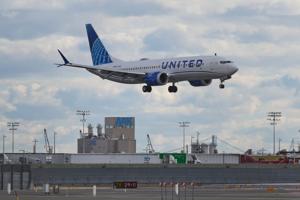
Travelers across the United States faced significant disruptions as airlines canceled more than 1,000 flights on March 15, 2024, due to a government shutdown. While many airlines managed to maintain a semblance of normalcy in their schedules, anxiety remained high among passengers as further cancellations are anticipated in the coming days. The Federal Aviation Administration (FAA) has mandated reductions in service at various busy airports to alleviate pressure on air traffic controllers who are working without pay.
Despite the cancellations representing only a small fraction of flights nationwide, travelers endured long security lines and unexpected changes. Major airports, including those in Atlanta, Dallas, Denver, and Charlotte, were part of the targeted slowdown, leading to significant delays and inconvenience for passengers.
Passenger Experiences and Airline Responses
Reports from airports indicated that the situation was chaotic. At Houston’s George Bush Intercontinental Airport, some travelers reported waiting in security lines that barely moved, leading to frustration. “It was snaking around all different parts of the regular area,” said Cara Bergeron, who flew from Houston to Atlanta.
Others had to make last-minute adjustments. Karen Soika, a surgeon from Greenwich, Connecticut, faced a rebooking dilemma when her flight was shifted to New York’s John F. Kennedy International Airport, requiring her to arrange alternative transport to her destination in Utah. She ultimately opted for a U-Haul truck, a decision she described as reminiscent of a movie plot.
On the operational front, airlines like United and American Airlines quickly implemented rebooking strategies. According to Josh Freed, a spokesperson for United, over half of the affected passengers were expected to reach their destinations within four hours of their original schedules. United focused on cutting smaller regional routes, minimizing the overall impact on travelers.
The FAA indicated that the flight reductions would start at 4% at the busiest airports, with potential increases to 10% if conditions do not improve. Airlines, including Delta Air Lines, canceled approximately 170 flights on the day, while American planned to cut around 220 flights daily through the following Monday.
Broader Implications of the Shutdown
The ramifications of the government shutdown extend beyond just canceled flights. Nearly half of all U.S. air freight is transported in passenger aircraft, meaning that disruptions could lead to higher shipping costs for businesses. Patrick Penfield, a professor of supply chain practice at Syracuse University, noted, “Air travel is part of the infrastructure backbone of the American economy.”
As the shutdown continues, Transportation Secretary Sean Duffy emphasized the urgent need for resolution. He stated that the FAA’s flight cuts were a necessary measure to ensure safety amid increasing absenteeism among air traffic controllers. Many controllers have been working long hours without pay, leading to heightened stress and fatigue.
Denver International Airport has taken proactive measures, including establishing a food pantry for federal employees affected by the shutdown. The airport also requested permission to use revenue to cover controllers’ wages, highlighting the impact of the staffing crisis.
Travelers are advised to remain vigilant and flexible. The Department of Transportation mandates that airlines must refund customers for canceled flights but are not required to cover expenses related to food and accommodations unless the disruption is within the airlines’ control.
As the situation evolves, travel advisors are encouraging passengers to explore alternative options and prepare backup plans. Christina Schlegel, a travel adviser from Arlington, Virginia, recommended that travelers stay informed about their flight statuses and consider researching other potential flights in advance.
With the uncertainty surrounding the shutdown and its impact on air travel, both airlines and passengers face a period of adjustment, navigating challenges that could affect holiday travel plans and beyond.

Hallmark’s ‘Christmas at the Catnip Café’ Premieres Tonight!

Millville Woman Arrested for Threatening U-Haul Worker with Baton

Japan’s PM Takaichi Confirms Continued Fiscal Management Strategy

Bitcoin Plummets Below $88K Amid Tether Concerns and Warnings

Designers Unveil 5 Urgent Tricks to Transform Outdoor Eyesores

Shark Teeth Research Reveals Urgent Need to Protect Species

Church Members Unite in Resilience After Thanksgiving Fire

Community Unites to Attempt World Record for Largest Cookie Exchange

Mayor Lurie Appoints Alan Wong to District 4 Seat Amid Controversy

University of Hawaiʻi Joins $25.6M AI Initiative to Monitor Disasters

Toledo City League Announces Hall of Fame Inductees for 2024

DOJ Seizes $15 Billion in Bitcoin from Major Crypto Fraud Network

Sharp Launches Five New Aquos QLED 4K Ultra HD Smart TVs

Celtics Coach Joe Mazzulla Dominates Local Media in Scrimmage

Mutual Advisors LLC Increases Stake in SPDR Portfolio ETF

Community Unites for 7th Annual Walk to Raise Mental Health Awareness

Western Executives Confront Harsh Realities of China’s Manufacturing Edge

INK Entertainment Launches Exclusive Sofia Pop-Up at Virgin Hotels
-
Science4 weeks ago
University of Hawaiʻi Joins $25.6M AI Initiative to Monitor Disasters
-
 Lifestyle2 months ago
Toledo City League Announces Hall of Fame Inductees for 2024
-
 Business2 months ago
DOJ Seizes $15 Billion in Bitcoin from Major Crypto Fraud Network
-
 Top Stories2 months ago
Sharp Launches Five New Aquos QLED 4K Ultra HD Smart TVs
-
 Sports2 months ago
Celtics Coach Joe Mazzulla Dominates Local Media in Scrimmage
-
 Politics2 months ago
Mutual Advisors LLC Increases Stake in SPDR Portfolio ETF
-
 Health2 months ago
Community Unites for 7th Annual Walk to Raise Mental Health Awareness
-
 Science2 months ago
Western Executives Confront Harsh Realities of China’s Manufacturing Edge
-
 World2 months ago
INK Entertainment Launches Exclusive Sofia Pop-Up at Virgin Hotels
-

 Politics2 months ago
Major Networks Reject Pentagon’s New Reporting Guidelines
-

 Science1 month ago
Astronomers Discover Twin Cosmic Rings Dwarfing Galaxies
-

 Top Stories1 month ago
Randi Mahomes Launches Game Day Clothing Line with Chiefs