
World
Zhang Lu Explores Disconnectedness in New Film ‘Mothertongue’

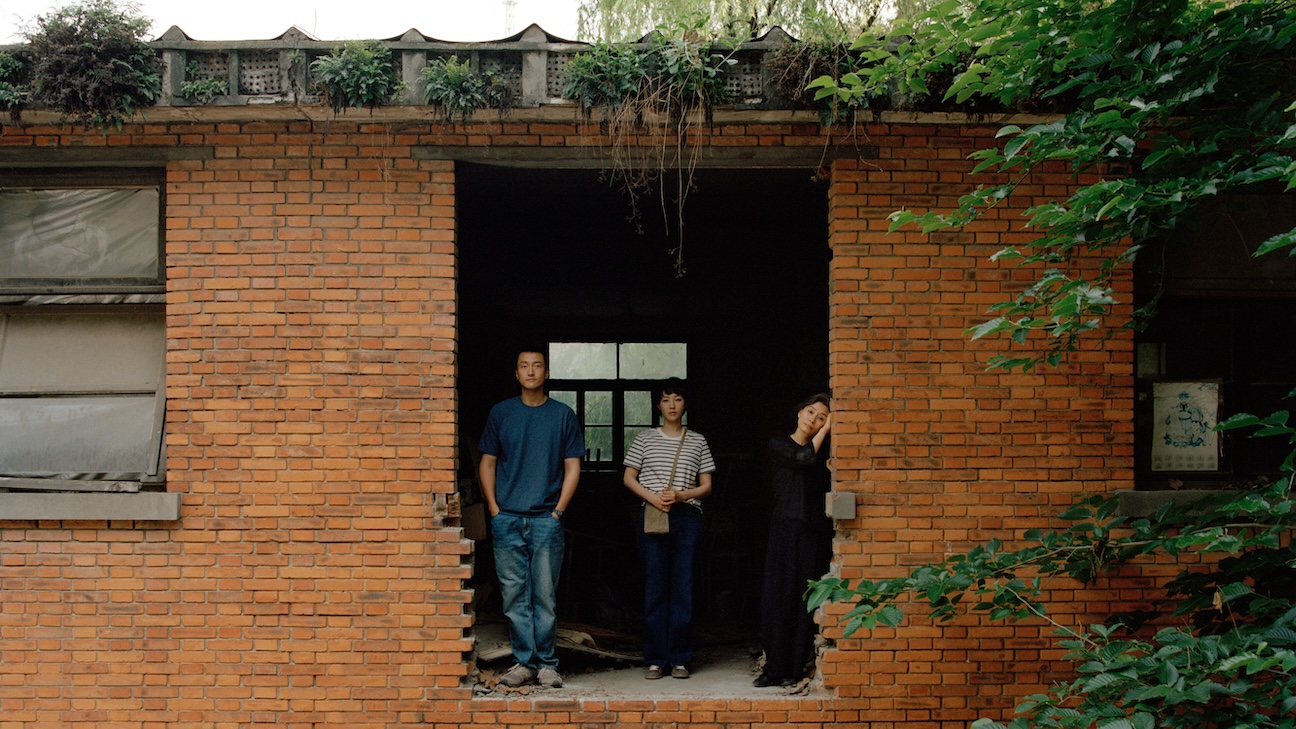
Korean-Chinese director Zhang Lu premiered his new film, Mothertongue, at the Tokyo International Film Festival, following his recent success at the Busan International Film Festival, where he received the inaugural best film award for Gloaming in Luomo in October. The two films, shot consecutively in locations just hours apart, share themes, lead actors, and even some costumes, showcasing Zhang’s artistic vision and interconnected storytelling.
In Mothertongue, the narrative centers on Haruki, portrayed by Bai Baihe, a struggling actress who returns to her hometown after a decade in Beijing. Her inability to communicate fluently in her native dialect heightens her feelings of alienation and loneliness. As she reconnects with her old drama teacher, played by Liu Dan, and receives support from her teacher’s son, Wang Chuanjun, Haruki’s journey unfolds, exploring themes of disconnection and belonging.
During a conversation with The Hollywood Reporter via Zoom, Zhang reflected on the significance of his recent accolade. He stated, “Winning an award is, of course, something to be happy about but not something to take too seriously. Getting an award doesn’t mean I’m better than others, and not winning doesn’t mean I’m worse than others — it’s mostly luck.”
Zhang’s entry into film directing came about through an unusual bet, challenging the notion that anyone could make a film. He acknowledged that while the bet acted as a catalyst, his passion for sound and images had been present since childhood. “That bet simply gave me a push to discover that possibility,” he noted.
Having transitioned from literature to film, Zhang expressed how his background as a writer influences his cinematic work. “Writing and filmmaking share the same foundation: emotion. When I write, I face emotion; when I make films, I face emotion too,” he explained. This emotional depth is evident in both Mothertongue and Gloaming in Luomo, where themes of migration, rootlessness, and the experience of being an outsider emerge naturally.
Zhang’s personal history as a Korean-Chinese individual and his experiences of moving to South Korea inform these recurring themes. “I’m descended from immigrants: my grandparents moved from Korea to China. Even within China, I was always on the move,” he shared. This sense of constant motion shapes his artistic approach, suggesting it is not a deliberate choice but rather a reflection of his life’s journey.
The importance of place is paramount in Zhang’s work. He emphasized that none of his films began with a story or character; rather, they originate from a space that captivates him. “When a place allows me to sense that passage of time and human life — when I can grasp the marks left by both — that’s usually where I start to make a film,” he explained.
Regarding the specific locations of Luomo and Mount Emei, Zhang described how a visit to Luomo after finishing Mothertongue inspired him. He felt a strong connection to the town’s ancient history and atmosphere, which led him to reach out to his lead actors to explore the possibility of creating another film. “I told them: ‘I don’t know what the story is yet, but I really want to make another film here right away,’” he recounted.
The collaborative nature of his filmmaking process stands out, as Zhang favors a loose approach to scripting. “Mothertongue was just a few pages of treatment, and Luomu just one page,” he explained. This open-ended method allows actors to bring their own energy and intuition to the project, creating a more organic interaction between characters. “When there’s deep mutual trust, the film can breathe,” he said, highlighting the importance of fostering a family-like atmosphere on set.
Zhang maintains a critical perspective on conventional storytelling, believing that rigid narratives can stifle the genuine emotions that arise in spontaneous interactions. “I’ve always been skeptical of perfectly complete narratives. Only within the small, specific interactions between people can you glimpse a person’s genuine rhythm and true emotions,” he stated. However, he humorously left the door open for a potential shift in his approach, acknowledging that a perfectly structured film might one day be within his reach, should the conditions be right.
As Mothertongue continues to resonate with audiences, Zhang Lu’s exploration of disconnectedness and emotional depth remains a testament to his unique perspective as a filmmaker, bridging his experiences from literature to cinema.

Urgent Events This Week: Gasparilla Tennis Classic & Bo Jackson Speaks

Harmony Korine Launches ‘Katch’ Webtoon Through EDGLRD Studio

Top 10 Blue Chip Stocks to Watch in 2026 for Investors

Kay Flock Seeks Appeal Against 30-Year Sentence for Serious Convictions

New Study Links Immunotherapy to Improved Alcohol Addiction Treatment

Marcello Hernández Celebrates His Mother in Netflix Special

Colorado Lawmakers Target Health Care, Housing, and Workforce in 2026

Brooks Nader Stuns Fans with Eye-Catching Swimsuit Selfie

Beatles Autographs and Guitar String Expected to Fetch Thousands

University of Hawaiʻi Joins $25.6M AI Initiative to Monitor Disasters

Interstellar Object 3I/ATLAS Emits Unprecedented Metal Alloy

Toledo City League Announces Hall of Fame Inductees for 2024

DOJ Seizes $15 Billion in Bitcoin from Major Crypto Fraud Network

Western Executives Confront Harsh Realities of China’s Manufacturing Edge

Mutual Advisors LLC Increases Stake in SPDR Portfolio ETF

Sharp Launches Five New Aquos QLED 4K Ultra HD Smart TVs

Community Unites for 7th Annual Walk to Raise Mental Health Awareness

Celtics Coach Joe Mazzulla Dominates Local Media in Scrimmage
-
Science2 months ago
University of Hawaiʻi Joins $25.6M AI Initiative to Monitor Disasters
-
 Science3 months ago
Interstellar Object 3I/ATLAS Emits Unprecedented Metal Alloy
-
 Lifestyle3 months ago
Toledo City League Announces Hall of Fame Inductees for 2024
-
 Business3 months ago
DOJ Seizes $15 Billion in Bitcoin from Major Crypto Fraud Network
-
 Science3 months ago
Western Executives Confront Harsh Realities of China’s Manufacturing Edge
-
 Politics3 months ago
Mutual Advisors LLC Increases Stake in SPDR Portfolio ETF
-
 Top Stories3 months ago
Sharp Launches Five New Aquos QLED 4K Ultra HD Smart TVs
-
 Health3 months ago
Community Unites for 7th Annual Walk to Raise Mental Health Awareness
-
 Sports3 months ago
Celtics Coach Joe Mazzulla Dominates Local Media in Scrimmage
-

 Politics3 months ago
Major Networks Reject Pentagon’s New Reporting Guidelines
-

 World3 months ago
INK Entertainment Launches Exclusive Sofia Pop-Up at Virgin Hotels
-

 Top Stories3 months ago
Microsoft Releases Urgent Windows 11 25H2 Update for All Users